
Posted by Dawn Griffin
Forest Park St. Louis: 10 Surprising Facts to Celebrate 150 Years
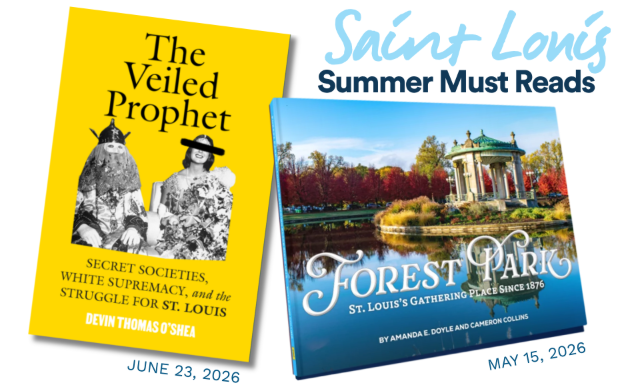
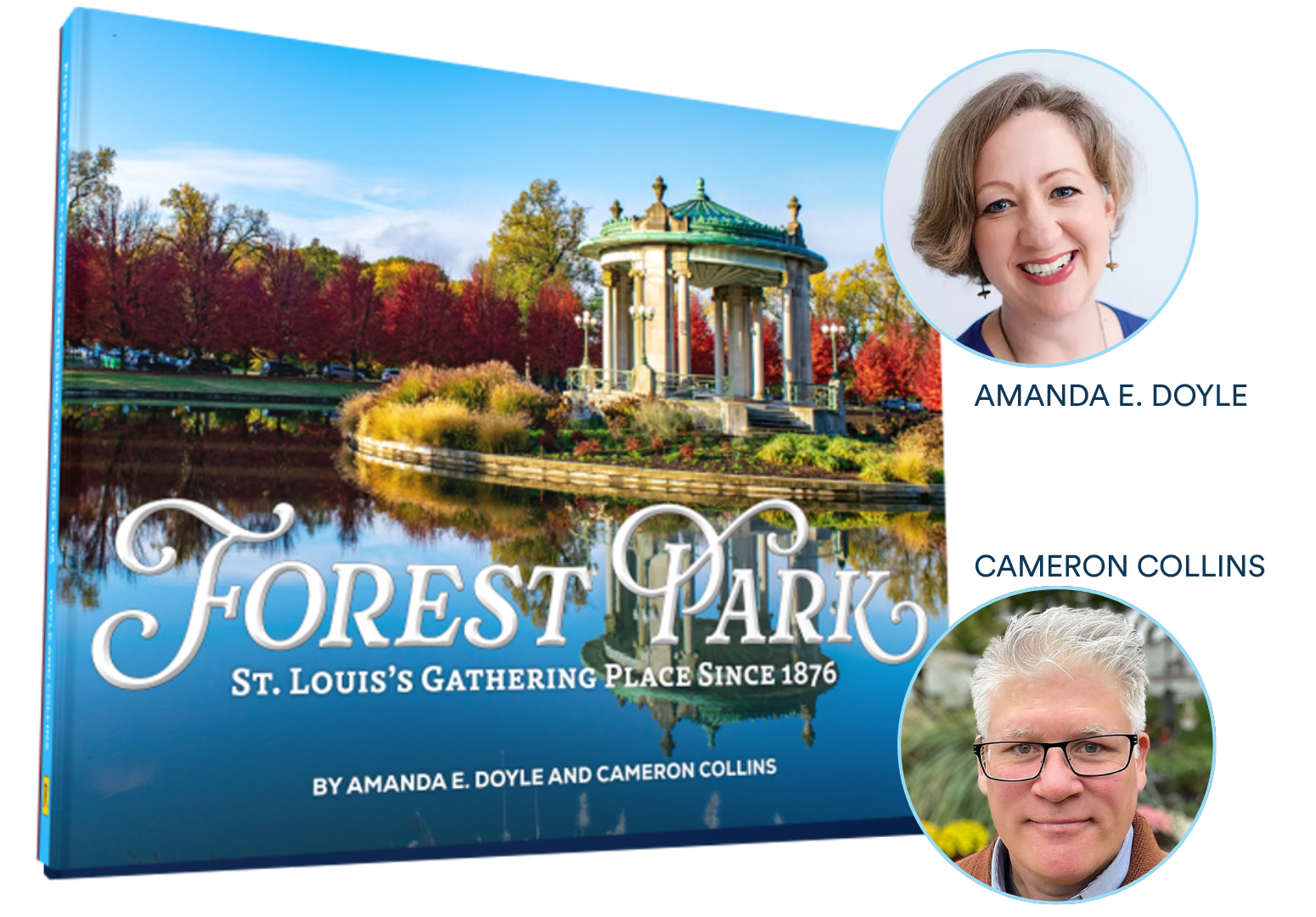
Forest Park history stretches back 150 years, to a single summer day in 1876 when an estimated 50,000 people gathered in St. Louis to celebrate the opening of what would become one of the country’s great urban parks. This year, that milestone anniversary is being marked with a brand-new book — Forest Park: St. Louis’s Gathering Place Since 1876 by Amanda E. Doyle and Cameron Collins, out June 15th from Reedy Press — and it’s the perfect excuse to revisit some of the park’s most surprising stories.
Whether you’ve lived near Forest Park your whole life or are just getting to know it, here are ten facts that even longtime St. Louisans might not know, plus a look at the national honors the park has earned along the way.
A New Book Celebrates Forest Park’s 150th Anniversary
Local authors Amanda E. Doyle and Cameron Collins have spent years researching Forest Park’s past for their new Reedy Press title, a 176-page hardcover that traces the park’s evolution from its 1876 dedication to today. Doyle, a south St. Louis city resident and author of a dozen previous St. Louis books, and Collins, creator of the Distilled History blog and author of several St. Louis history titles, bring a deep well of local knowledge to the project. The book arrives as the park celebrates its sesquicentennial — 150 years as what its founders called a place where “the rich and poor, the merchant and mechanic” could gather “without stint or hindrance.”
10 Little-Known Facts About Forest Park’s History
1. The Park Almost Never Happened
An 1864 proposal for a large city park was rejected outright by St. Louis voters. It took another decade, and a renewed push by developer Hiram Leffingwell and other civic leaders, before the Missouri Legislature passed the Forest Park Act in 1874, finally setting the park in motion.
2. Forest Park Is Bigger Than Central Park
At roughly 1,300 to 1,371 acres, Forest Park is significantly larger than New York’s Central Park. The NYC landmark only covers about 843 acres. Forest Park is one of the largest urban parks in the entire country.
3. Those “Ancient” Ruins Are Actually Hotel Salvage
The picturesque stone ruins near the park’s lagoon look like remnants of an old fortress or estate. However, builders actually salvaged them from the Lindell Hotel, a downtown St. Louis landmark that burned down in 1867.
4. The Park Sits on a Coal Deposit
When city leaders chose the site for Forest Park, the land reportedly sat atop potentially valuable coal deposits. Rather than mining the land, the city set it aside for public green space. That decision shaped the next century and a half of St. Louis history.
5. The Cabanne House Predates the Park by Decades
One of the park’s oldest structures, built in 1875-76, is the Cabanne House. It was a residence for the park keeper. But its name traces back to an earlier farmhouse built in 1819 by Jean Pierre Cabanné. He was , a French Creole fur trader whose family farmed the land long before it became parkland.
6. Only One Building Remains from the 1904 World’s Fair
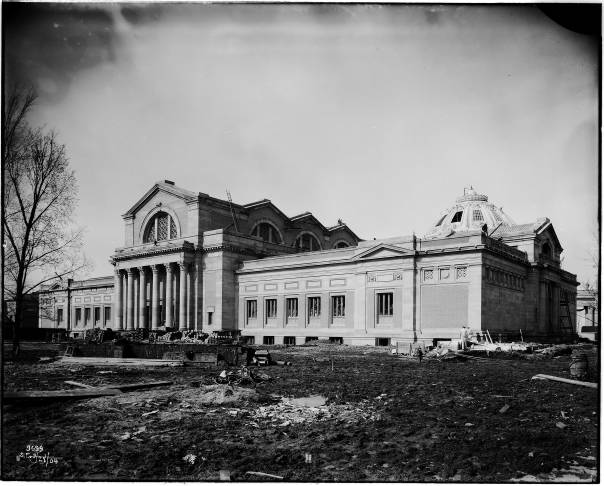
Forest Park hosted the 1904 Louisiana Purchase Exposition — the World’s Fair — which drew more than 20 million visitors. Today, the Saint Louis Art Museum building is the only permanent structure that still stands from that massive fair; it was originally built as the Palace of Fine Arts.
7. A 16-Ton Statue of Thomas Jefferson Lives in the Park
Inside the Missouri History Museum sits a 16-ton bronze statue of Thomas Jefferson, created by sculptor Karl Bitter for the 1904 World’s Fair and still on display more than a century later.
8. The Park Nearly Fell Into Ruin
By the 1980s, decades of underfunding had left Forest Park in serious disrepair. That crisis led to the founding of Forest Park Forever in 1986. This nonprofit conservancy has since partnered with the city on a more than $100 million restoration effort.
9. The River des Peres Runs Through It
Part of what made the site appealing in the 1870s was its natural variety. It had prairie to the north and east, forest to the south and west, and the River des Peres running through the middle. That mix of landscapes still shapes the park’s ecosystems today, including ongoing prairie and wetland restoration projects.
10. The Park Hosted Olympic Events
In addition to the World’s Fair, Forest Park served as a venue for the 1904 Summer Olympics, the first Olympic Games ever held in the United States.
Awards and National Recognition
Forest Park’s history of careful stewardship has earned it some serious bragging rights — especially this anniversary year:
- In April 2026, USA Today’s 10Best Readers’ Choice Awards named Forest Park the #1 city park in the United States. This marked its third No. 1 finish in the last five years, arriving right alongside the park’s 150th anniversary.
- The park also took the top spot in 2016, and placed #2 nationally in 2021, part of a long run of national recognition.
- Variety Wonderland Playground is the fully accessible playground near the Dennis & Judith Jones Visitor and Education Center. The playground has also ranked among the best public playgrounds in the country in recent USA Today voting.
Why Forest Park’s History Still Matters Today
Understanding Forest Park’s history isn’t just a matter of trivia — it’s a reminder of how much intentional civic investment shaped the St. Louis we know today. From a rejected ballot measure to a World’s Fair to a near-collapse and remarkable comeback, the park’s story mirrors the city’s own. As Forest Park marks 150 years, the new book from Doyle and Collins offers a chance to dig deeper into that story, and the park itself remains exactly what its founders envisioned: a place for everyone, free of charge, “without stint or hindrance.”
Frequently Asked Questions
When did Forest Park open? Forest Park officially opened to the public on June 24, 1876, with an estimated crowd of 50,000 people in attendance.
Who wrote the new book about Forest Park’s history? Forest Park: St. Louis’s Gathering Place Since 1876 was written by St. Louis authors Amanda E. Doyle and Cameron Collins, and published by Reedy Press.
Is Forest Park bigger than Central Park? Yes. Forest Park covers roughly 1,300 to 1,371 acres, making it significantly larger than New York’s Central Park, which is about 843 acres.
What World’s Fair was held in Forest Park? Forest Park hosted the 1904 Louisiana Purchase Exposition, commonly known as the St. Louis World’s Fair, which drew more than 20 million visitors and also served as the site of the 1904 Summer Olympics.
What is Forest Park Forever? Forest Park Forever is a nonprofit conservancy founded in 1986 to help restore and maintain Forest Park after decades of decline. It partners with the City of St. Louis on ongoing improvements, including a restoration effort that has exceeded $100 million.
Has Forest Park won any national awards? Yes. Forest Park has been named the #1 city park in the U.S. by USA Today’s 10Best Readers’ Choice Awards on multiple occasions, and ranked #2 nationally in 2021.