Andrea Durway August 4, 2025
August isn’t just the dog days of summer—it’s National Water Quality Month, a time to recognize the essential role clean water plays in our health, homes, and communities. Established in 2005 through a partnership between the Environmental Protection Agency and the UN, this month shines a spotlight on the importance of freshwater protection—and what we can all do to keep it safe.
For St. Louis homeowners, water quality isn’t just about what comes out of the tap—it affects your appliances, your pipes, your lawn, and your peace of mind. Here’s how to take advantage of National Water Quality Month to learn more about your home’s water and protect it for the long term.
We tend to take clean water for granted—until there’s a boil advisory or a strange taste in the tap. But water quality plays a vital role in everyday life, from drinking and cooking to bathing, laundry, and landscaping. Here’s why it matters:
This national awareness campaign started to bring attention to the ways our water systems are under threat—from outdated infrastructure and agricultural runoff to global climate change. Some national statistics to keep in mind:
The City Water Division sources water from both the Missouri and Mississippi Rivers, which is treated and rigorously tested. According to the 2024 Consumer Confidence Report, the city met or exceeded all state and federal drinking water standards—no violations were found. They test for over 150 possible contaminants and report that your tap water is safe to drink.
Missouri American Water serves many municipalities in the county and released its 2024 water quality report in April 2025. All water quality measurements came in well below the limits set by the EPA, with zero violations reported.
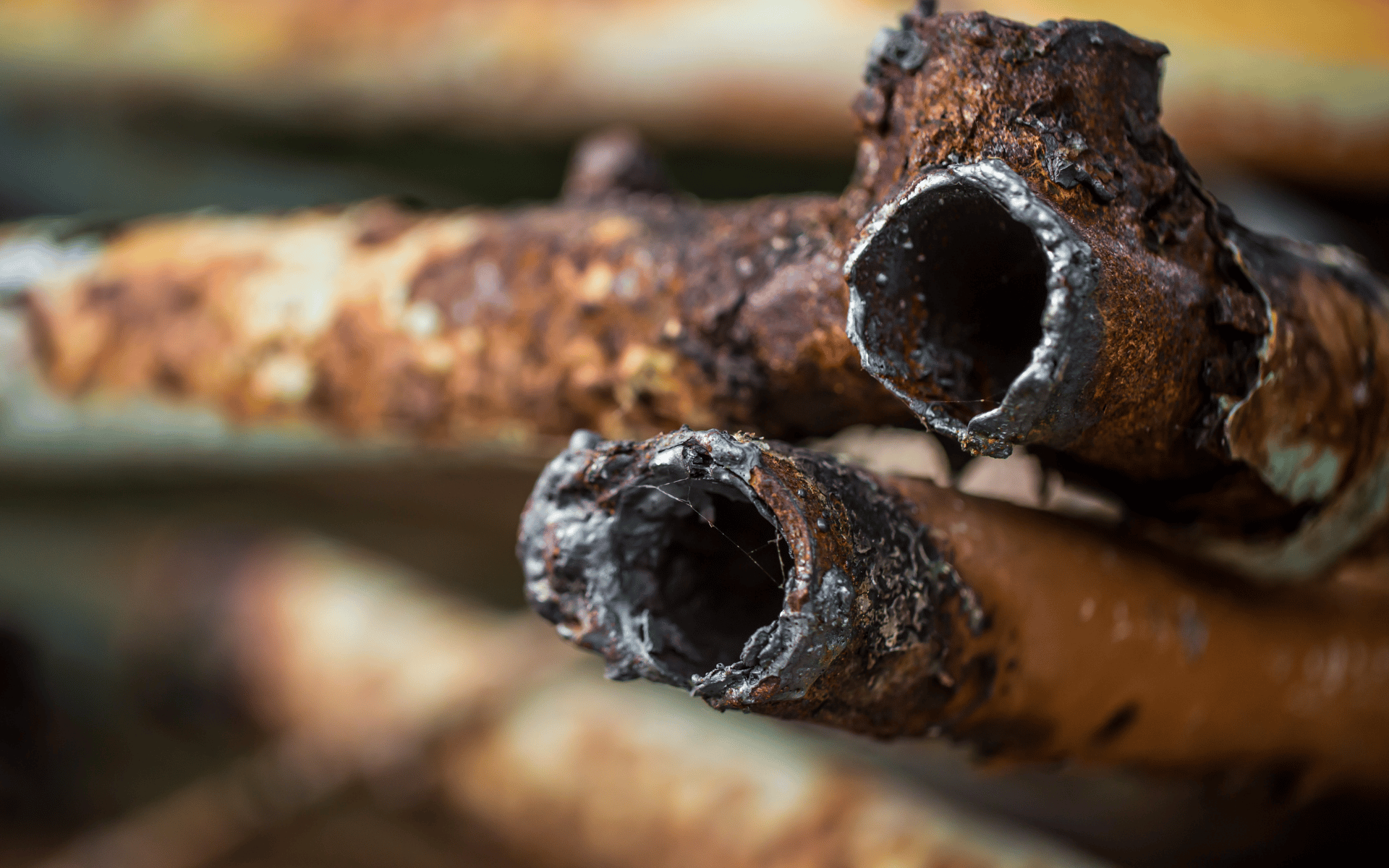
While we’re lucky to have well-regulated systems in place, older pipes and plumbing in individual homes can still pose risks—especially in homes built before 1986, when lead service lines were still allowed.
St. Louis City records indicate roughly 113,000 service lines—about 9,000 classified as lead, 46,000 non-lead, and 58,000 still unknown.
Federal and state governments acknowledge the widespread presence of lead pipes throughout the country. According to NRDC (the Natural Resources Defense Council), St. Louis City has approximately 63,000 lines and ranks 7th out of the top 30. In November of 2024, surveys were sent to all city residents in an effort to clarify material type. St. Louis City records indicate roughly 113,000 service lines—about 9,000 classified as lead, 46,000 non-lead, and 58,000 still unknown.
Federal grants are being pursued that would help alleviate costs of pipe replacement. Meanwhile, the city is developing a zero-interest loan program for homeowners who opt to replace voluntarily. Specific eligibility criteria and application details are still being finalized. Ultimately, all service lines—from the water main to your home’s plumbing—are the property owner’s responsibility, not the city’s. That means the cost and physical replacement fall on the homeowner.
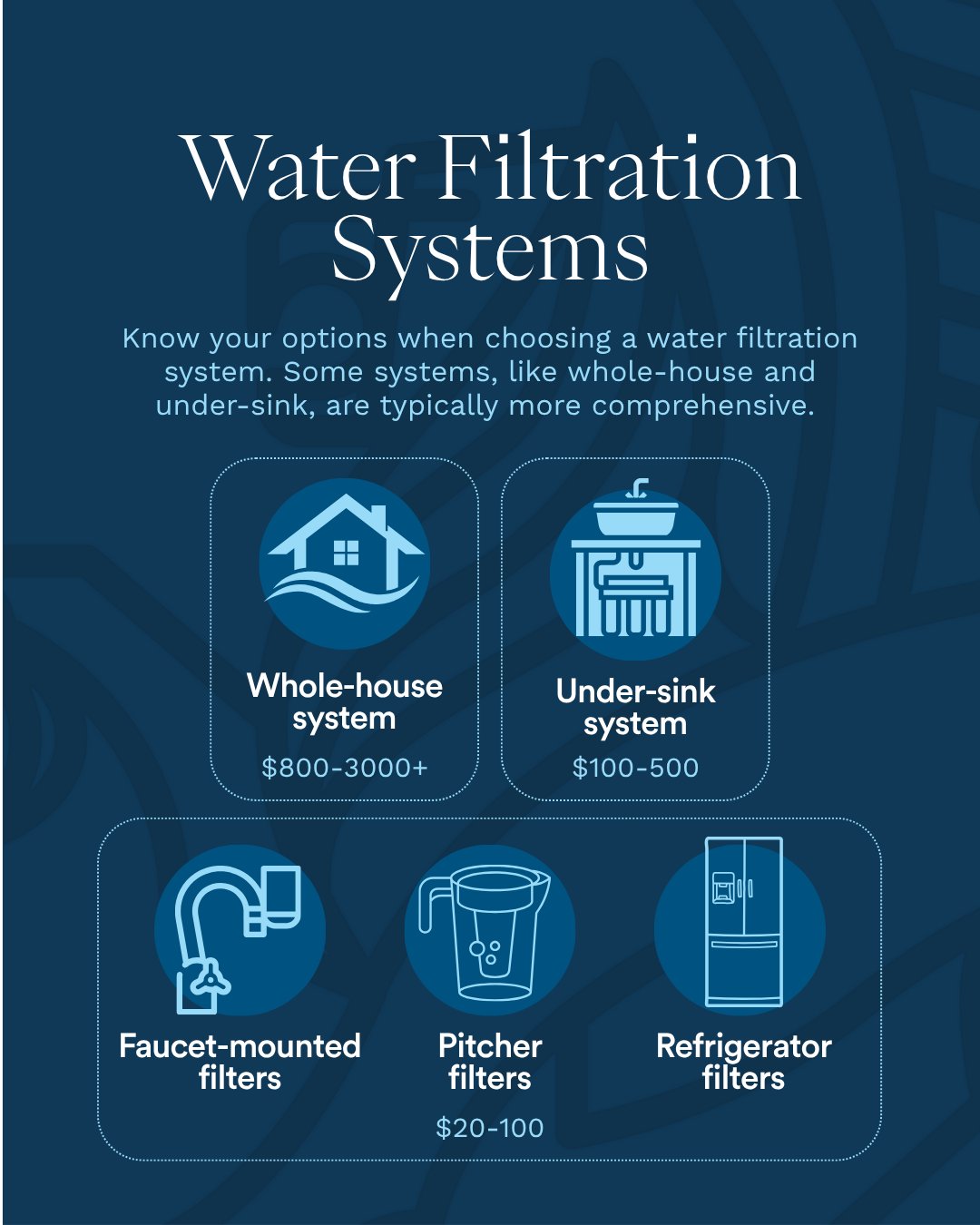
You can’t control the water source, but you can take steps to make your home’s water cleaner and safer.
This National Water Quality Month, make it a priority to learn more about your water system—and take steps to ensure the water in your home is safe, clean, and reliable.
Whether you upgrade your filters, flush your water heater, or simply commit to reducing runoff, every action helps. Clean water starts at home, but it benefits the whole community.
Stay up to date on the latest real estate trends.

September 2026 housing numbers and what home buyers and sellers need to know.
Many local butcher shops are longtime neighborhood institutions that still offer something increasingly difficult to find at a supermarket: personal service, specialty… Read more

Recognition
The Dawn Griffin Group is named St. Louis Magazine's Best Real Estate Agent for the third year in a row.
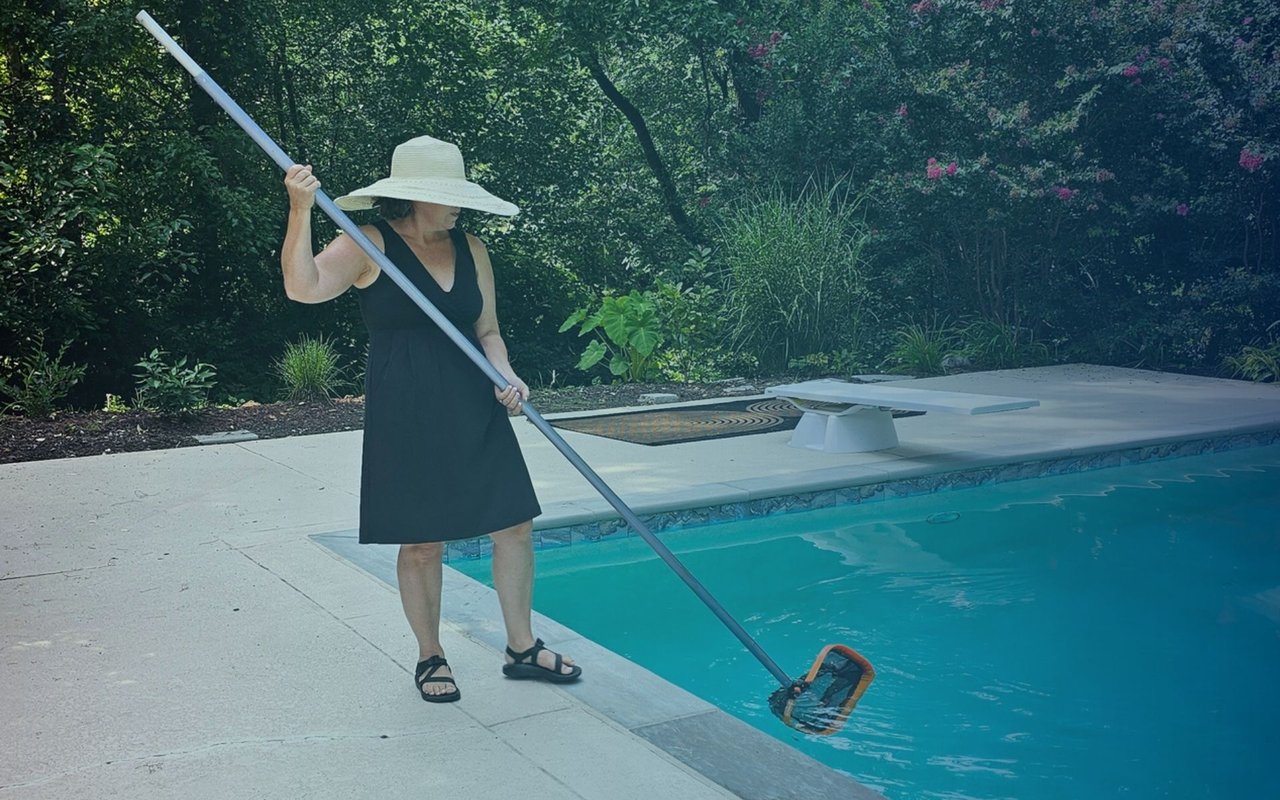
Halfway into the first full season, here are some things I've learned about pool ownership.

Save Big By Finding Dates, Eligible Items and Shopping Limits

New shops and restaurants in downtown Kirkwood and beyond
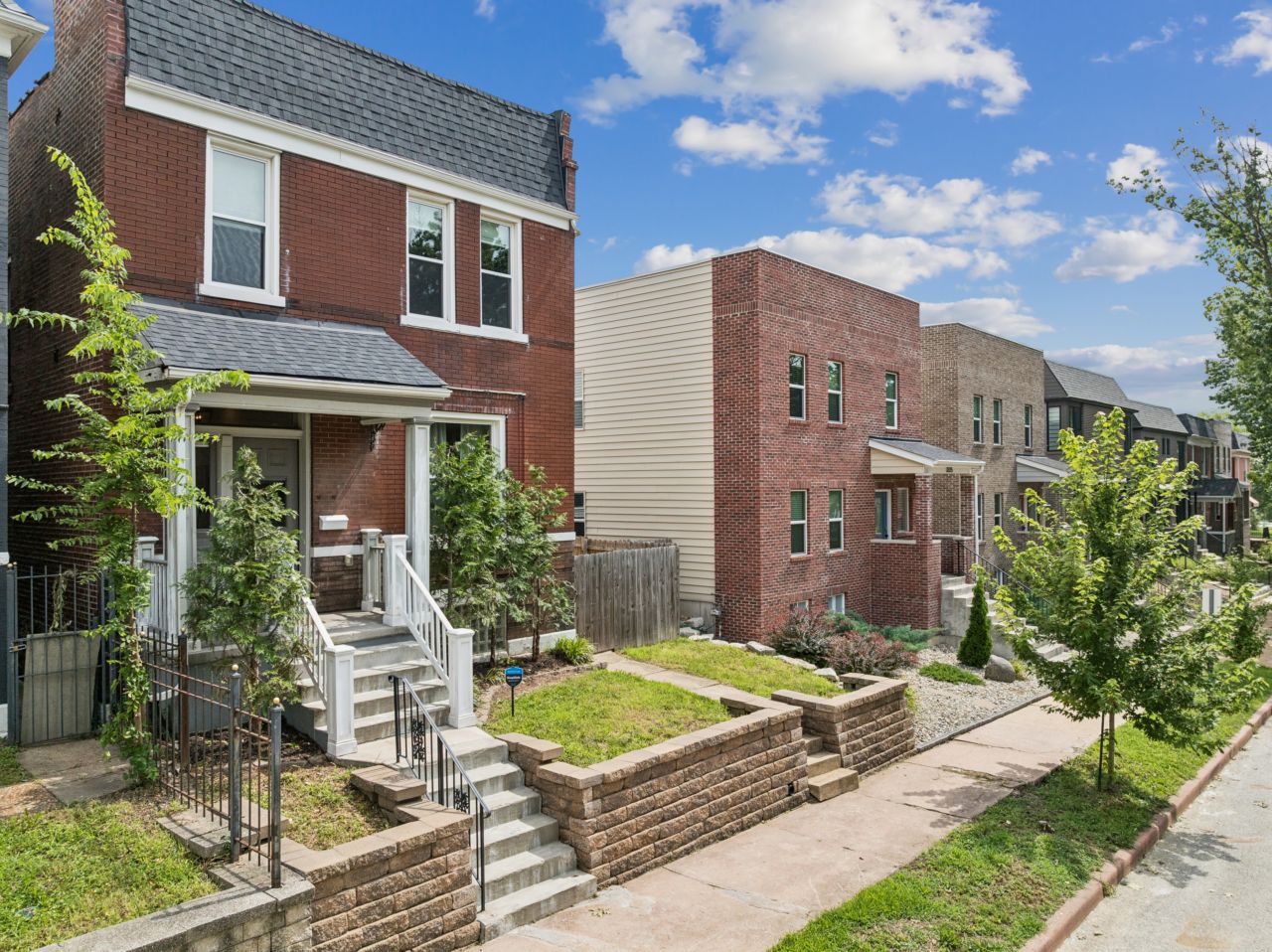
3329 Vista Avenue sits in a neighborhood that has been rewritten, quite literally, more times than almost any other pocket of the city.

We regularly use these same resources to help our clients before, during, and long after closing.

Here are seven of the most popular St. Louis first-time homebuyer programs available.
Partner with a team that values honest advice, strategic guidance, and exceptional service. With decades of experience and over 1,000 successful transactions, we're committed to helping you achieve your real estate goals with confidence.
Planning a move? Thinking about selling? Want to talk real estate?
Dawn Griffin Group
3636 S Geyer Rd Ste #100 St. Louis, MO 63127