
Dawn Griffin July 24, 2025
Imagine a home where grandparents help with school drop-off, kids share Sunday dinners with their cousins, and mortgage payments are a little easier to manage because three generations are sharing the load. What once felt like a nostalgic throwback is now one of the fastest-growing trends in U.S. housing: multigenerational living. In 2025, nearly 1 in 4 Americans live in a home with multiple adult generations, driven by rising housing costs, childcare and eldercare needs, and a desire for deeper family connection. But while the benefits are big, so are the logistics. If you’re considering this kind of living arrangement, the right home makes all the difference.
Here’s a look at the latest stats, plus what to look for if you’re searching for a multigenerational home—or thinking of adapting the one you’re in.
Recent data shows that over 66 million adults live in homes that include multiple adult generations. Since 2011, the number of three-generation households has increased by a staggering 271%. While financial pressures continue to play a key role—like high home prices, interest rates, and caregiving costs—many families are choosing to live together out of a desire for mutual support and connection.
Choosing the right home is essential for making multigenerational living comfortable and sustainable. Here’s what to prioritize:
Privacy is key. Look for:
Having more than one food prep area can dramatically reduce friction—especially during busy mornings or large family gatherings.
To accommodate aging parents or prepare for long-term use, prioritize:
Homes that offer multipurpose rooms (office/bedroom/playroom) can evolve with your family’s needs.
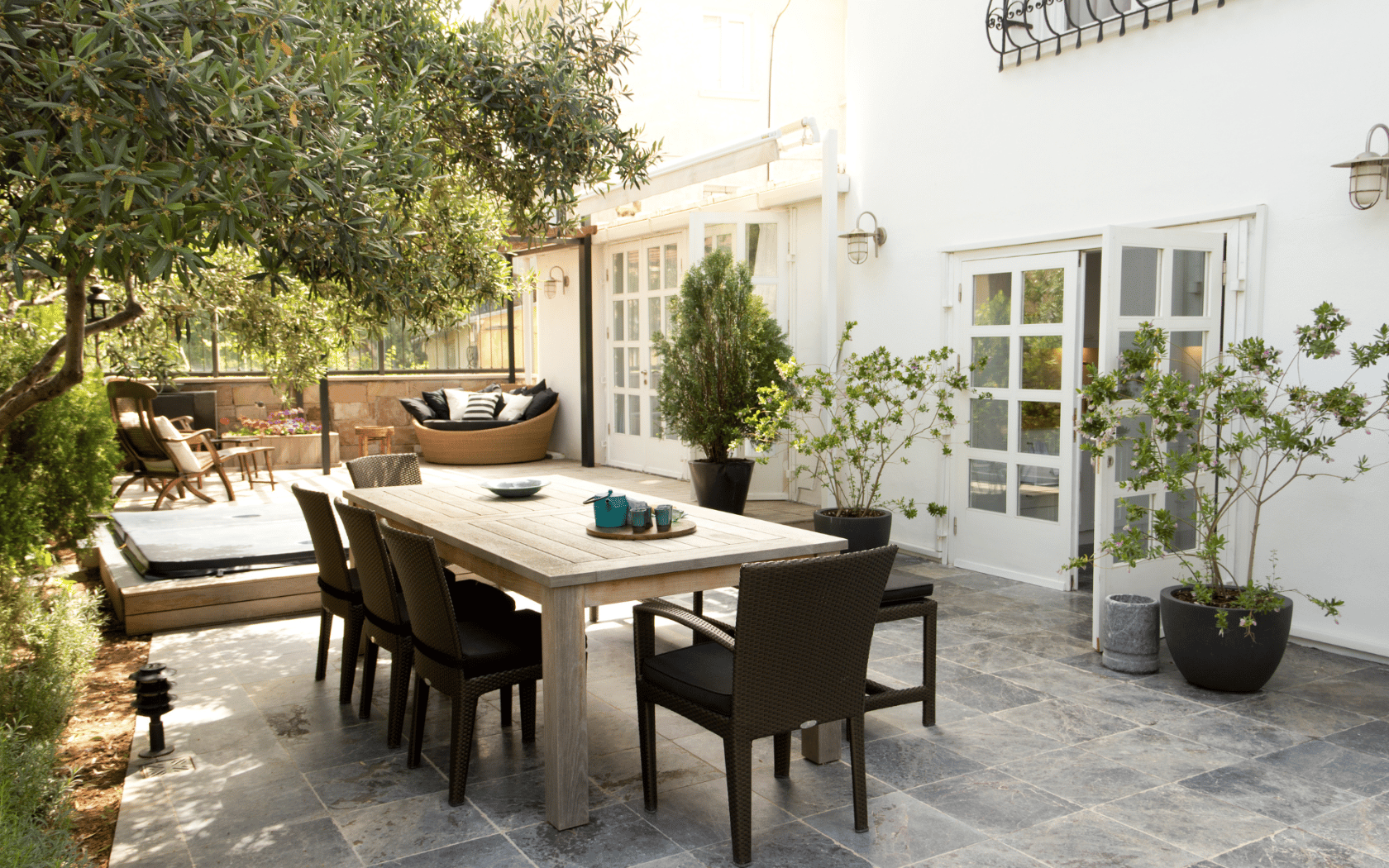
Large kitchens, open family rooms, and outdoor patios or porches support connection and shared time together. As of 2025, 86% of buyers want outdoor living space, and 64% of new homes include patios.
Highly functional outdoor space expands options for multigenerational living.
Soundproofing between floors, solid-core doors, and layout zones (quiet vs. active areas) help create boundaries and reduce stress.
More people = more stuff. Ample closets, garage storage, and attic space are crucial for keeping the home organized.
Buying the right home is only part of the equation. Successful multigenerational households also plan ahead for lifestyle logistics:
Whether you’re building a new home with extended family in mind or adapting your current one, multigenerational living can provide financial, emotional, and practical rewards. The key is finding (or designing) a space that meets everyone’s needs—now and in the future.
Thinking about going multigen? We’d love to help you find the right fit. Reach out to The Dawn Griffin Group to explore listings designed for every generation under one roof.
Stay up to date on the latest real estate trends.

September 2026 housing numbers and what home buyers and sellers need to know.

Many local butcher shops are longtime neighborhood institutions that still offer something increasingly difficult to find at a supermarket: personal service, specialty… Read more

Recognition
The Dawn Griffin Group is named St. Louis Magazine's Best Real Estate Agent for the third year in a row.

Halfway into the first full season, here are some things I've learned about pool ownership.

Save Big By Finding Dates, Eligible Items and Shopping Limits
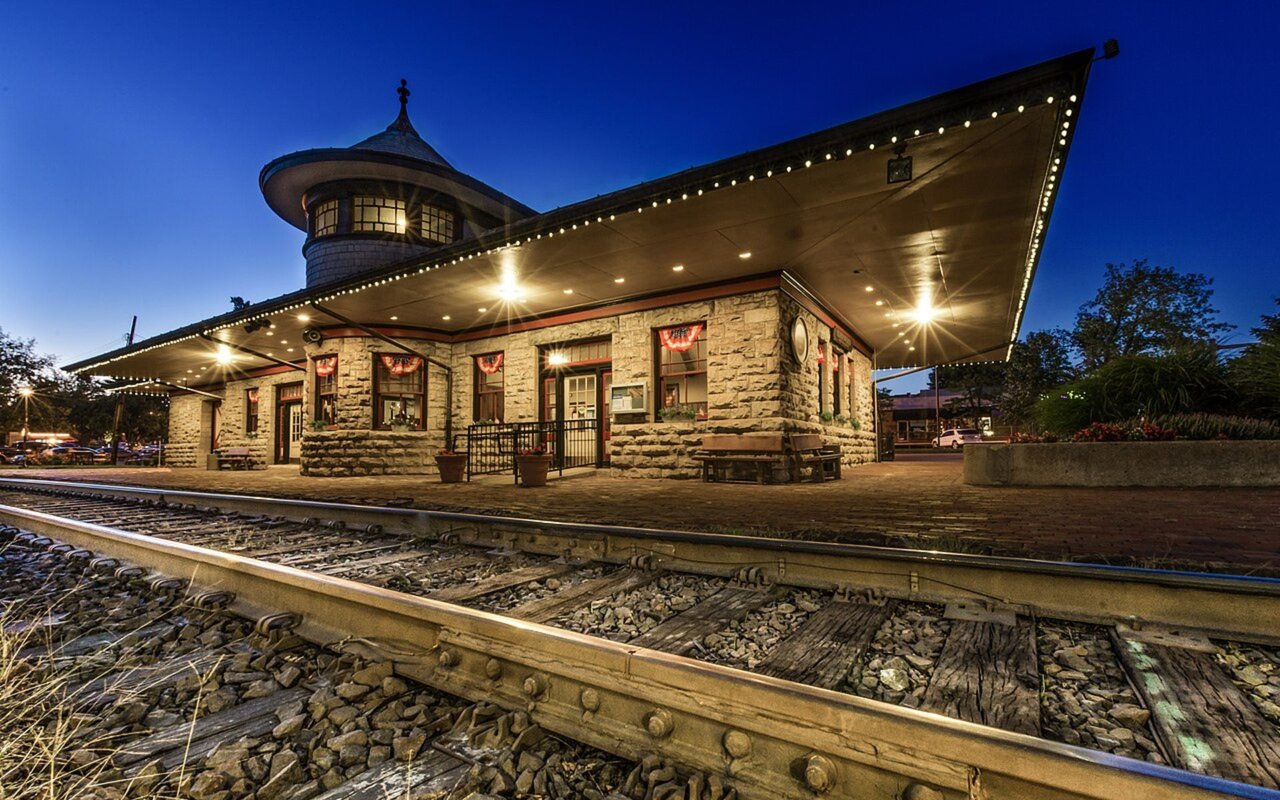
New shops and restaurants in downtown Kirkwood and beyond
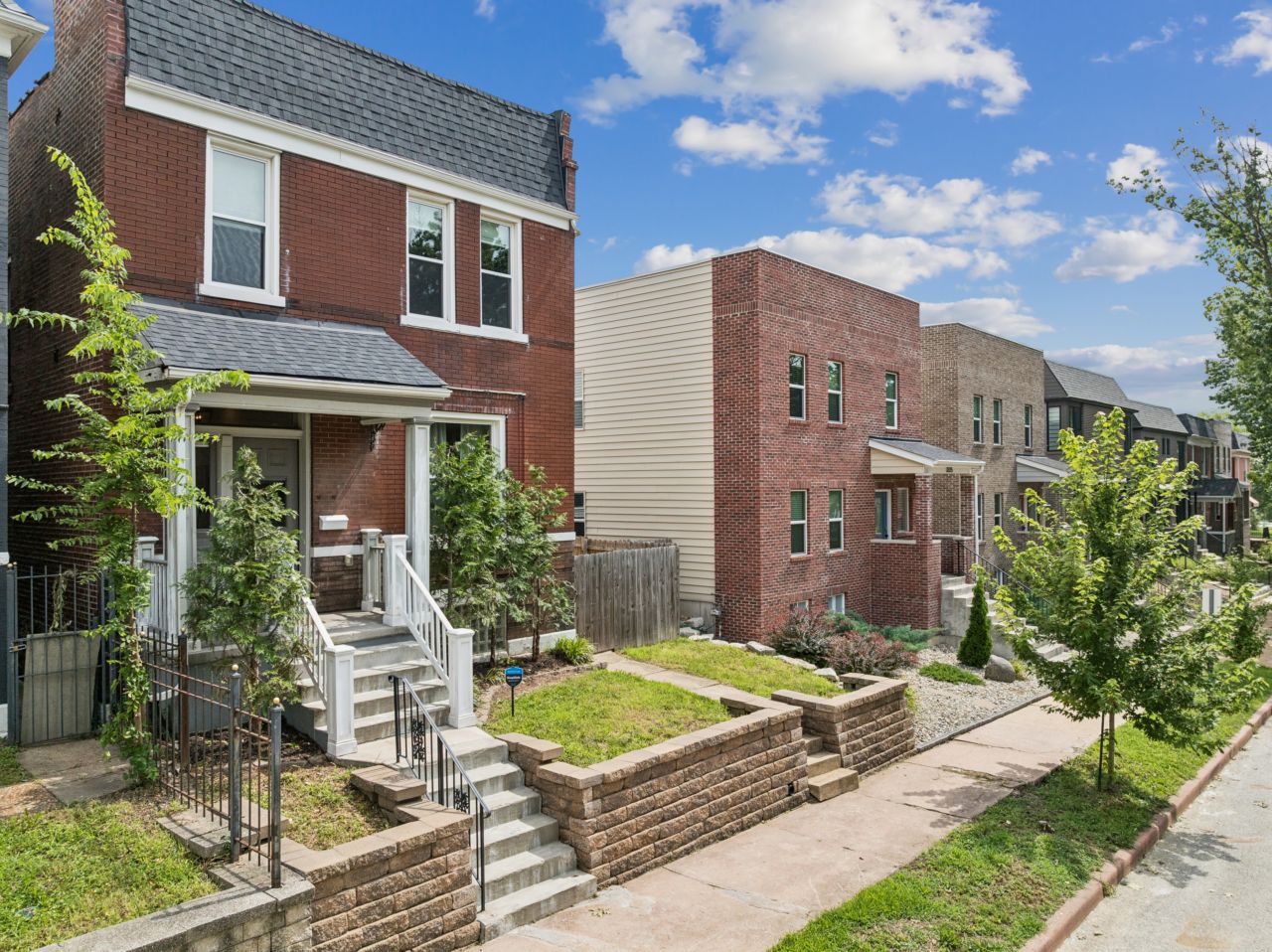
3329 Vista Avenue sits in a neighborhood that has been rewritten, quite literally, more times than almost any other pocket of the city.

We regularly use these same resources to help our clients before, during, and long after closing.
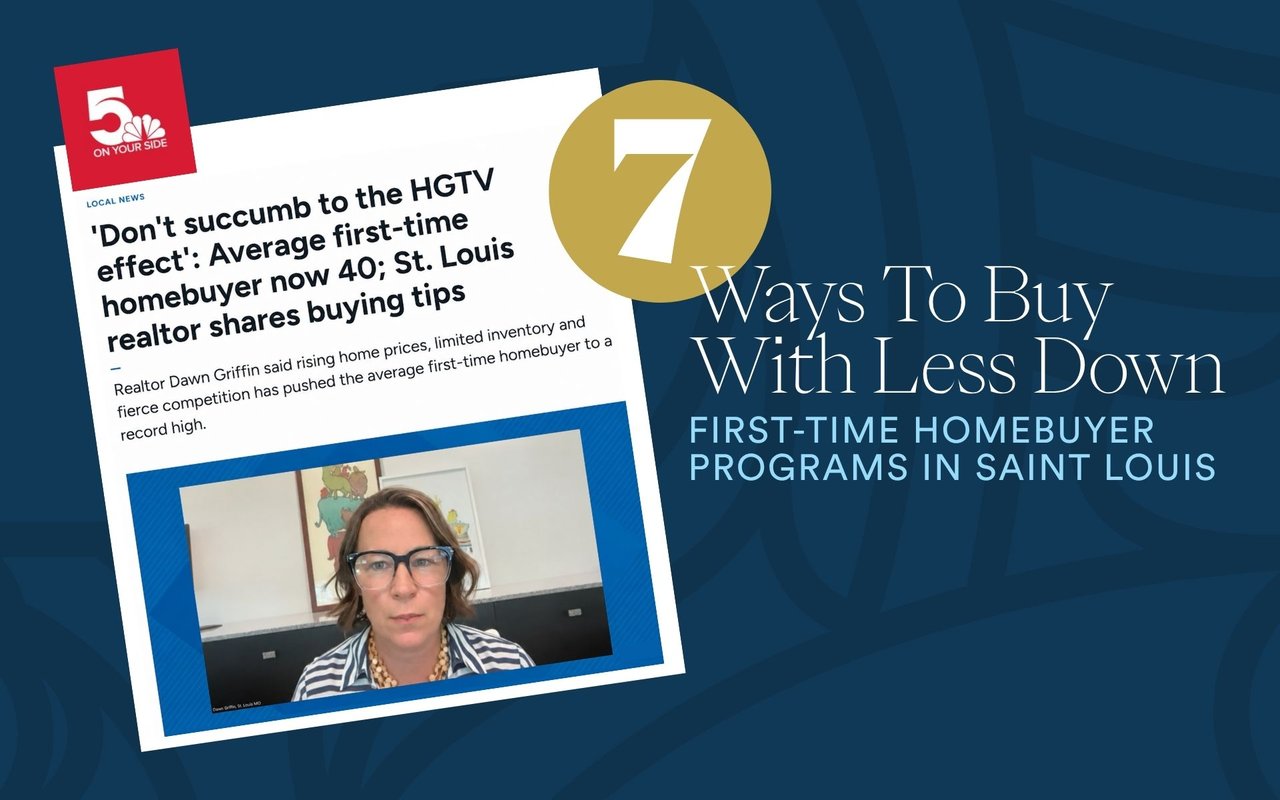
Here are seven of the most popular St. Louis first-time homebuyer programs available.
Partner with a team that values honest advice, strategic guidance, and exceptional service. With decades of experience and over 1,000 successful transactions, we're committed to helping you achieve your real estate goals with confidence.
Planning a move? Thinking about selling? Want to talk real estate?

Dawn Griffin Group
3636 S Geyer Rd Ste #100 St. Louis, MO 63127