

Dawn Griffin May 26, 2008
Appraisals are a common part of most real estate transactions. Anytime a person applies for a loan, an appraisal is ordered to help the bank determine whether or not making the loan will be a good risk. There are many other reasons to order an appraisal, but in this case (seeking a loan) the appraiser is working for the bank.
Appraisals are not an exact science, but there is a very detailed process that appraisers must go through to determine value. Their intended audience is the underwriter at the bank who will be approving the loan. The appraiser’s job is to be the eyes and ears for the bank, and they are required to stick to the facts. However, since no two homes are exactly alike, there are many subjective “facts.”
The first step is to gather data by researching the tax records and the MLS. Appraisers must also study the subject property’s sales history for the past three years, determine the zoning for and around the subject property, acquire the tax information, study the site, and select appropriate comps.
Selecting comparable properties is one of the most important factors that helps appraisers determine value.
Again, since no two homes are ever the same, adjustments must be made for amenities like fireplaces, spa-bathrooms, and hardwood floors. The adjustments are made to the comparable properties, and if the net of all the adjustments made alters the value by more than 15% either way, the comp is discarded.
Another part of the appraiser’s job is to study the terms of the contract. The appraiser is required to review all the terms of the contract, including all offers, counter offers, and addendums, including any kind of concession in terms of closing costs and prepaids, to determine how these conditions will affect value.
The appraisal is performed at the expense of the buyer, and the cost of the appraisal will be billed to the buyer at closing in the form of closing costs. While the appraisal is technically done for the benefit of the lender, it is still an important safeguard for the purchaser. According to the SLAR Appraisal Rider, the buyer has three choices if their appraisal does not meet the agreed-upon purchase price stated in the contract.
Stay up to date on the latest real estate trends.

September 2026 housing numbers and what home buyers and sellers need to know.

Many local butcher shops are longtime neighborhood institutions that still offer something increasingly difficult to find at a supermarket: personal service, specialty… Read more

Recognition
The Dawn Griffin Group is named St. Louis Magazine's Best Real Estate Agent for the third year in a row.

Halfway into the first full season, here are some things I've learned about pool ownership.

Save Big By Finding Dates, Eligible Items and Shopping Limits

New shops and restaurants in downtown Kirkwood and beyond
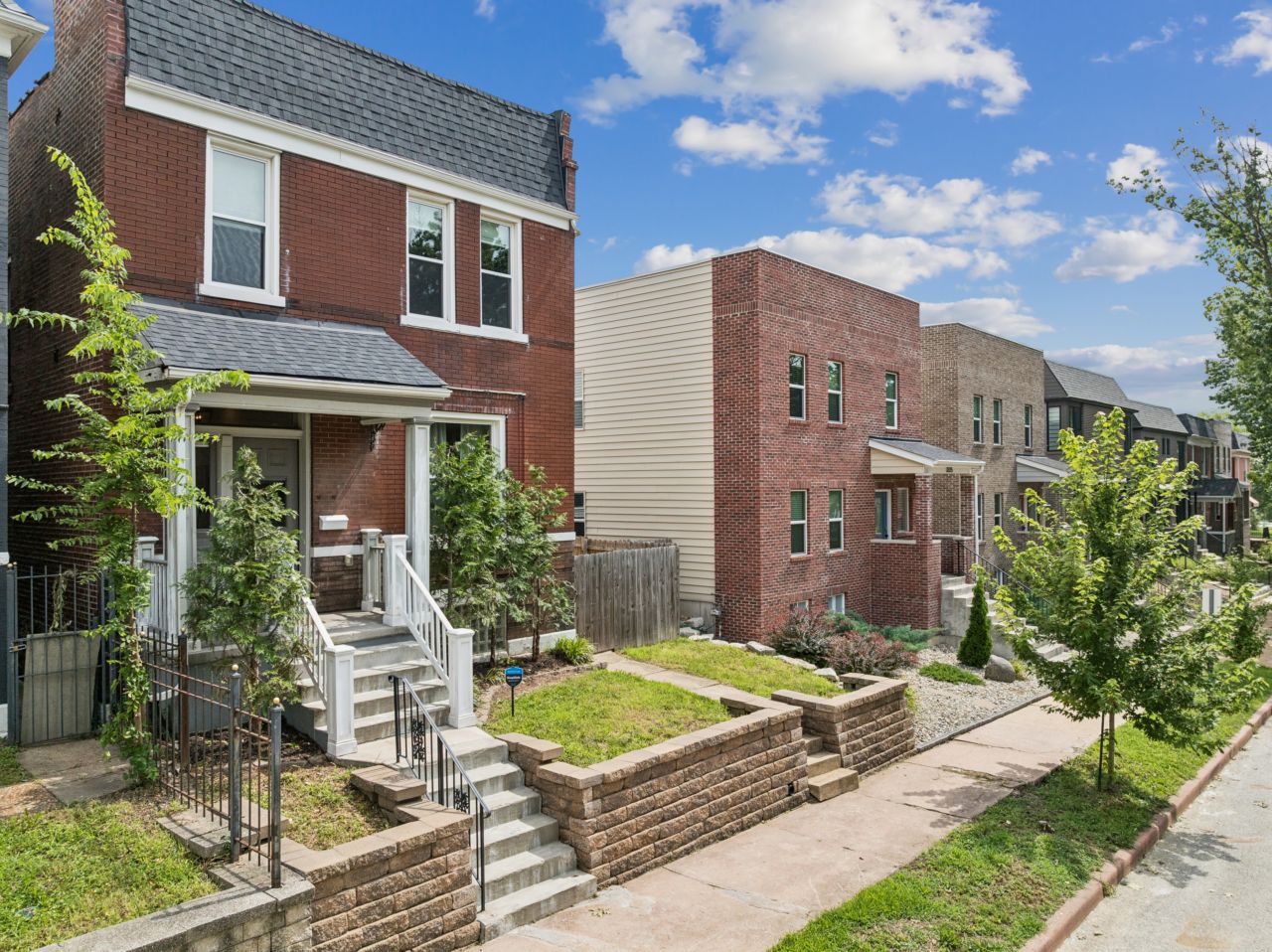
3329 Vista Avenue sits in a neighborhood that has been rewritten, quite literally, more times than almost any other pocket of the city.

We regularly use these same resources to help our clients before, during, and long after closing.

Here are seven of the most popular St. Louis first-time homebuyer programs available.
Partner with a team that values honest advice, strategic guidance, and exceptional service. With decades of experience and over 1,000 successful transactions, we're committed to helping you achieve your real estate goals with confidence.
Planning a move? Thinking about selling? Want to talk real estate?

Dawn Griffin Group
3636 S Geyer Rd Ste #100 St. Louis, MO 63127