
Andrea Durway January 29, 2025
First impressions matter, and when it comes to your home, curb appeal is everything. But enhancing your home’s exterior doesn’t have to come at the expense of the environment. With a few sustainable choices, you can create an inviting, stylish, and eco-friendly exterior that benefits both your property and the planet. Here are some sustainable curb appeal ideas that will make your home stand out while minimizing your environmental impact.
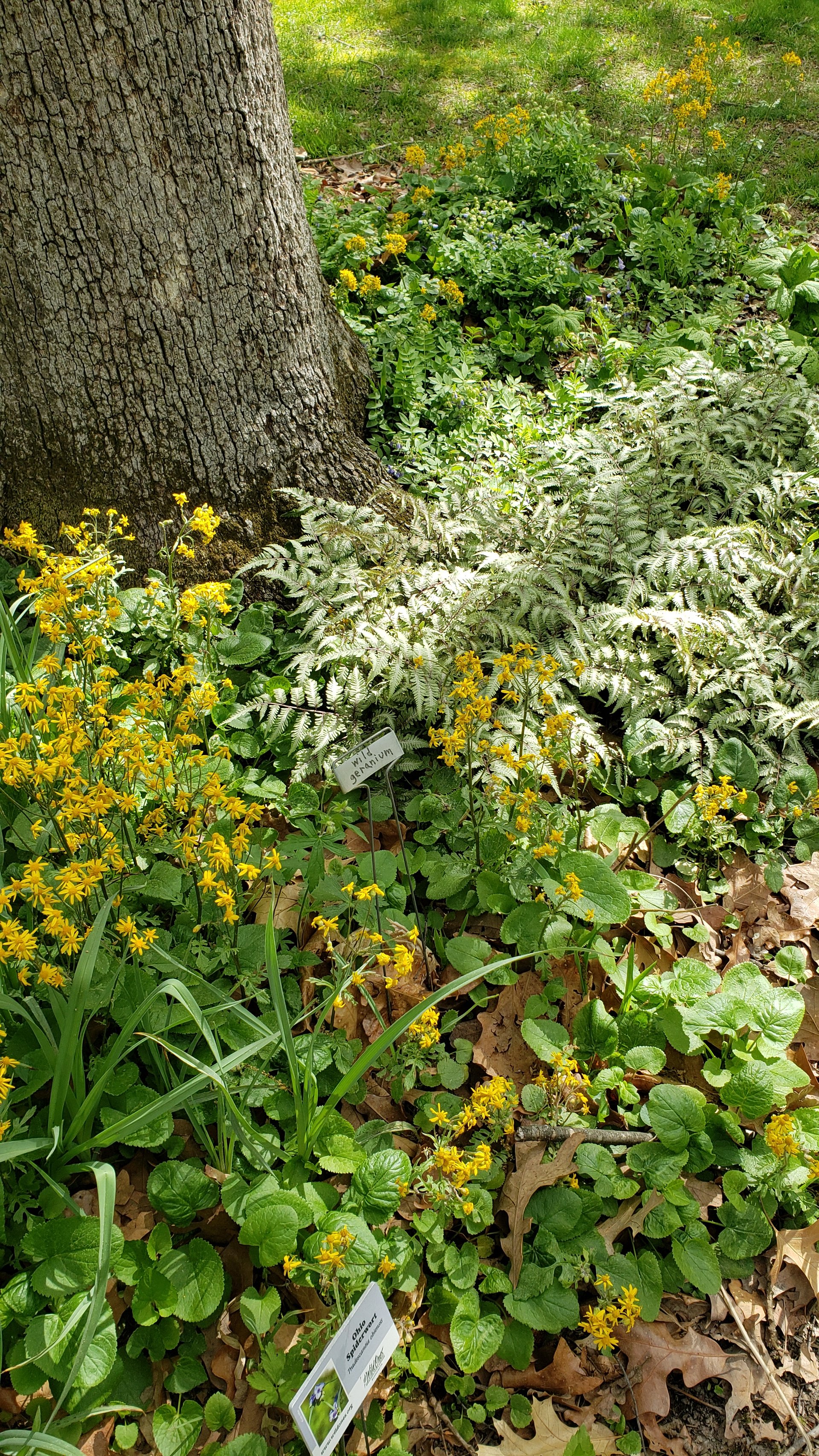
Traditional lawns require constant watering, mowing, and fertilization. Instead, consider replacing part (or all) of your lawn with native plants or drought-tolerant landscaping. These plants are adapted to your local climate, requiring less water and maintenance while attracting beneficial pollinators like bees and butterflies. The Missouri Botanical Garden has a great guide on native landscaping.
Tip: Incorporate mulch or ground cover plants to retain moisture and prevent soil erosion.
St. Louis has an active chapter of Wild Ones; an inspiring and growing community of native plant gardeners. Photo is from a member's front yard who takes part in an annual yard tour.
Standard concrete and asphalt surfaces contribute to water runoff, which can lead to flooding and pollution. Permeable pavers, gravel, or porous concrete allow rainwater to seep into the ground, replenishing groundwater supplies while reducing runoff. MSD has grants for installing rainscaping features on your property. Check the MSD Project Clear website to see if your property is within the grant boundaries.
Tip: Choose recycled or locally sourced pavers to further reduce your environmental footprint.
Swap out traditional outdoor lighting for solar-powered or LED options. Solar lights charge during the day and illuminate your walkways, garden, and porch at night without using electricity. LED bulbs last longer and consume significantly less energy than traditional incandescent bulbs.
Tip: Install motion sensors or timers to minimize unnecessary energy use.
When refreshing your home’s exterior, choose low-VOC (volatile organic compounds) or natural paints and stains. These options release fewer harmful chemicals into the air, making them better for both your health and the environment.
Tip: Opt for lighter shades to reflect heat and reduce cooling costs in the summer.
Instead of relying on municipal water to maintain your landscaping, collect rainwater in barrels to irrigate your plants. Rain barrels reduce water waste and help keep your garden hydrated during dry spells. Sometimes you can find rain barrels on Facebook Marketplace.
Tip: Place rain barrels under downspouts for maximum efficiency, and choose models with built-in filters to prevent debris buildup.
Rather than purchasing new outdoor furniture and décor, look for second-hand, upcycled, or reclaimed materials. Wood from old barns, salvaged bricks, and repurposed planters can add charm while reducing waste.
Tip: DIY projects like painting an old bench or converting a wooden pallet into a vertical garden can add character to your yard.
If you need fencing, consider sustainable materials like bamboo, recycled composite wood, or even a living hedge. These options are long-lasting and environmentally friendly compared to traditional treated wood or vinyl fencing.
Tip: A living fence, such as a hedge of native shrubs, can provide privacy while benefiting local wildlife.
If you have a small yard, consider incorporating a green roof on your porch or a vertical garden on a fence or wall. These features help insulate your home, reduce urban heat, and improve air quality. Even pots of easy-to-grow herbs can help.
Tip: Use edible plants like herbs, strawberries, or lettuce for a practical and beautiful addition to your outdoor space.
A hidden but essential aspect of sustainable curb appeal is waste management. Adding a discreet compost bin allows you to reduce food waste while creating nutrient-rich soil for your garden.
Tip: Choose a compost bin that blends with your landscaping or tuck it behind greenery for a seamless look.
Small details matter, too! Opt for a mailbox made from recycled materials, sustainable wood, or metal that can be repainted and reused. House numbers made from reclaimed wood or metal can add a stylish, eco-conscious touch.
Tip: Consider integrating a small pollinator garden around your mailbox for an added natural touch.
Sustainable curb appeal isn’t just good for the planet—it can also increase your home’s value and create a welcoming, low-maintenance outdoor space. By making small, eco-friendly changes, you can enhance your home’s beauty while being a responsible steward of the environment.
Would you like help incorporating any of these ideas into your own home’s curb appeal? Let’s chat!
Stay up to date on the latest real estate trends.
Tips, Tools, & Resources
Who to call before the guests arrive, the snow falls, or you head out of St. Louis for the holidays.

Around St. Louis
Comprehensive 2026 guide to shopping small in St. Louis — books, food, vintage, kids, and so much more.

Around St. Louis
Handmade gifts, vintage finds, and neighborhood traditions: 25 markets to plan your holiday weekends around.
Selling A Home
National media exposure, international reach, and a marketing plan built around your St. Louis home.

Real Estate Market News
October 2026 Insights into the local housing market

Around St. Louis
Let a local favorite handle the turkey, the sides or just the pie this year, with every deadline you need in one place.
Buying A Home
How UAD 3.6 affects appraisal costs, timing, and your home purchase

Selling A Home
You make the introduction. We’ll take it from there.

Selling A Home
The questions to ask, and the numbers to check, before you sign a listing agreement
Partner with a team that values honest advice, strategic guidance, and exceptional service. With decades of experience and over 1,000 successful transactions, we're committed to helping you achieve your real estate goals with confidence.
Planning a move? Thinking about selling? Want to talk real estate?
Dawn Griffin Group
3636 S Geyer Rd Ste #100 St. Louis, MO 63127