Dawn Griffin September 24, 2024
In recent years, the small home trend—those under 1,500 square feet—has gained significant momentum. Whether driven by economic considerations, environmental concerns, or a desire for simpler living, more people are choosing to downsize their living spaces. This shift is more than just a passing fad; it reflects a broader change in how we view homeownership and the qualities that define a desirable living environment.
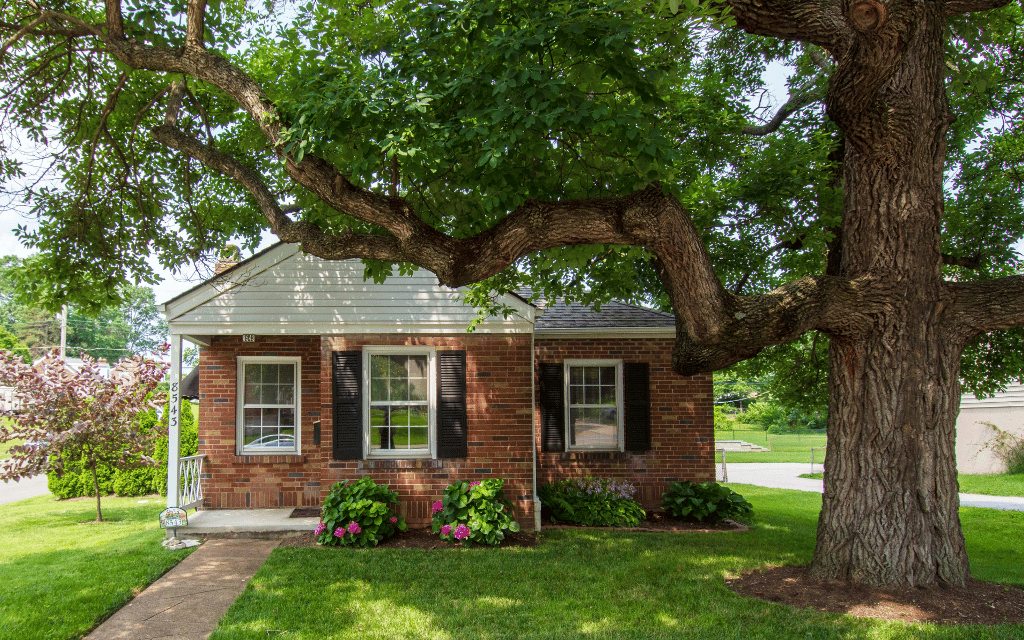
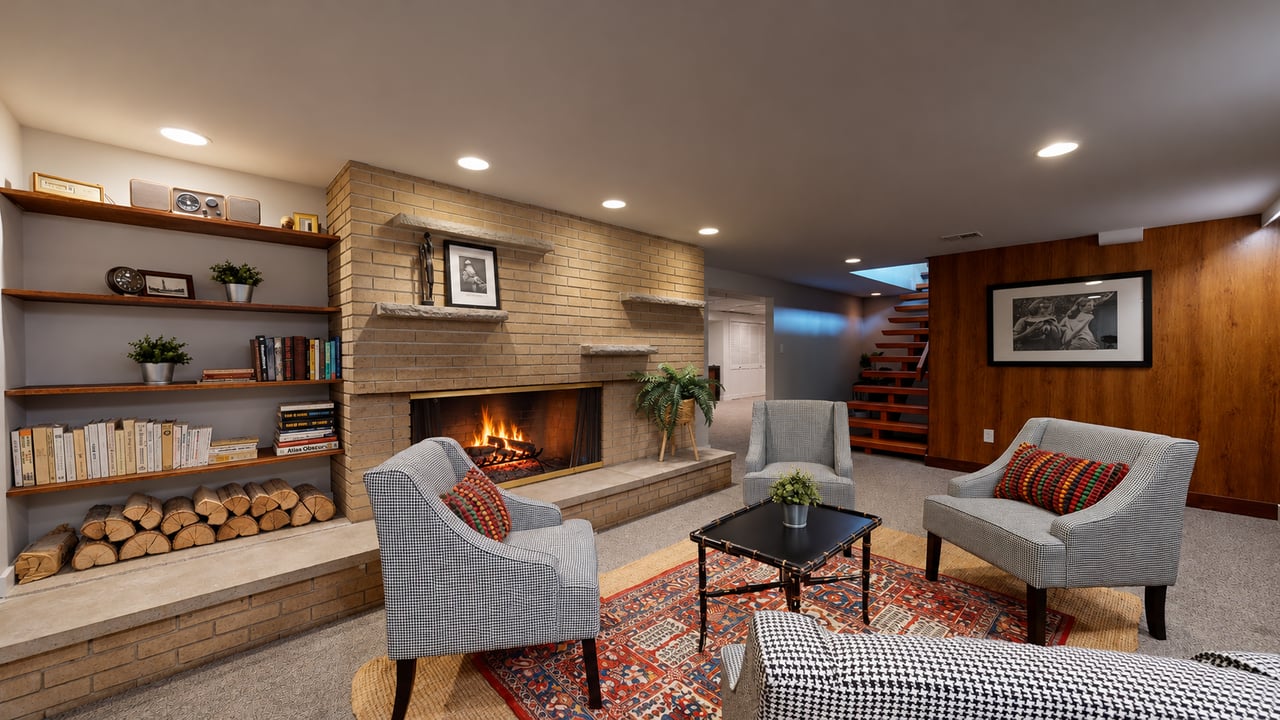
In 2021, this meticulous 2 bed/2 bath home in Affton sold in just five days for $11,000 over the asking price.
One of the most compelling reasons to consider a smaller home is the financial benefit. Smaller homes generally come with a lower purchase price, which means a smaller mortgage and lower monthly payments. Beyond the initial savings, smaller homes also tend to have lower utility bills, property taxes, and maintenance costs. This can free up funds for other priorities, such as travel, education, or retirement savings.
Smaller homes are easier and less expensive to maintain. With fewer rooms and square footage to clean and repair, homeowners can spend less time on upkeep and more time enjoying their space. This is particularly appealing to those with busy lifestyles or those looking to downsize as they approach retirement.
A smaller home requires fewer resources to build and maintain, making it a more environmentally friendly choice. Reduced energy consumption for heating, cooling, and lighting means a smaller carbon footprint. Additionally, many small home designs incorporate sustainable building materials and energy-efficient appliances, further reducing their environmental impact.
Living in a smaller space encourages homeowners to be more intentional with their possessions and lifestyle choices. With less room for clutter, individuals are often motivated to declutter and focus on what truly matters to them. This can lead to a more organized, stress-free living environment and a greater sense of satisfaction with one’s home.
Smaller homes are often easier to sell or rent, offering greater flexibility if life circumstances change. Whether you’re relocating for work, upgrading, or transitioning into a different stage of life, a smaller home can be an asset that adapts to your needs. Additionally, the growing popularity of tiny homes and mobile homes provides options for those seeking a minimalist, nomadic lifestyle.
Living in a smaller home often means living closer to neighbors, which can foster a stronger sense of community. Smaller homes are frequently found in more walkable neighborhoods, where residents are more likely to interact and engage with one another. This can lead to a richer, more connected social life and a greater sense of belonging.
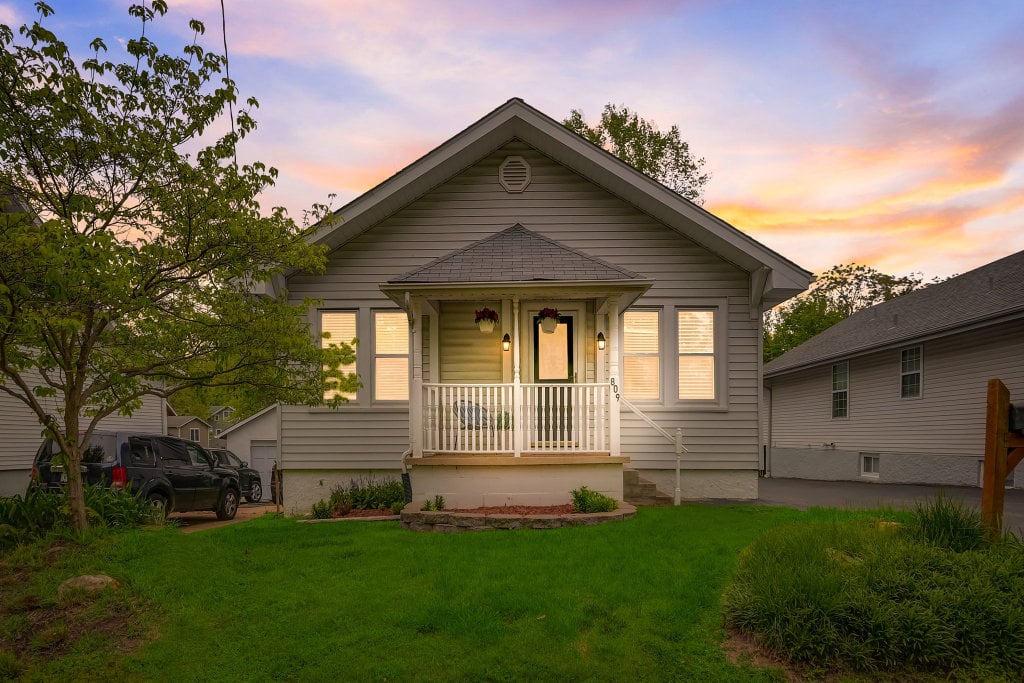
This charming home in heart of Glendale packs a lot into its 1,302 square feet and is in the highly rated Kirkwood School District. 2 main floor bedrooms and baths PLUS a full bath, sleeping area, and family room in lower level. Walkable to deli, market, schools, and parks. 809 East Essex Avenue is listed at $349,900.
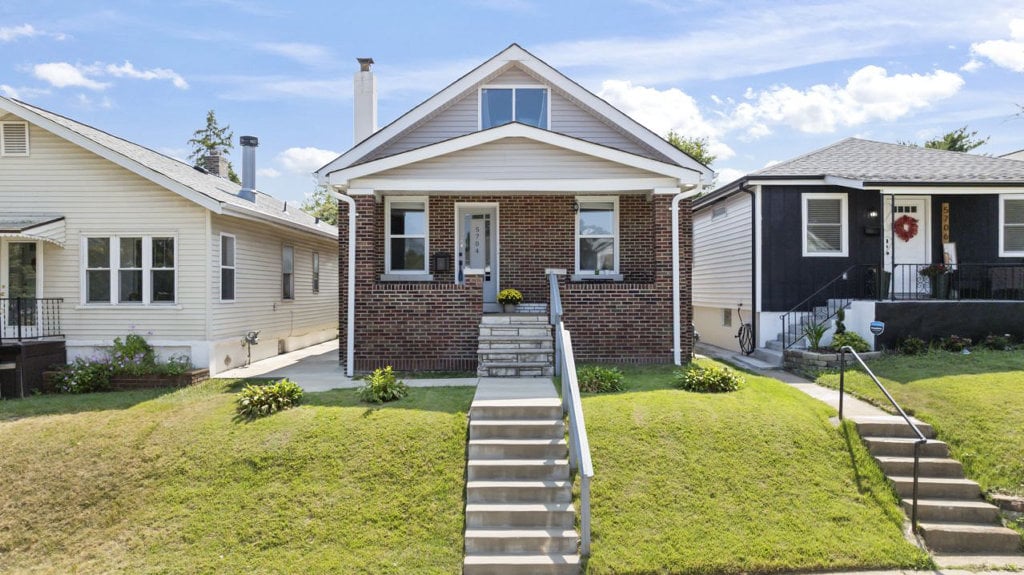
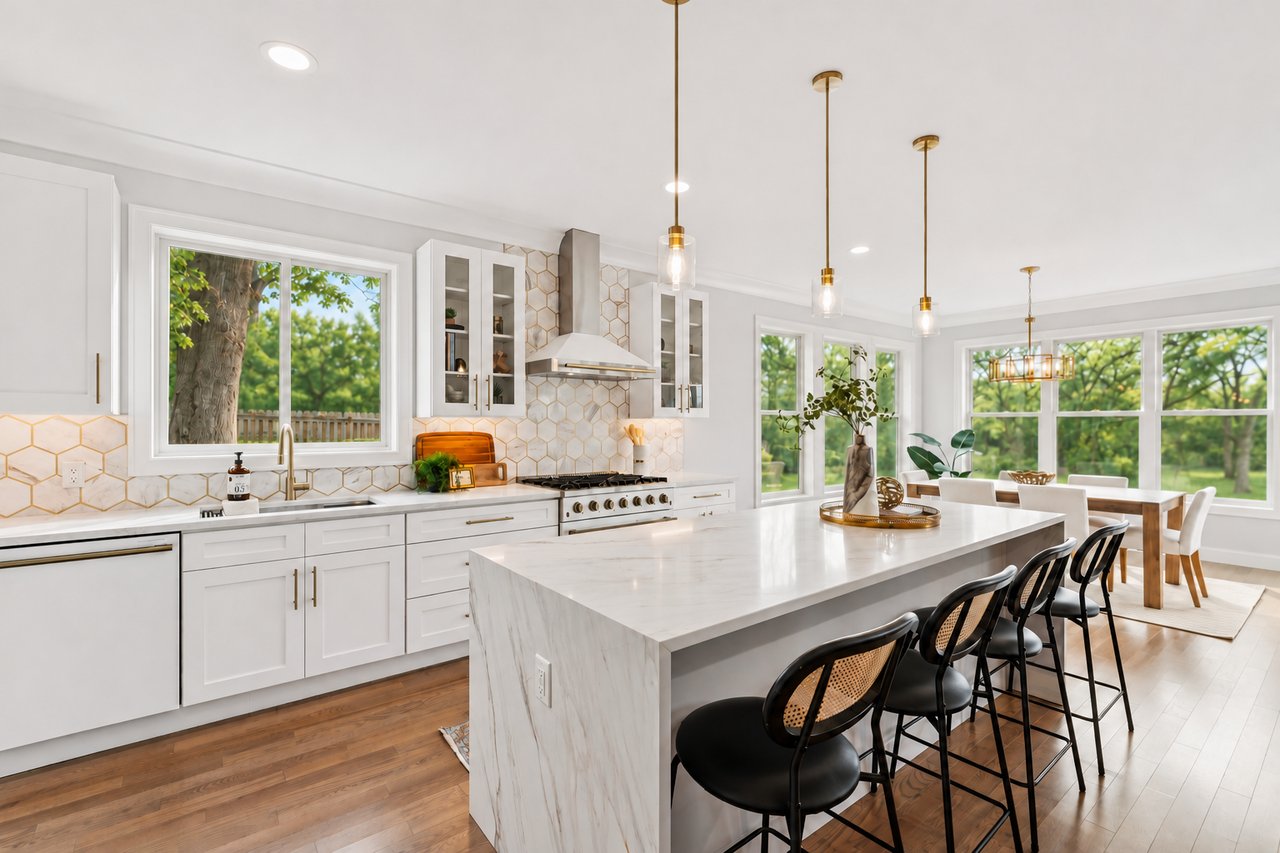
This sun-filled bungalow comes in 1,405 square feet plus has a professionally finished lower level that provides a comfortable family room, office, and gorgeous full bath with deluxe shower. Freshly updated interior an inviting open-concept living and dining space. 3 beds/ 2 baths and located in the popular Southampton neighborhood close to shopping, dining, and parks. 5704 Lansdowne is priced at $310,000.
According to the U.S. Census Bureau, the average size of newly constructed single-family homes in the United States peaked in 2015 at around 2,740 square feet. Since then, there has been a gradual decline. By 2022, the average size had dropped to approximately 2,479 square feet, indicating a shift toward more modestly sized homes.
Retirees and empty nesters are among the key groups driving this trend, as they seek to downsize to more manageable living spaces that require less maintenance and lower costs. According to a survey by the American Association of Retired Persons (AARP), 77% of adults aged 50 and older want to age in place, often in smaller, single-level homes that are easier to navigate and maintain. First-time homebuyers, particularly younger professionals and those living in urban areas, also lean towards smaller homes due to their affordability.
The Urban Land Institute’s 2021 Emerging Trends in Real Estate report noted an increase in demand for homes on smaller lots. This trend correlates with the desire for more affordable housing options and a reduced environmental footprint.
A 2020 survey by the American Institute of Architects (AIA) found that 53% of architects reported a growing client interest in designing smaller homes that are more energy-efficient and sustainable.
The trend toward smaller homes is not just about reducing square footage—it’s about embracing a lifestyle that prioritizes simplicity, sustainability, and financial freedom. Whether you’re a first-time homebuyer, a downsizer, or simply someone looking to make a more mindful housing choice, smaller homes offer a myriad of advantages that make them an appealing option in today’s market.
Ready to explore the possibilities of living in a smaller home? Contact us today to learn more about the available options in your area and how downsizing can fit your lifestyle. Let’s find the perfect home that meets your needs and supports the life you want to live.
Stay up to date on the latest real estate trends.
Tips, Tools, & Resources
Who to call before the guests arrive, the snow falls, or you head out of St. Louis for the holidays.

Around St. Louis
Comprehensive 2026 guide to shopping small in St. Louis — books, food, vintage, kids, and so much more.

Around St. Louis
Handmade gifts, vintage finds, and neighborhood traditions: 25 markets to plan your holiday weekends around.
Selling A Home
National media exposure, international reach, and a marketing plan built around your St. Louis home.

Real Estate Market News
October 2026 Insights into the local housing market

Around St. Louis
Let a local favorite handle the turkey, the sides or just the pie this year, with every deadline you need in one place.
Buying A Home
How UAD 3.6 affects appraisal costs, timing, and your home purchase

Selling A Home
You make the introduction. We’ll take it from there.

Selling A Home
The questions to ask, and the numbers to check, before you sign a listing agreement
Partner with a team that values honest advice, strategic guidance, and exceptional service. With decades of experience and over 1,000 successful transactions, we're committed to helping you achieve your real estate goals with confidence.
Planning a move? Thinking about selling? Want to talk real estate?
Dawn Griffin Group
3636 S Geyer Rd Ste #100 St. Louis, MO 63127