Andrea Durway October 1, 2025
National Fire Prevention Week kicks off next week, making it the perfect time to look at fire safety close to home. In St. Louis City, the Fire Department operates 30 stations and responds to more than 110,000 emergency calls each year — with nearly 40% of its fire responses tied to vacant houses. In St. Louis County, fire protection is provided by 23 fire districts and 20 municipal departments. With so many separate jurisdictions, there isn’t a single reporting system that captures all calls across the county, but the sheer number of agencies highlights how common fire risk truly is.
That’s why it’s always worth revisiting how we protect our own homes. While some fire safety practices never change, others evolve with new technology and standards. Use this updated checklist to make sure your household is prepared.
Cause | Key Risk | Preventive Action |
|---|---|---|
Cooking equipment | Grease fires, unattended pots | Never leave stovetop cooking unattended; keep flammables (towels, curtains) away; have a lid nearby to smother small flare-ups. |
Heating equipment | Overheating, tip-over | Maintain central heating systems annually; keep space heaters at least 3 feet from anything; use tip-over protection and auto-off. |
Electrical / appliances | Overloaded circuits, faulty wiring | Don’t overload extension cords; replace frayed cords; install arc-fault circuit interrupters (AFCIs). |
Candles & open flames | Drapes, decorations, pets | Use flameless LED candles; if using real candles, keep them on stable surfaces, and always extinguish before leaving the room. |
Smoking materials | Unextinguished cigarettes | Smoke outside, use deep ashtrays, and ensure all embers are fully out before disposing. |
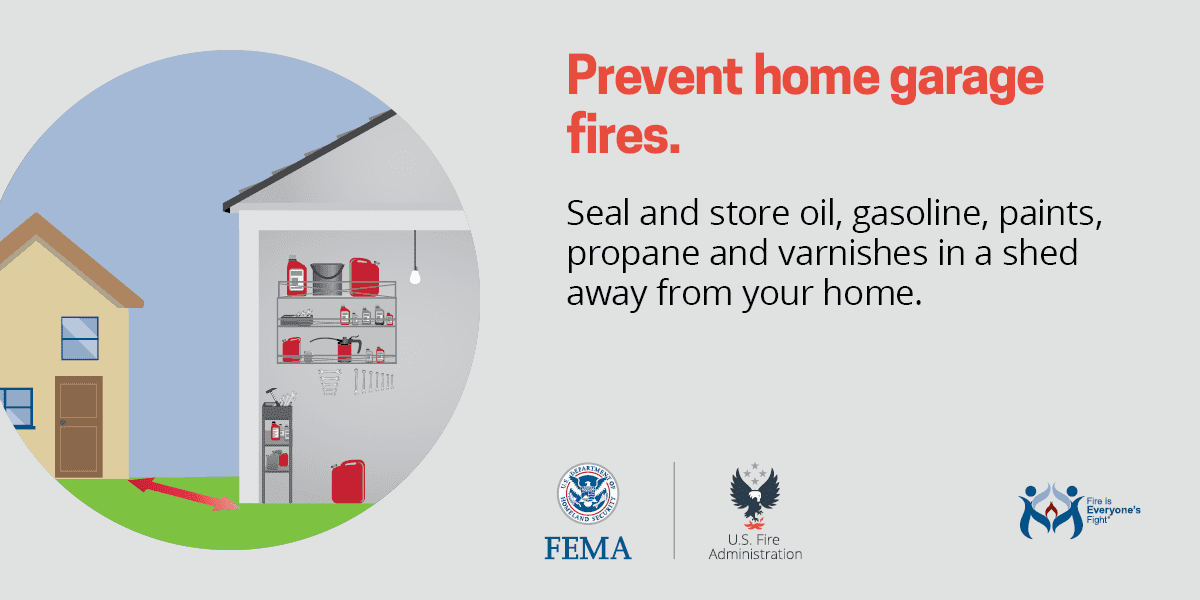
Garages and basements are two often-overlooked areas where home fires can start. Each year, an estimated 6,600 garage fires occur in U.S. homes, causing nearly $450 million in property damage. Common culprits include overloaded outlets, faulty wiring, and the improper storage of flammable materials like gasoline or paint. Basements pose risks as well, since they often house furnaces, water heaters, laundry appliances, and electrical panels surrounded by clutter or combustible storage.
Download FEMA’s Home Fire Safety Checklist and take 10 minutes to audit your home this weekend.
Stay up to date on the latest real estate trends.

September 2026 housing numbers and what home buyers and sellers need to know.

Many local butcher shops are longtime neighborhood institutions that still offer something increasingly difficult to find at a supermarket: personal service, specialty… Read more

Recognition
The Dawn Griffin Group is named St. Louis Magazine's Best Real Estate Agent for the third year in a row.

Halfway into the first full season, here are some things I've learned about pool ownership.

Save Big By Finding Dates, Eligible Items and Shopping Limits
New shops and restaurants in downtown Kirkwood and beyond

3329 Vista Avenue sits in a neighborhood that has been rewritten, quite literally, more times than almost any other pocket of the city.

We regularly use these same resources to help our clients before, during, and long after closing.

Here are seven of the most popular St. Louis first-time homebuyer programs available.
Partner with a team that values honest advice, strategic guidance, and exceptional service. With decades of experience and over 1,000 successful transactions, we're committed to helping you achieve your real estate goals with confidence.
Planning a move? Thinking about selling? Want to talk real estate?

Dawn Griffin Group
3636 S Geyer Rd Ste #100 St. Louis, MO 63127