
Andrea Durway June 3, 2025
Let’s be honest—whether you’re actively house hunting or just daydreaming about that $4.5 million modern farmhouse with a pool and a pizza oven, you’ve probably lost a few hours to scrolling Zillow. You’re not alone. These days, online real estate platforms aren’t just tools—they’re borderline addictive. But behind the scenes of those perfectly staged living rooms and square footage numbers, there’s a whole system at work.
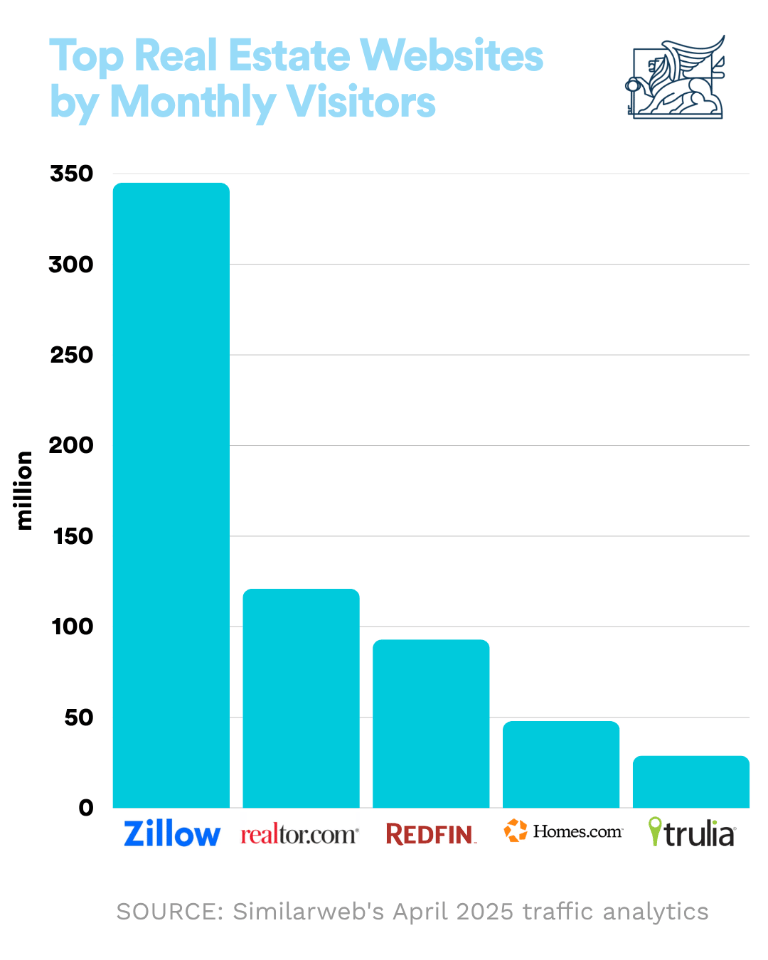
In this post, we’re breaking down the most popular real estate websites (based on actual monthly visits), explaining how listings make their way from the MLS to your screen, and sharing some stats that prove: yes, starting your home search online is totally normal. In fact, according to the National Association of Realtors’ 2024 Profile of Home Buyers and Sellers, 100% of buyers used the internet at some point during their home search journey. We also take a look at where the third-party sites can fall short.
As of April 2025, the landscape of real estate websites in the United States is dominated by a few key players, each attracting millions of visitors monthly:
These platforms have become integral to the home-buying process, offering users a plethora of tools and information to aid in their search.
The backbone of property listings is the Multiple Listing Service (MLS), a database established by cooperating real estate brokers to provide data about properties for sale. MLSs are regional entities, and as of 2020, there were approximately 580 MLSs in the U.S., though this number has been decreasing due to consolidation trends.
To disseminate listings to a broader audience, MLSs utilize the Internet Data Exchange (IDX) system. IDX allows brokers to display each other’s listings on their websites, adhering to specific rules set by MLS policies.
Third-party websites like Zillow and Realtor receive MLS data through syndication agreements. These agreements permit the sharing of listings, ensuring that properties gain maximum exposure online. However, the accuracy and timeliness of data can vary depending on the source and the frequency of updates.
At this point, browsing real estate online is practically a national pastime. These websites make it easy (and kind of fun) to dip your toes into the market—whether you’re seriously house hunting or just killing time while your pasta boils.
But behind the pretty pictures and map pins is a whole system of data-sharing that powers what you see—and doesn’t always tell the full story. That’s where working with a real estate pro comes in. We can help you make sense of the listings, spot what’s missing, and guide you from “just looking” to “just closed.”
So go ahead, keep scrolling those dream homes—but know that when you’re ready to make a move, the right support can make all the difference. We’re here for you.
Stay up to date on the latest real estate trends.

September 2026 housing numbers and what home buyers and sellers need to know.

Many local butcher shops are longtime neighborhood institutions that still offer something increasingly difficult to find at a supermarket: personal service, specialty… Read more

Recognition
The Dawn Griffin Group is named St. Louis Magazine's Best Real Estate Agent for the third year in a row.

Halfway into the first full season, here are some things I've learned about pool ownership.

Save Big By Finding Dates, Eligible Items and Shopping Limits

New shops and restaurants in downtown Kirkwood and beyond
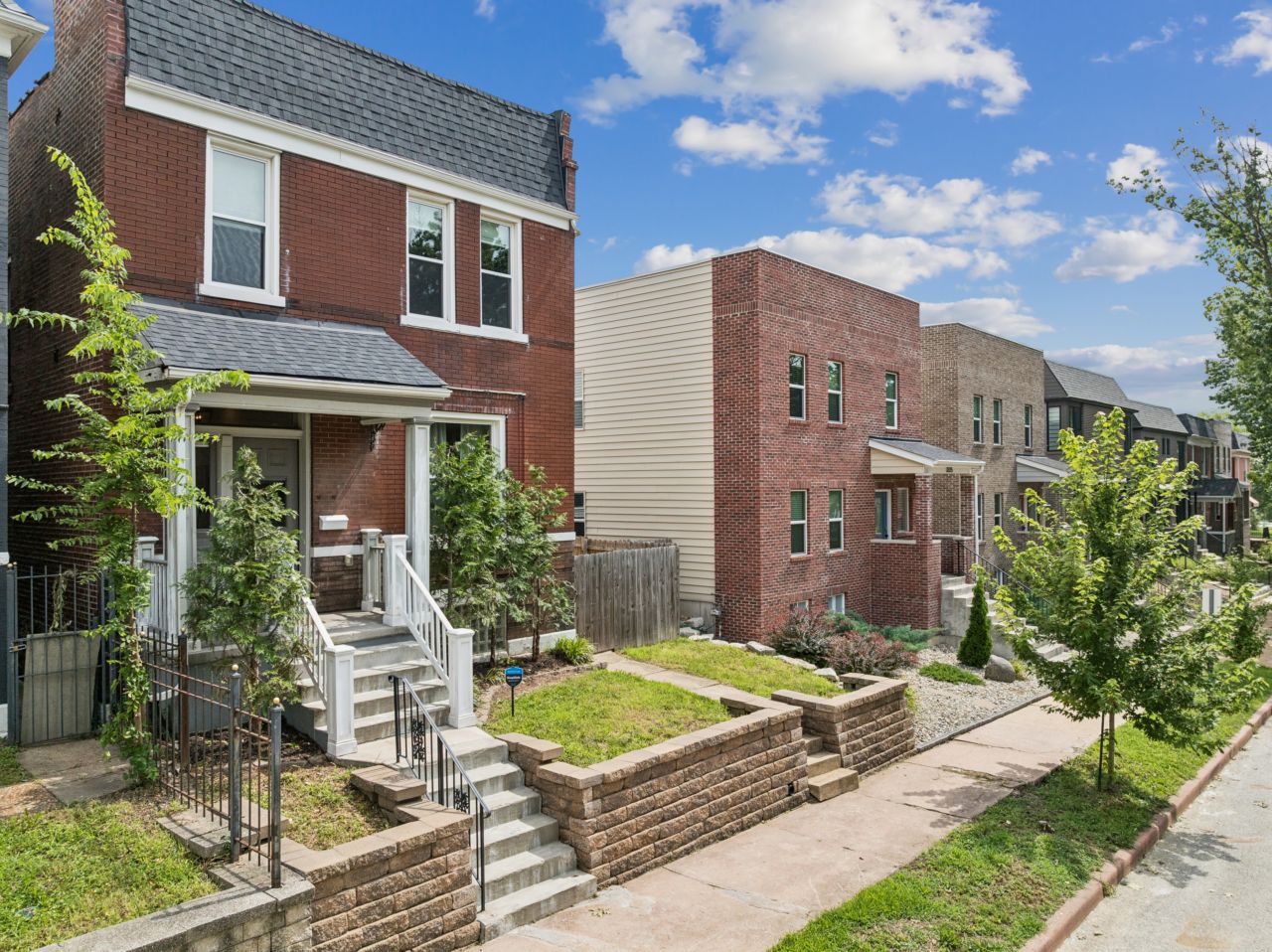
3329 Vista Avenue sits in a neighborhood that has been rewritten, quite literally, more times than almost any other pocket of the city.

We regularly use these same resources to help our clients before, during, and long after closing.
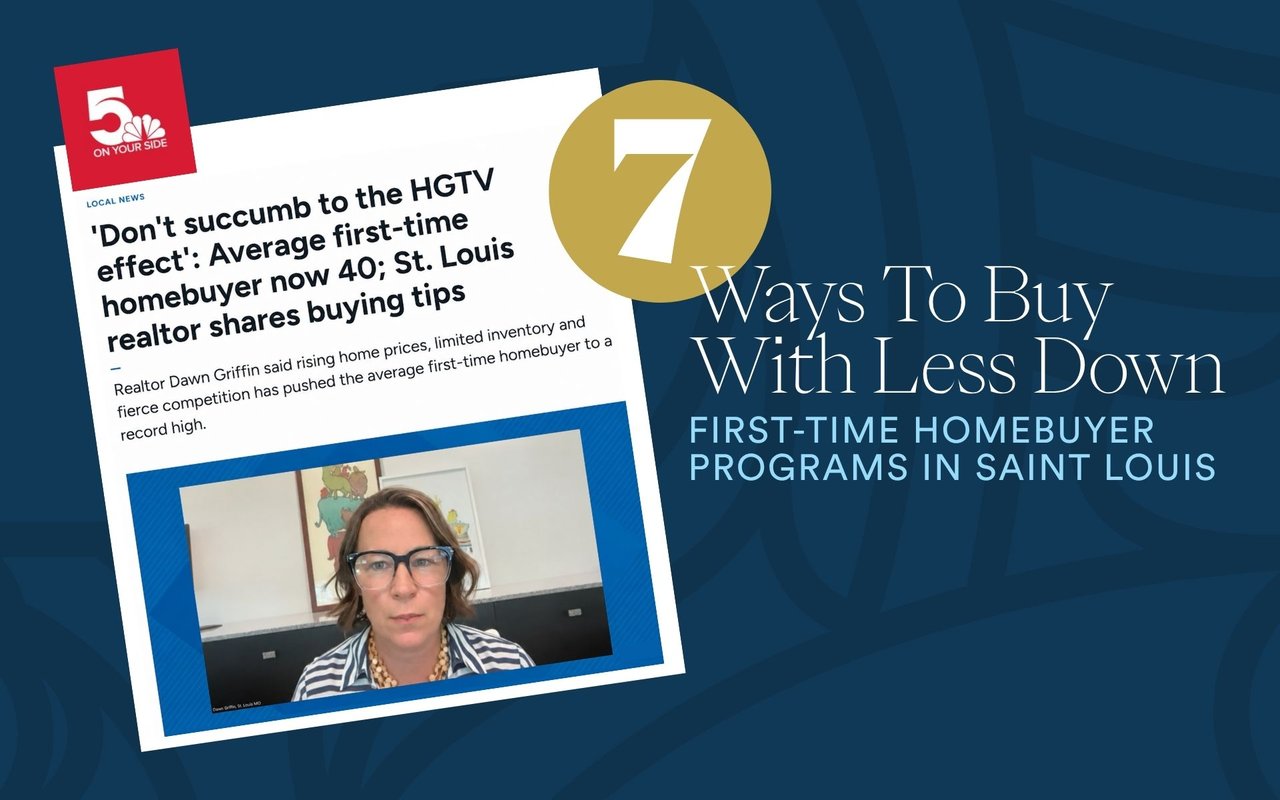
Here are seven of the most popular St. Louis first-time homebuyer programs available.
Partner with a team that values honest advice, strategic guidance, and exceptional service. With decades of experience and over 1,000 successful transactions, we're committed to helping you achieve your real estate goals with confidence.
Planning a move? Thinking about selling? Want to talk real estate?

Dawn Griffin Group
3636 S Geyer Rd Ste #100 St. Louis, MO 63127