

Dawn Griffin September 9, 2025
Earlier this year, we reported on the significant property tax increases residents across the St. Louis region were seeing. Rising property tax bills have become a lightning rod for frustration across the state of Missouri. In response, the legislature’s Special Interim Committee on Property Tax Reform has been working all summer through six public hearings, gathering testimony and exploring options.
The conversation is complicated. Property taxes fund essential services like schools and libraries, yet many residents, particularly seniors on fixed incomes and first-time buyers, feel squeezed. The proposals on the table reflect a tug-of-war between offering relief and maintaining local revenue. The committee held its sixth and final public hearing on September 3rd, 2025. Now comes the work of turning the ideas presented into meaningful changes in the way taxes are assessed and levied.
In some counties, home values are increasing faster than wages or inflation. That has translated into steep assessment hikes, leaving many homeowners with tax bills that feel unsustainable.
Missouri’s Hancock Amendment requires local governments to roll back tax rates when values rise faster than inflation. But because this rollback is applied uniformly, it doesn’t account for differences across property classes.
Critics argue that assessment practices aren’t always consistent or transparent, and in some counties, missteps have eroded public trust.
Lawmakers are floating a wide range of ideas:
Some legislators have urged caution. They argue that sweeping caps or freezes may feel good in the short term but could starve schools, libraries, and community programs of needed revenue. Instead, they generally favor:
Missouri’s property tax revolt is forcing a tough conversation about how to balance relief for homeowners with the need to fund essential services. Some fixes—like expanding targeted relief and improving transparency—could make the system fairer without destabilizing local budgets. Others—like broad freezes and deep cuts to personal property taxes—may leave communities scrambling to fund schools, police, and libraries.
As the legislature continues its work, the big question is whether reforms will tackle the underlying issues or simply offer short-term relief that shifts the burden elsewhere.
Stay up to date on the latest real estate trends.

September 2026 housing numbers and what home buyers and sellers need to know.

Many local butcher shops are longtime neighborhood institutions that still offer something increasingly difficult to find at a supermarket: personal service, specialty… Read more

Recognition
The Dawn Griffin Group is named St. Louis Magazine's Best Real Estate Agent for the third year in a row.

Halfway into the first full season, here are some things I've learned about pool ownership.

Save Big By Finding Dates, Eligible Items and Shopping Limits

New shops and restaurants in downtown Kirkwood and beyond
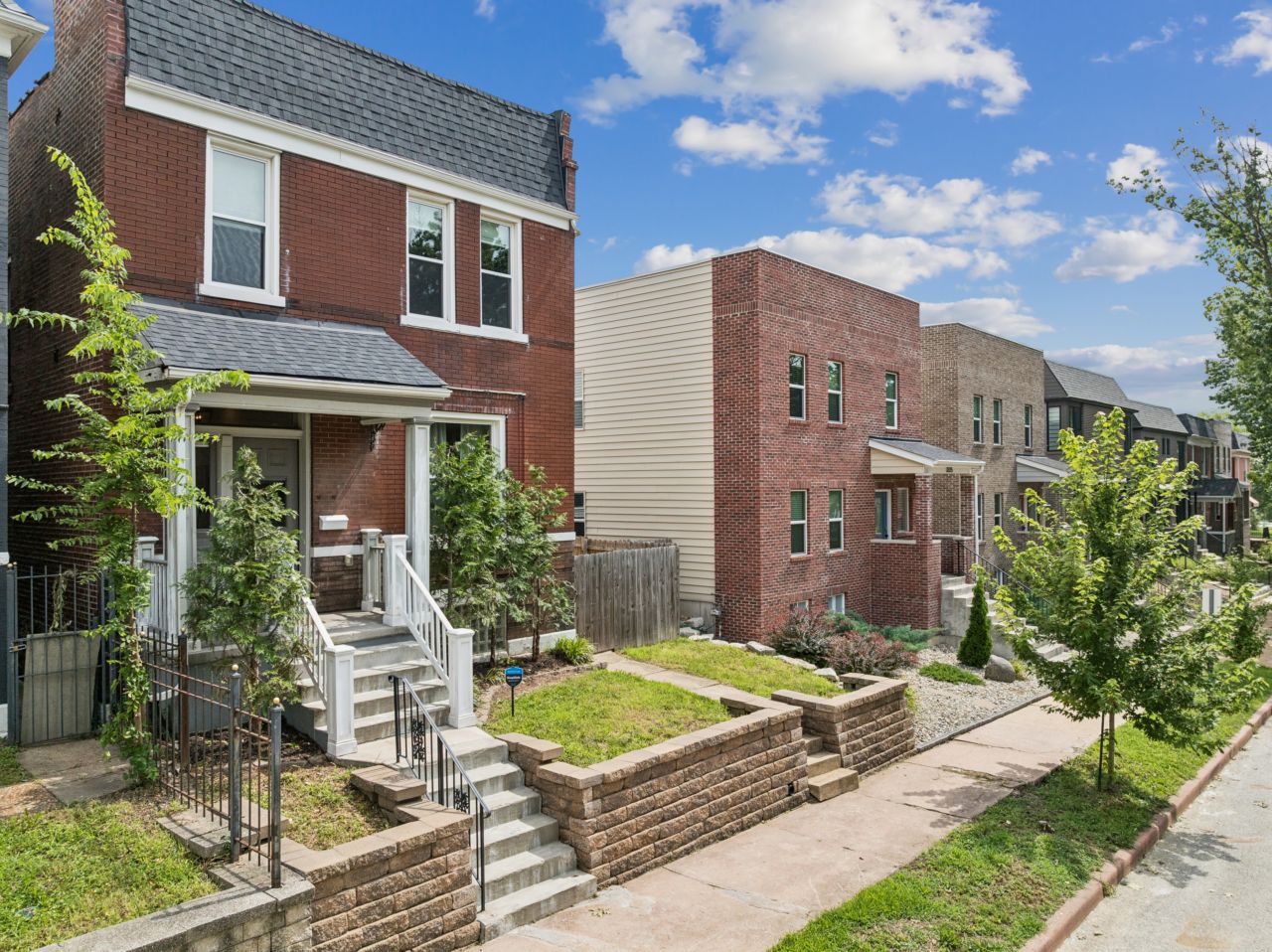
3329 Vista Avenue sits in a neighborhood that has been rewritten, quite literally, more times than almost any other pocket of the city.

We regularly use these same resources to help our clients before, during, and long after closing.

Here are seven of the most popular St. Louis first-time homebuyer programs available.
Partner with a team that values honest advice, strategic guidance, and exceptional service. With decades of experience and over 1,000 successful transactions, we're committed to helping you achieve your real estate goals with confidence.
Planning a move? Thinking about selling? Want to talk real estate?

Dawn Griffin Group
3636 S Geyer Rd Ste #100 St. Louis, MO 63127