Andrea Durway August 23, 2022
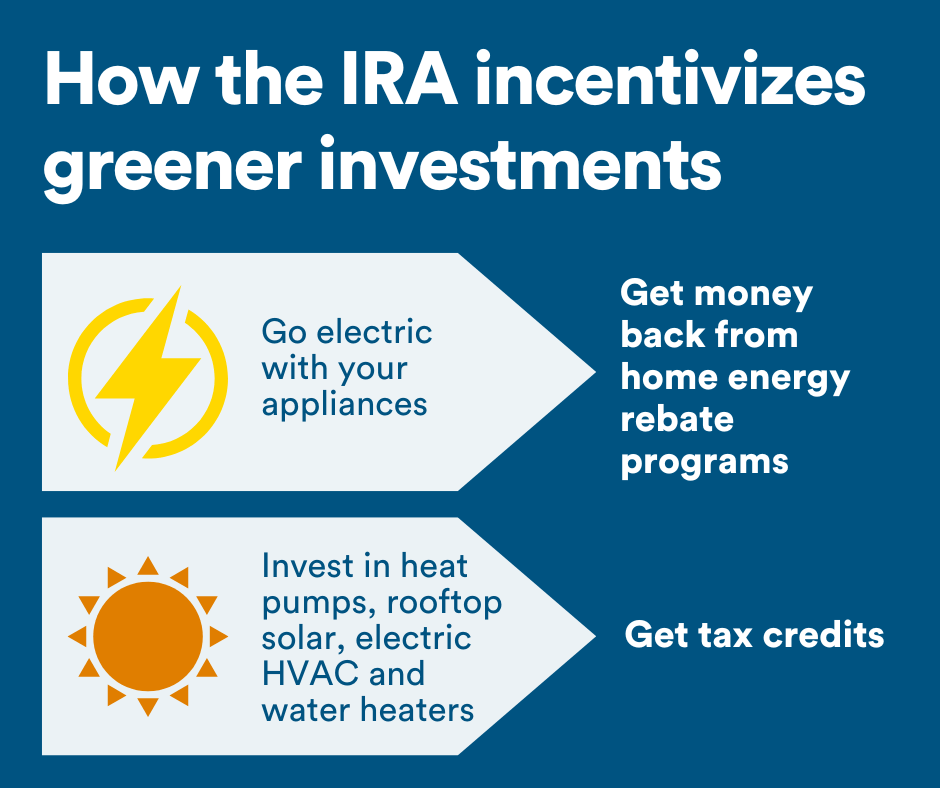
If you have been thinking about home improvements that will boost the energy efficiency of your home, you may save some money on your projects now that the Inflation Reduction Act (IRA) has been signed into law. It’s rare to see federal bills specifically target home renovations like these, so they are worth taking advantage of.
The IRA offers rebates for new technology and for sealing and insulating a home. Within a certain income bracket, you can receive rebates like:
A well-sealed and insulated home can save an average of 15% on heating and cooling costs.
For households earning below 80% of the area median income (AMI), rebate limits are substantial enough to cover the full cost of the project. The typical heat pump, for example, costs anywhere from $4,167 to $7,431 to install, while the maximum rebate allowance for a low-income household is $8,000. Those making 80–150% of the AMI would qualify for a 50% rebate on eligible electrical upgrades.
Tip: Curious if you meet the income requirements for the new energy-efficiency rebates? Fannie Mae offers a free tool to help you find the median income in your area based on zip code.
The IRA also creates tax credits for 30% of the cost of energy efficiency improvements including new windows ($600), doors ($500) and heat pumps ($2,000). Homeowners can claim up to $1,200 per year back on their taxes. Credits for efficiency decrease on the same schedule as solar.
The rebate program will be administered by the states, so the specifics of applying for and receiving rebates may vary, and the program isn’t yet in place.
The IRA is projected to reduce American carbon emissions by 42% by 2050.
The Act will also create a second rebate program, which will pay households between $2,000 and $8,000 for undertaking holistic upgrades which significantly lower their energy waste, such as new insulation or air sealing. The rebate amount will depend on the achieved reduction in energy use.
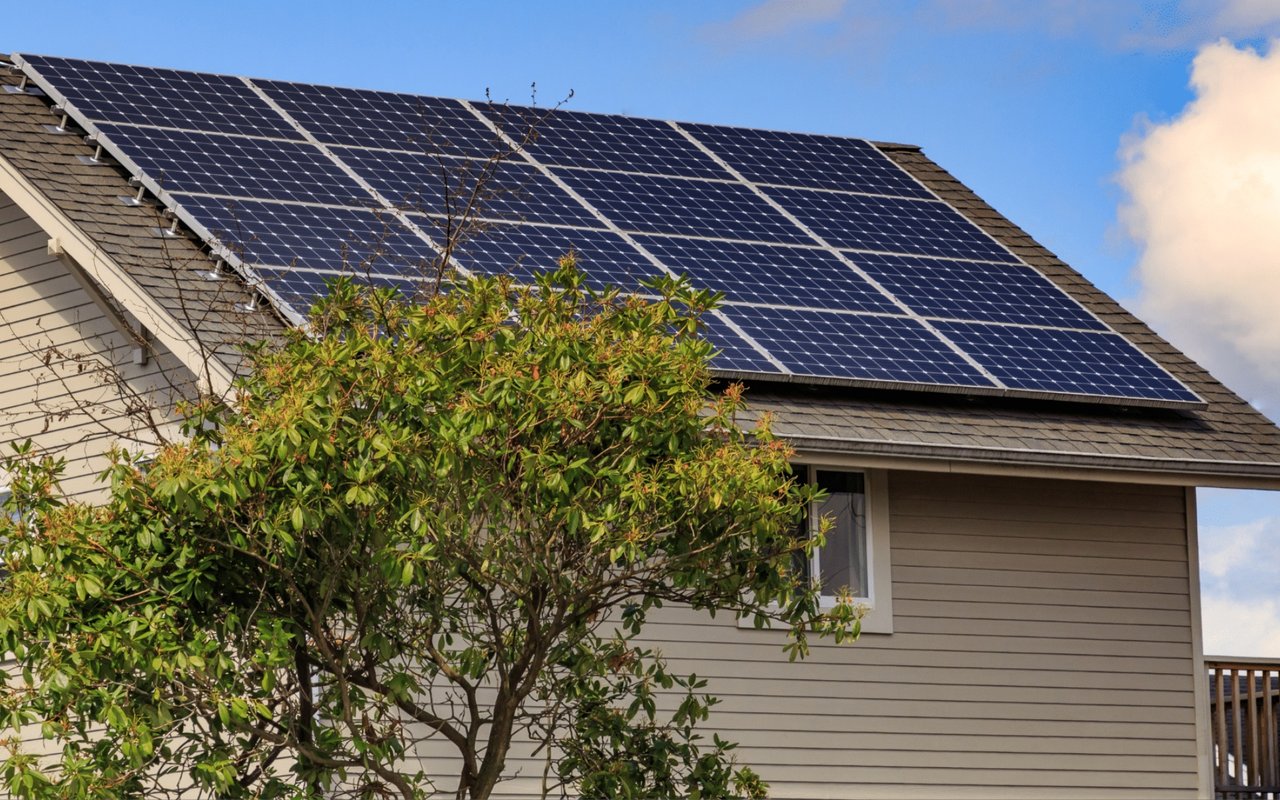
The IRA also makes significant changes to a more familiar tax credit. Under the new rules, the federal solar tax credit for residential solar gets boosted from 26% to 30% and is locked in through 2031. It drops to 26% in 2033 and 22% in 2034. Before, the credit was at 26% and set to decrease to 22% in 2023 before disappearing altogether.
For a new solar array costing $20,000, homeowners can expect to deduct about $6,000 from their tax bill. As an added benefit, anyone who already took the plunge to install solar panels in 2022 can claim the full 30% credit retroactively during the next tax cycle.
These credits can provide valuable tax savings for those interested in installing green home improvements starting in 2023. With some planning, homeowners can now spread the cost of their energy-related home improvements over a few years to claim the maximum tax credits available each year.
Stay up to date on the latest real estate trends.

September 2026 housing numbers and what home buyers and sellers need to know.

Many local butcher shops are longtime neighborhood institutions that still offer something increasingly difficult to find at a supermarket: personal service, specialty… Read more

Recognition
The Dawn Griffin Group is named St. Louis Magazine's Best Real Estate Agent for the third year in a row.

Halfway into the first full season, here are some things I've learned about pool ownership.

Save Big By Finding Dates, Eligible Items and Shopping Limits

New shops and restaurants in downtown Kirkwood and beyond
3329 Vista Avenue sits in a neighborhood that has been rewritten, quite literally, more times than almost any other pocket of the city.

We regularly use these same resources to help our clients before, during, and long after closing.

Here are seven of the most popular St. Louis first-time homebuyer programs available.
Partner with a team that values honest advice, strategic guidance, and exceptional service. With decades of experience and over 1,000 successful transactions, we're committed to helping you achieve your real estate goals with confidence.
Planning a move? Thinking about selling? Want to talk real estate?

Dawn Griffin Group
3636 S Geyer Rd Ste #100 St. Louis, MO 63127