Dawn Griffin March 25, 2026
St. Louis is defined by its neighborhoods, and few have as dramatic a story of Gilded Age wealth and a major urban renaissance as DeBaliviere Place. If you are exploring this coveted area, you are inevitably going to spend time on Pershing Avenue—especially the iconic 5500 block, which showcases the neighborhood’s condensed architectural evolution. Here is the fascinating history behind the condos that line this historic street.
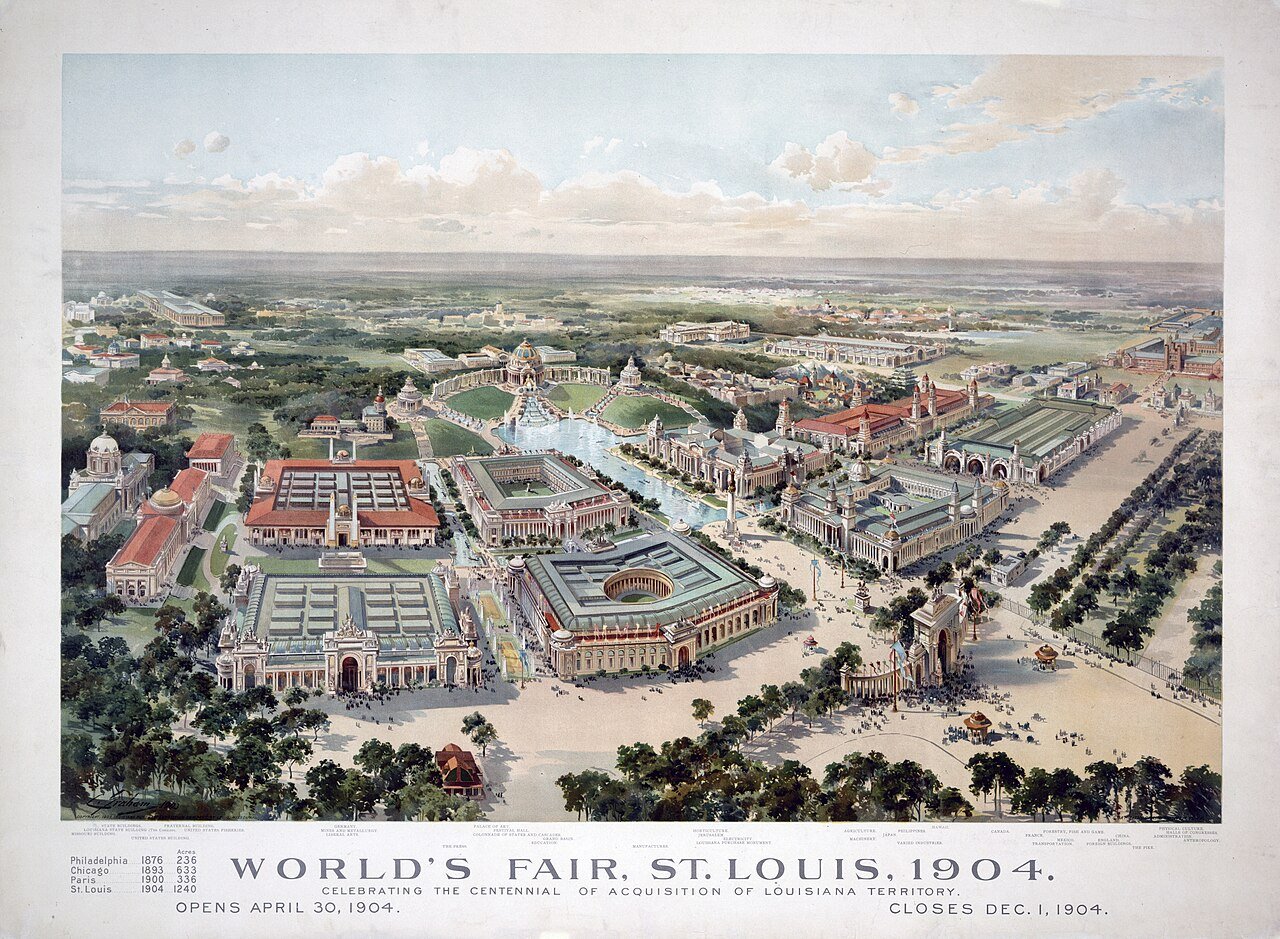
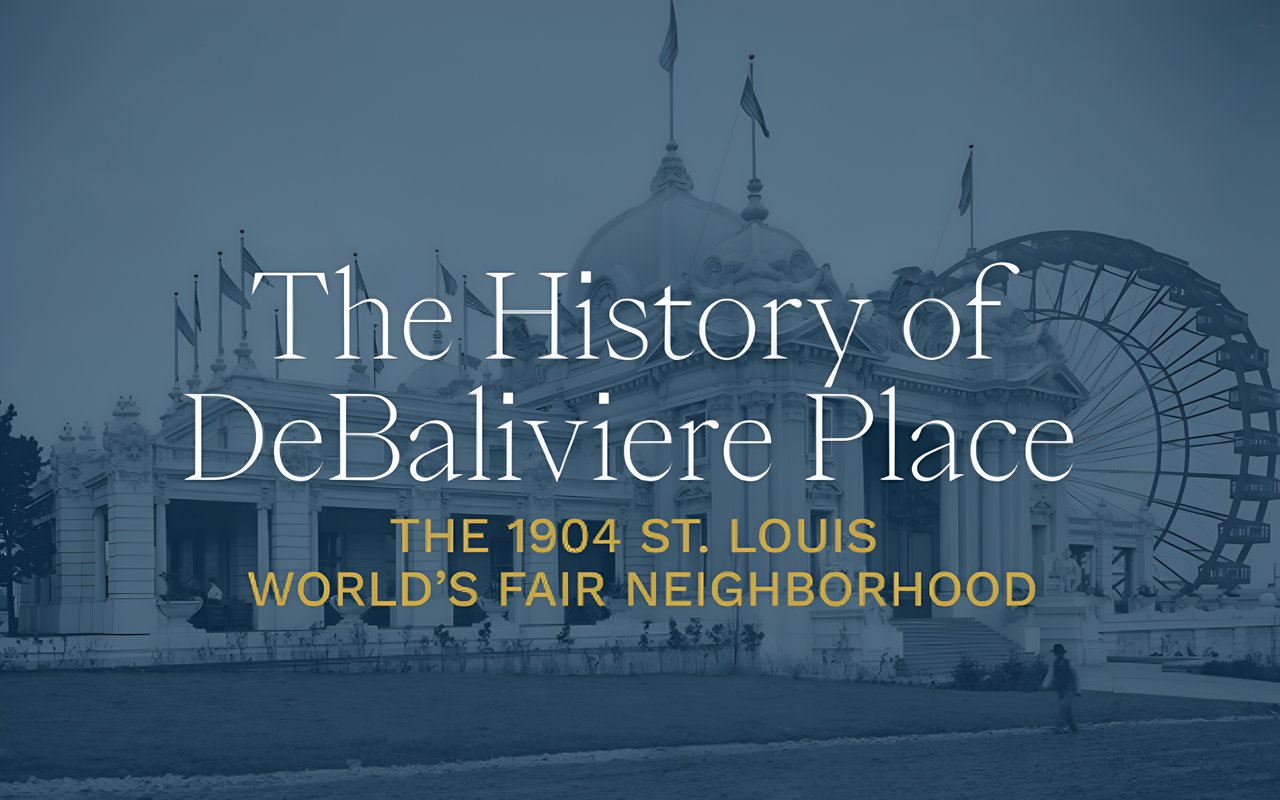
The neighborhood we now know as DeBaliviere Place didn’t exist until the early 20th century. Before the 1904 World’s Fair, this area was primarily rolling hills and a few large estates. The fair in adjacent Forest Park changed everything. Developers anticipated a massive westward migration and built dozens of high-end, ornate apartment buildings to house the city’s middle and upper-middle class.
Prior to World War I, this beautiful street was actually called Berlin Avenue, reflecting St. Louis’s deep German heritage. In 1918, amid intense anti-German sentiment during the war, the city scrubbed the name and rededicated the street to General John J. Pershing, the St. Louis native who commanded the American forces. The buildings, however, remained unchanged—Tudor Revival, Renaissance Revival, and Beaux-Arts architectural masterpieces built for grandeur.
When we talk about the condos on Pershing, we have to remember the context of their birth. They were built on the heels of the 1904 World’s Fair—a project so massive it required burying a river and constructing 1,500 buildings in just two years. The developers of the 5500 block weren’t just building apartments; they were riding the wave of an engineering miracle that had just turned a swampy Forest Park into the center of the world.
While the fair’s buildings were mostly temporary, the neighborhood’s value became very permanent. Here are the three main reasons people were desperate to live here:
St. Louis used the fair as an excuse to perform a massive “urban upgrade” on the West End. While the rest of the city still struggled with coal smoke and unpaved roads, the area around the 5500 block of Pershing was a modern marvel.
The fair transformed Forest Park from a remote, wild park into a world-renowned cultural center.
Developers like Julius Pitzman (who designed many of St. Louis’s “Private Places”) capitalized on the fair’s momentum by creating Parkview and the Catlin Tract.
Historically, there was a clear social ladder: You started in a flat on the 5500 block of Pershing, moved east to a high-rise at Pershing and Union as you gained wealth, and eventually hoped to buy a mansion in the private places behind the gates.
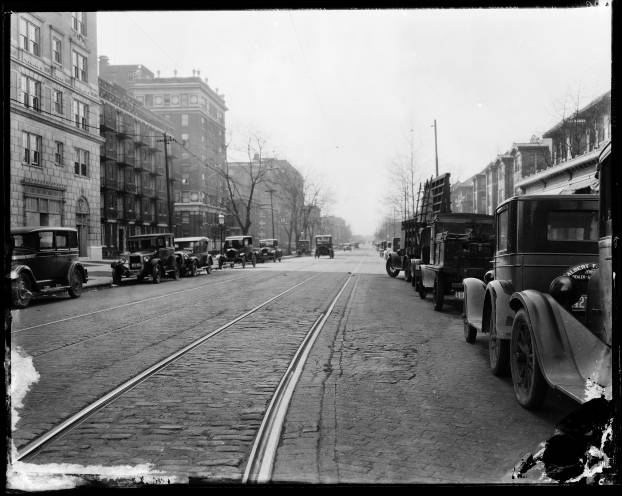
Long before ‘transit-oriented development’ became a buzzword, DeBaliviere Place was the gold standard. In the 1920s, a resident at 5559 Pershing could walk half a block to the streetcar, read the morning paper on a clean electric trolley, and be downtown in minutes. This seamless connection made the neighborhood the most cosmopolitan zip code in St. Louis—a place where you could enjoy the quiet of the park by morning and the bustle of the city by noon.
View west down Pershing Ave. at intersection with Union Blvd. Courtesy of St. Louis Public Library.
By the 1960s and early 70s, the “cosmopolitan” luster of the 5500 block began to fade. Post-war “suburban flight” drew wealth further west to St. Louis County. Many of the grand Pershing Avenue apartments were subdivided into smaller, low-cost rentals. Some fell into high-vacancy disrepair. The area faced the same “urban blight” pressures affecting much of St. Louis. For a decade, it seemed these architectural treasures might face the wrecking ball.
The neighborhood became a symbol of the “inner-city struggle,” characterized by aging infrastructure and a lack of investment. It was against this backdrop of boarded-up windows and overgrown lawns that the neighborhood’s modern savior appeared. He was armed with a radical vision for private urban renewal.
The defining moment for modern DeBaliviere Place was the 1970s private renovation movement led by Leon Strauss. An urban pioneer and preservationist, his Pantheon Corporation and vision changed the face of St. Louis. Kingsbury Square, Columbus Square, Lafayette Towne, and the Lammert Building are some of the notable projects Pantheon was involved with. Strauss and his wife, Mary, rescued and renovated the Fox Theatre.
Strauss didn’t just renovate buildings; he re-invented the neighborhood’s identity. He spearheaded the private investment that converted dozens of massive apartment blocks into individual condominium units. This brought ownership and stability back to the area.
The Security Kiosks: He famously installed gated entries and security booths at the neighborhood boundaries, aiming to give the open apartment blocks the security and cachet of the nearby gated private streets (like Kingsbury Place).
It was this mass condo conversion that preserved the original 1920s architecture we now celebrate.
A Note on the Gates: While the gates and kiosks installed in the 1970s are often credited with stabilizing the neighborhood’s property values, they remain a symbol of St. Louis’s complicated history with ‘private places.’ To many, these barriers represent an era of exclusionary urbanism—an attempt to create a literal boundary between the ‘re-invested’ neighborhood and the social challenges of the wider city. Today, as St. Louis works to become more integrated and accessible, these gates serve as a reminder of the delicate balance between creating security and maintaining the open, inclusive spirit of a truly urban neighborhood.
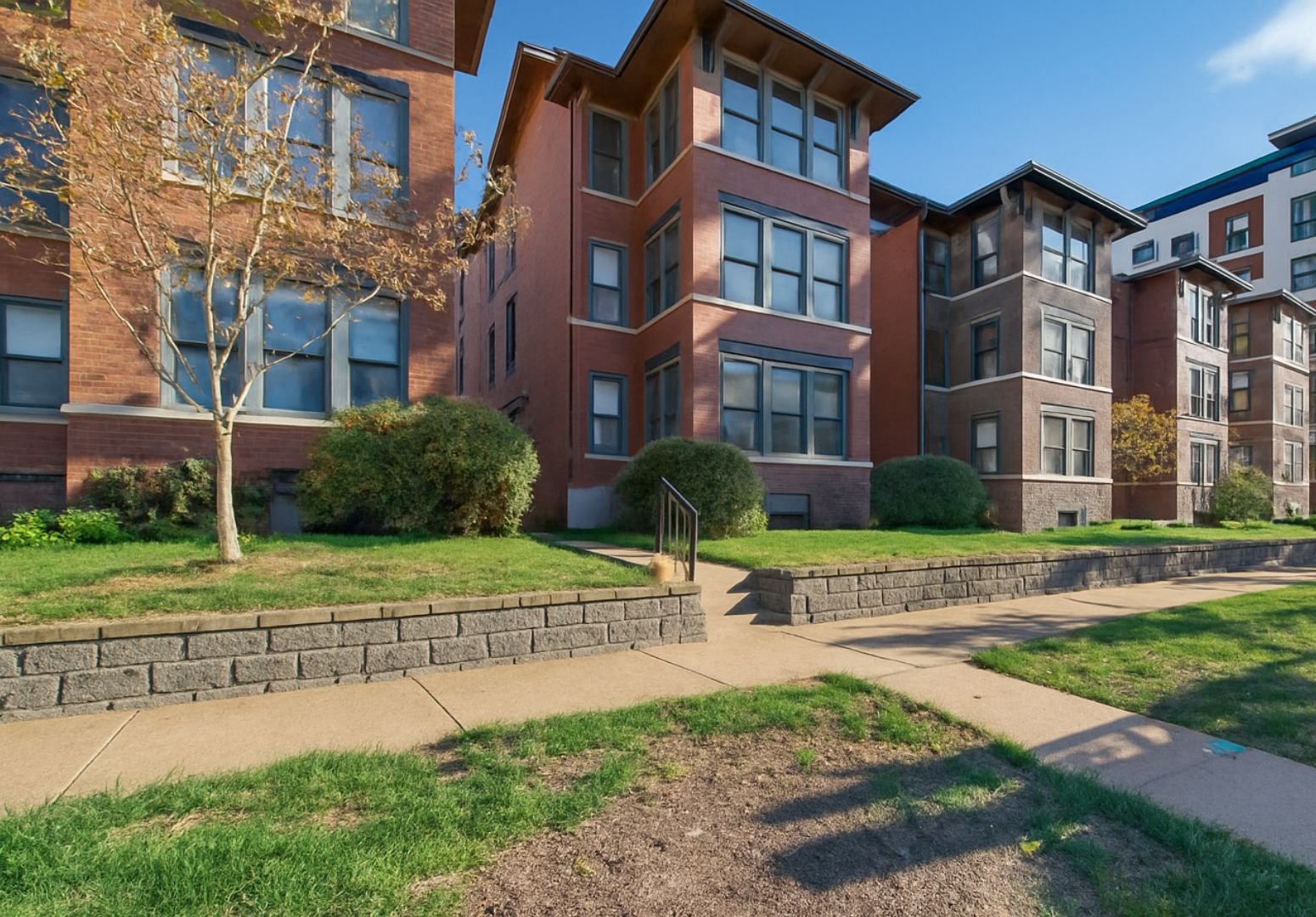
To truly understand this neighborhood, you must understand the architecture. 5559 Pershing is a perfect snapshot of the “grand apartment” era that Strauss worked to preserve.
This traditional three-story red-brick building (built around 1913-1918) was designed for residents who wanted “house-sized” luxury without a mansion’s maintenance. Here is what defines this style:
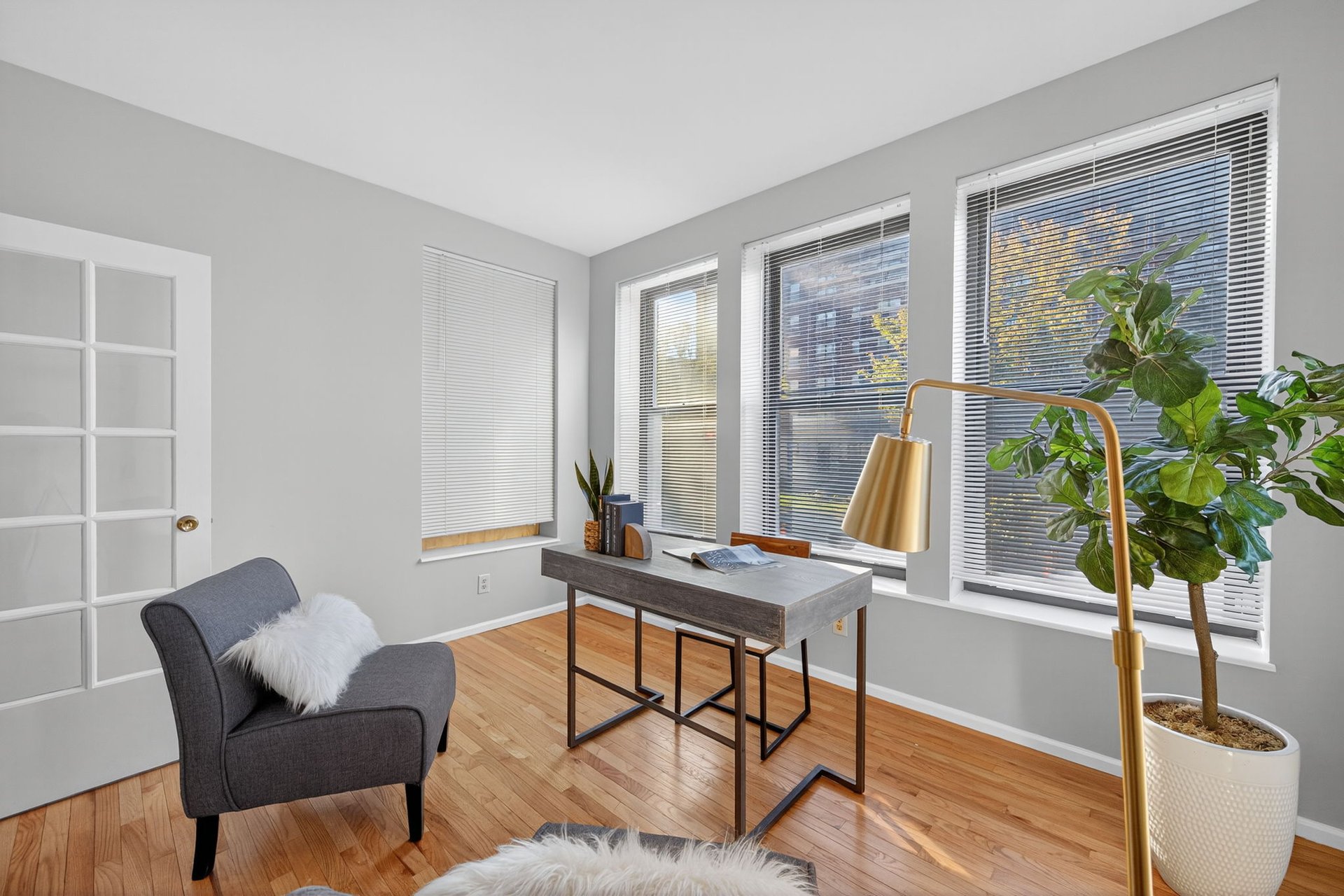
The first-floor condo at 5559 Pershing offers over 1,800 square feet and boasts high ceilings, hardwood floors, a fireplace, a stunning sunroom, two bedrooms, and two full baths. Convenience is key with in-unit laundry and one assigned parking spot in a secure lot. Currently available and listed at $190,000.
The historic condo stock on Pershing is currently being augmented by modern luxury developments. Tribeca and the massive Expo at Forest Park are examples. But the 5500 block, and buildings like 5559 Pershing, remain the anchor of the neighborhood’s historic identity.
Today, ownership in DeBaliviere Place isn’t just about a modern kitchen or proximity to Forest Park. It’s about owning a piece of a preserved Gilded Age vision. A place that has weathered wars and urban revitalization. A place that remains one of St. Louis’s most vital and beautiful urban districts.
Navigating St. Louis’s historic districts requires an expert who knows the stories behind the brick. Whether you’re looking for a pre-war walk-up or a modern high-rise, we can help you find your place in St. Louis history. Contact us today to start your search.
Stay up to date on the latest real estate trends.

September 2026 housing numbers and what home buyers and sellers need to know.

Many local butcher shops are longtime neighborhood institutions that still offer something increasingly difficult to find at a supermarket: personal service, specialty… Read more

Recognition
The Dawn Griffin Group is named St. Louis Magazine's Best Real Estate Agent for the third year in a row.

Halfway into the first full season, here are some things I've learned about pool ownership.

Save Big By Finding Dates, Eligible Items and Shopping Limits
New shops and restaurants in downtown Kirkwood and beyond
3329 Vista Avenue sits in a neighborhood that has been rewritten, quite literally, more times than almost any other pocket of the city.

We regularly use these same resources to help our clients before, during, and long after closing.
Here are seven of the most popular St. Louis first-time homebuyer programs available.
Partner with a team that values honest advice, strategic guidance, and exceptional service. With decades of experience and over 1,000 successful transactions, we're committed to helping you achieve your real estate goals with confidence.
Planning a move? Thinking about selling? Want to talk real estate?
Dawn Griffin Group
3636 S Geyer Rd Ste #100 St. Louis, MO 63127