Andrea Durway April 15, 2026
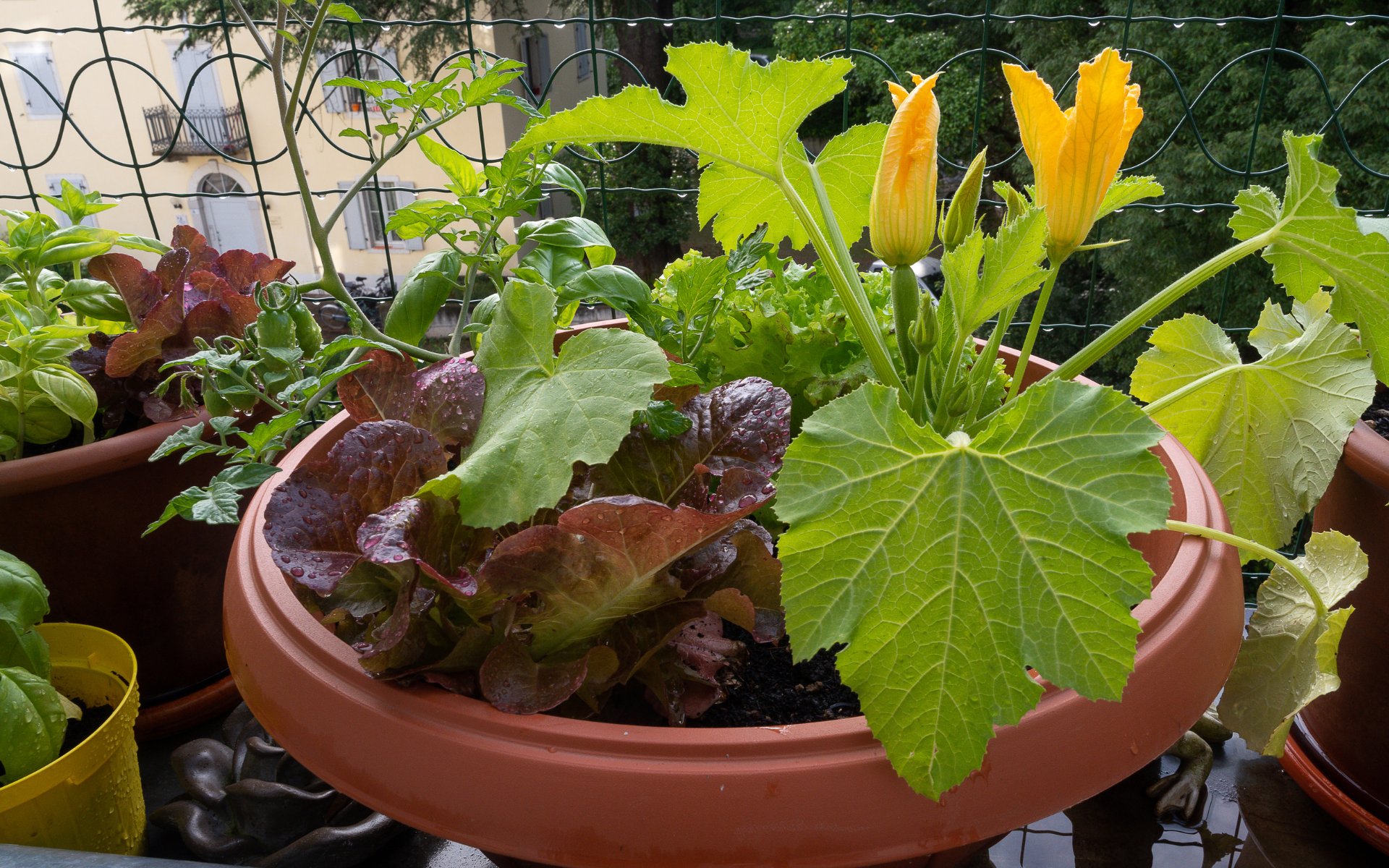
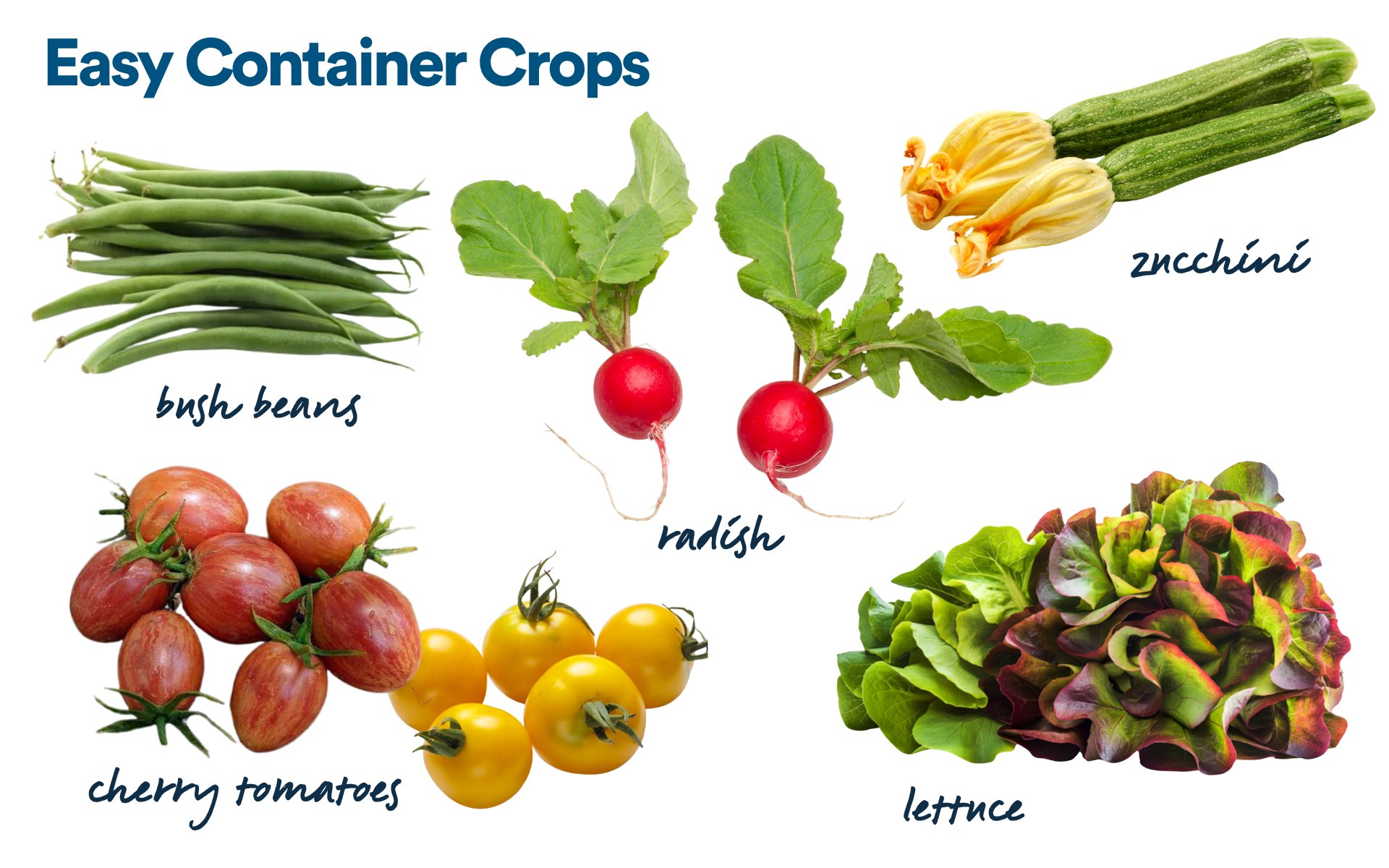
Growing St. Louis container crops is one of the smartest ways to beat rising food prices while transforming a sunny patio into a productive mini-produce stand. These five easy-to-grow varieties serve as the ultimate “science at home” project for kids; watching a tiny seed transform into a crunchy radish or a sweet cherry tomato is pure magic that actually encourages them to eat their veggies. Whether you’re on a balcony in the Central West End or a small deck in Kirkwood, you don’t need a farm to harvest a massive haul.
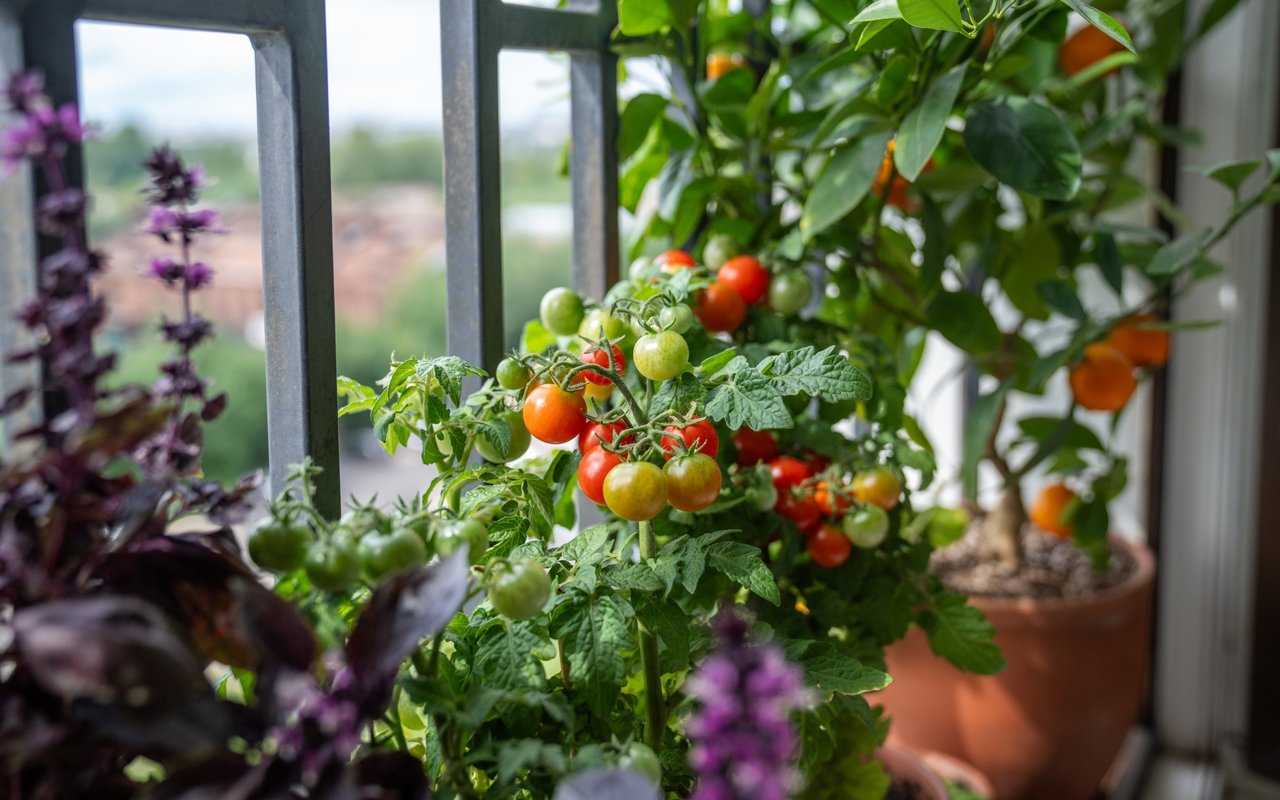
Red Robin is a micro-dwarf that stays under 10 inches tall but produces abundant, sweet cherry tomatoes. Midget Baby Yellow is another micro-dwarf option that grows to about 8 inches tall, perfect for indoor or very small pots, producing 3/4-inch juicy yellow fruit.
While a massive beefsteak tomato can be finicky, cherry tomatoes are the overachievers of the garden. They produce hundreds of fruits on a single plant and are much more resistant to the common diseases that plague larger tomatoes in our humid Midwest summers.
Why It Works: High yield in a small footprint.
The “Non-Gardener” Tip: Look for “determinate” or “bush” varieties (like Tiny Tim or Patio Princess). They only grow to a certain height, so they won’t take over your balcony.
Container Size: 5-gallon bucket (with drainage holes).
Lettuce is the ultimate “instant gratification” crop. It loves the cool Midwest springs (April/May) and can handle a light frost. Unlike head lettuce, “loose-leaf” varieties allow you to “cut and come again”—just snip what you need for a sandwich, and it grows back.
Why It Works: It grows fast (30 days) and thrives in shallow pots.
The “Non-Gardener” Tip: Don’t plant them all at once. Sow a few seeds every two weeks so you have a fresh supply all summer.
Container Size: Shallow window boxes or even a recycled plastic bin (6 inches deep).
Standard “pole” beans require trellises and a lot of vertical work. Bush beans, however, grow into compact little mounds and dump a massive amount of pods all at once. They are incredibly sturdy and don’t mind the occasional Midwest thunderstorm.
Why It Works: No staking or cages required; they support themselves.
The “Non-Gardener” Tip: Try the Blue Lake Bush variety. It’s legendary for producing a “heavy set” of beans even if you forget to water it for a day.
Container Size: 2 to 3-gallon pot.
If you want to feel like a pro in record time, plant radishes. In the Midwest, you can get these in the ground as soon as the snow melts. They go from seed to salad in about 25–30 days.
Why It Works: They are almost impossible to mess up and take up very little room.
The “Non-Gardener” Tip: If you wait too long to harvest, they get “spicy” and woody. Pick them when they are about the size of a marble!
Container Size: Any pot at least 6 inches deep.
Astia is the most common variety of container zucchini. Others to consider include: Golden Zucchini, a prolific, yellow-skinned bush variety that adds color, or Spacemaker, which was specifically bred to be a space-saving plant, ideal for smaller containers.
Zucchini has a reputation for being a space-hog, but breeders have created “compact” or “bush” versions specifically for patio gardeners. These plants are prolific; one plant can often provide enough zucchini to feed a small family for the summer.
Why It Works: Massive “bang for your buck” and very few pests bother them in containers.
The “Non-Gardener” Tip: Look for the Patio Star or Astia varieties. They stay in a neat clump rather than vining across your entire floor.
Container Size: 5-gallon pot or larger.
Never use soil from your yard in a pot; it’s too heavy and contains clay that will suffocate your plants. Buy a bag of “Potting Mix”—it’s fluffy and designed to drain.
Most of these need at least 6 hours of direct sunlight. If your balcony faces North, stick to the lettuce and radishes.
Containers dry out much faster than the ground. In the heat of July, give your pots a drink every morning before you head to work.
Plant | When to Move Outside | Notes for STL Weather |
|---|---|---|
Lettuce & Radishes | Mid-April | They love the cool 50–60°F temps. |
Bush Beans | Late-April | Wait for the soil to feel warm to the touch. |
Cherry Tomatoes | Early May | Wait for consistent night temps above 50°F. |
Zucchini | Mother’s Day Weekend | Wait for consistent night temps above 50°F. |
Rolling Ridge Nursery (Webster Groves) is one of the best local sources for edible container crop gardening. They stock a wide array of “bush” vegetable varieties and culinary herbs that are already started and ready to be transplanted. Their staff can help you pick the exact organic potting mix needed to keep heavy-feeding plants like tomatoes healthy in a confined space.
Sugar Creek Gardens (Kirkwood) is a standout for compact and dwarf edible varieties. They often stock specialized “patio” versions of vegetables, like bush-style zucchini and determinate tomatoes, which are specifically designed to produce high yields without outgrowing their containers. Their plant labels are incredibly detailed, helping you choose the right crop for your specific sun exposure.
Bowood Farms (Central West End) offers a more curated and aesthetic approach to edibles. You’ll find high-quality organic seeds and starter plants that work well in decorative “kitchen garden” pots. Their selection often includes beautiful varieties of kale, peppers, and Swiss chard that serve as both food and visual interest for a city balcony or a small Kirkwood deck.
Seed St. Louis: They host regular virtual and in-person classes on topics ranging from small pots to large repurposed containers. Recordings are often available on their YouTube channel.
Missouri Botanical Garden: Their Kemper Center for Home Gardening is the ultimate resource for seeing container setups in person before you buy.
Which “patio crop” are you most excited to try? If you’re looking for a specific variety or have a question about your balcony setup, reach out or send me a DM—I’d love to see your progress!
Stay up to date on the latest real estate trends.

September 2026 housing numbers and what home buyers and sellers need to know.
Many local butcher shops are longtime neighborhood institutions that still offer something increasingly difficult to find at a supermarket: personal service, specialty… Read more

Recognition
The Dawn Griffin Group is named St. Louis Magazine's Best Real Estate Agent for the third year in a row.
Halfway into the first full season, here are some things I've learned about pool ownership.
Save Big By Finding Dates, Eligible Items and Shopping Limits
New shops and restaurants in downtown Kirkwood and beyond
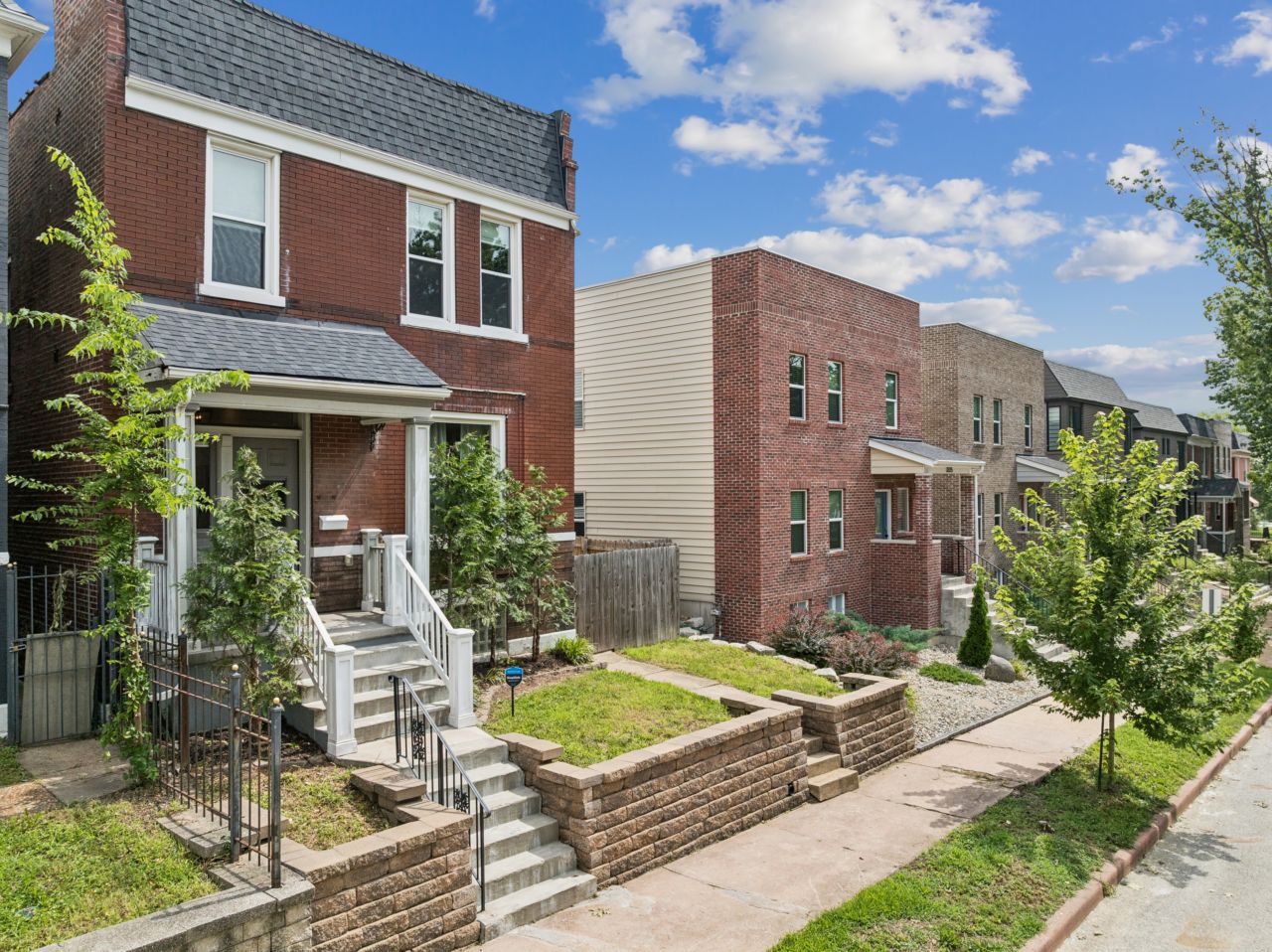
3329 Vista Avenue sits in a neighborhood that has been rewritten, quite literally, more times than almost any other pocket of the city.

We regularly use these same resources to help our clients before, during, and long after closing.
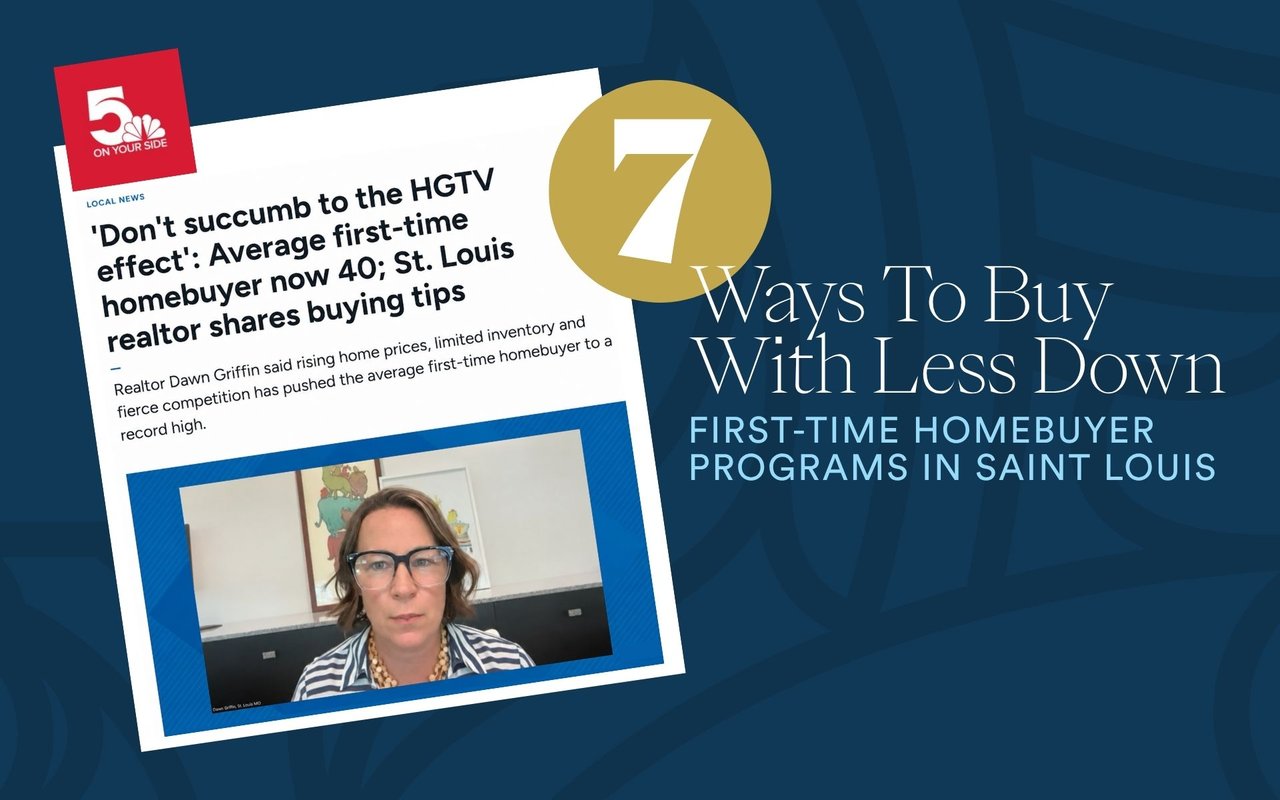
Here are seven of the most popular St. Louis first-time homebuyer programs available.
Partner with a team that values honest advice, strategic guidance, and exceptional service. With decades of experience and over 1,000 successful transactions, we're committed to helping you achieve your real estate goals with confidence.
Planning a move? Thinking about selling? Want to talk real estate?

Dawn Griffin Group
3636 S Geyer Rd Ste #100 St. Louis, MO 63127