
Posted by Dawn Griffin
St. Louis Housing Market July 2026
More Homes, More Choices — But St. Louis Home Prices Are Still Climbing
If the St. Louis housing market has felt a little different lately, the numbers suggest you’re not imagining it.
After years when buyers often had frustratingly few homes to choose from, inventory is beginning to loosen up. At the same time, home values have continued to climb — creating a market that is a little less frantic, but still decidedly competitive.
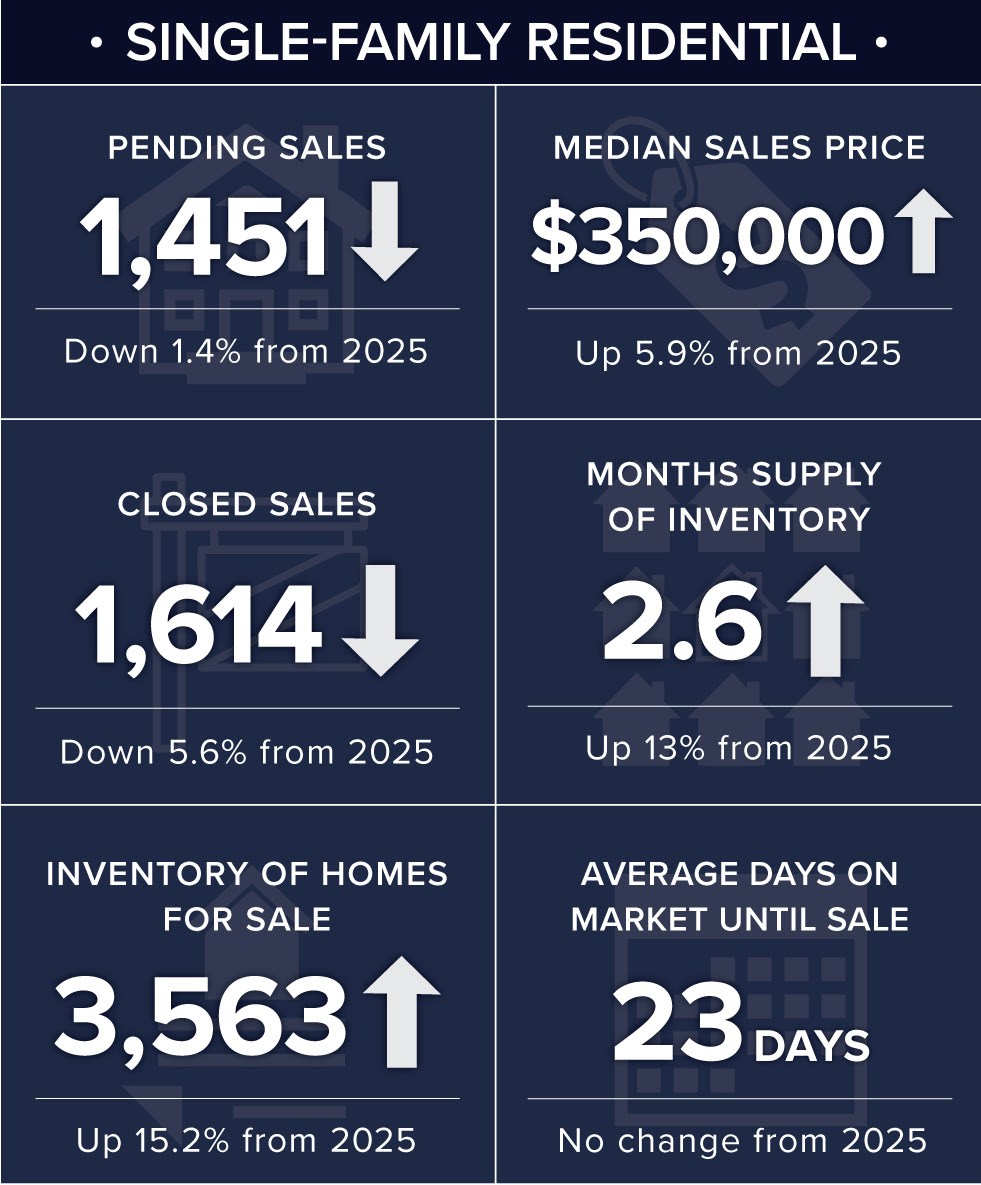
According to the latest July 2026 housing data from St. Louis REALTORS® and MARIS, there were 3,563 single-family homes actively for sale, a 15.2% increase from July 2025.
That’s meaningful. Buyers have more options than they did a year ago, and they may have a little more time to compare properties rather than feeling like every house requires an immediate decision.
But more inventory hasn’t translated into falling prices.
The Median St. Louis Home Hit $350,000
The median sales price for a single-family home reached $350,000 in July, up 5.9% from a year earlier.
That’s an important counterpoint to some of the national housing headlines. Locally, we’re seeing more homes come onto the market without the kind of oversupply that would typically put significant downward pressure on prices.
St. Louis had about a 2.6-month supply of single-family homes in July. In very simple terms, that estimates how long it would take to sell the homes currently available if no new listings entered the market.
That’s more supply than we’ve had. But it is certainly not a glut of homes.
Homes Are Still Selling Pretty Quickly
The average single-family home spent 23 days on the market in July — exactly the same as a year ago.
Closed sales did decline 5.6% year over year, while pending sales were down a much smaller 1.4%. That combination suggests a market that has moderated from the breakneck pace of recent years without suddenly losing buyer demand.
And, as always in St. Louis, the citywide numbers only tell part of the story.
A beautifully prepared home in Kirkwood, Webster Groves or a sought-after city neighborhood can behave very differently from another property just a few miles away. Condition, price point, school district, architecture and even the amount of competing inventory within a particular neighborhood can dramatically change the experience for both buyers and sellers.
Condos Are Giving Buyers Even More Breathing Room
The condominium and townhouse market is showing a somewhat bigger shift.
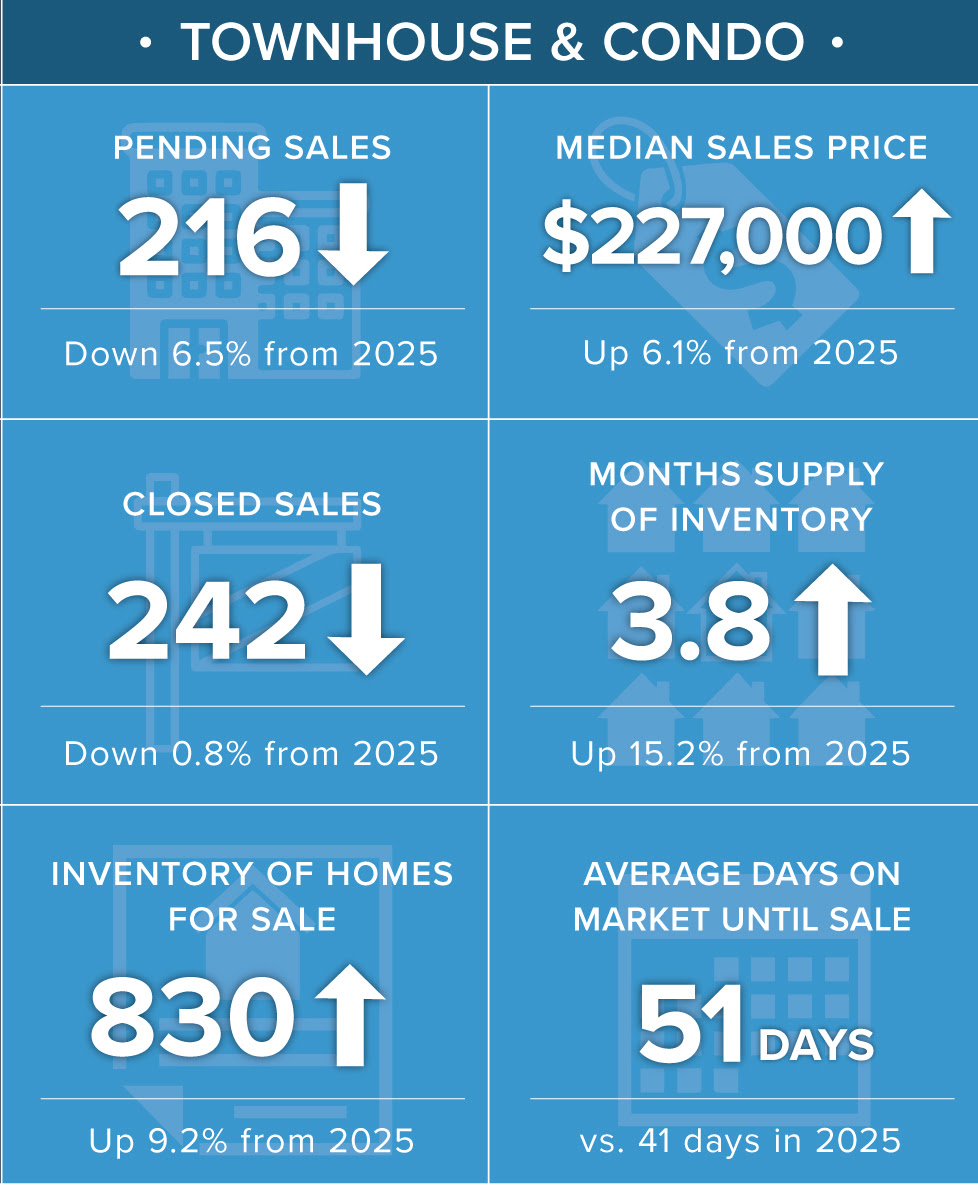
Active inventory increased 9.2%, while the supply of available units reached approximately 3.8 months. Homes in this category averaged 51 days on market, compared with 41 days last July.
Yet prices still increased: the median condo and townhouse sale price reached $227,000, up 6.1% year over year.
For buyers, particularly those considering condos or townhomes, that combination may create opportunities that were harder to find a couple of years ago: more selection, more time to evaluate a property and, in some cases, more room to negotiate. (See our current inventory of condos.)
So, Is St. Louis Becoming a Buyer’s Market?
Not quite. A better description might be a more balanced seller’s market.
Buyers have gained something they badly needed: choice. Sellers, meanwhile, are still benefiting from relatively limited inventory and continued price appreciation.
What has changed is the margin for error.
When inventory was exceptionally scarce, buyers sometimes overlooked condition or aggressive pricing simply because there wasn’t much else available. As more homes enter the market, sellers have more competition. Preparation, presentation and accurate pricing matter more now than they did during the most extreme inventory shortages.
For buyers, the improving selection is welcome — but desirable, well-priced homes can still move quickly.
Perhaps that’s the most useful takeaway from this month’s numbers: the St. Louis market isn’t suddenly swinging from sellers to buyers. It’s becoming more nuanced.
And in a city made up of dozens of very different neighborhoods, municipalities and micro-markets, that’s where the broad statistics stop and the local data starts.
National Headlines Don’t Tell You What Your House is Worth
St. Louis is a collection of very different neighborhoods and micro-markets. If you’re curious about your home’s value — or what the market looks like where you want to buy — we’d be happy to give you a more local perspective. Let’s talk about your market.