

Posted by Andrea Durway
Roofing Types St Louis: What to Know About Cost, Lifespan & Hail
Roofing types St. Louis homeowners choose aren’t just about style—they’re about how well your home holds up when the weather turns. In a region where hail and severe storms are constant variables, your roof serves as much more than a design choice. It is your first line of defense, a tool for long-term cost control, and a critical factor in determining your home insurance premiums.
The Insurance Institute for Business & Home Safety (IBHS) has an excellent Roofing Roadmap that brings together research on wind and hail performance of roofs to educate stakeholders on these factors and ultimately provide guidance on the best (and worst) roof systems.
If you’re replacing a roof—or starting to think about it—understanding your options now can help you make a smarter decision later.
Roofing Types St Louis Homeowners Are Choosing (And Why It’s Changing)
For the majority of homes, the starting point is asphalt shingles. They’re affordable, widely used, and generally accepted across all price points and neighborhoods. Most last 20–30 years, depending on quality. But what’s changed isn’t the material itself. It’s what homeowners are choosing within that category.
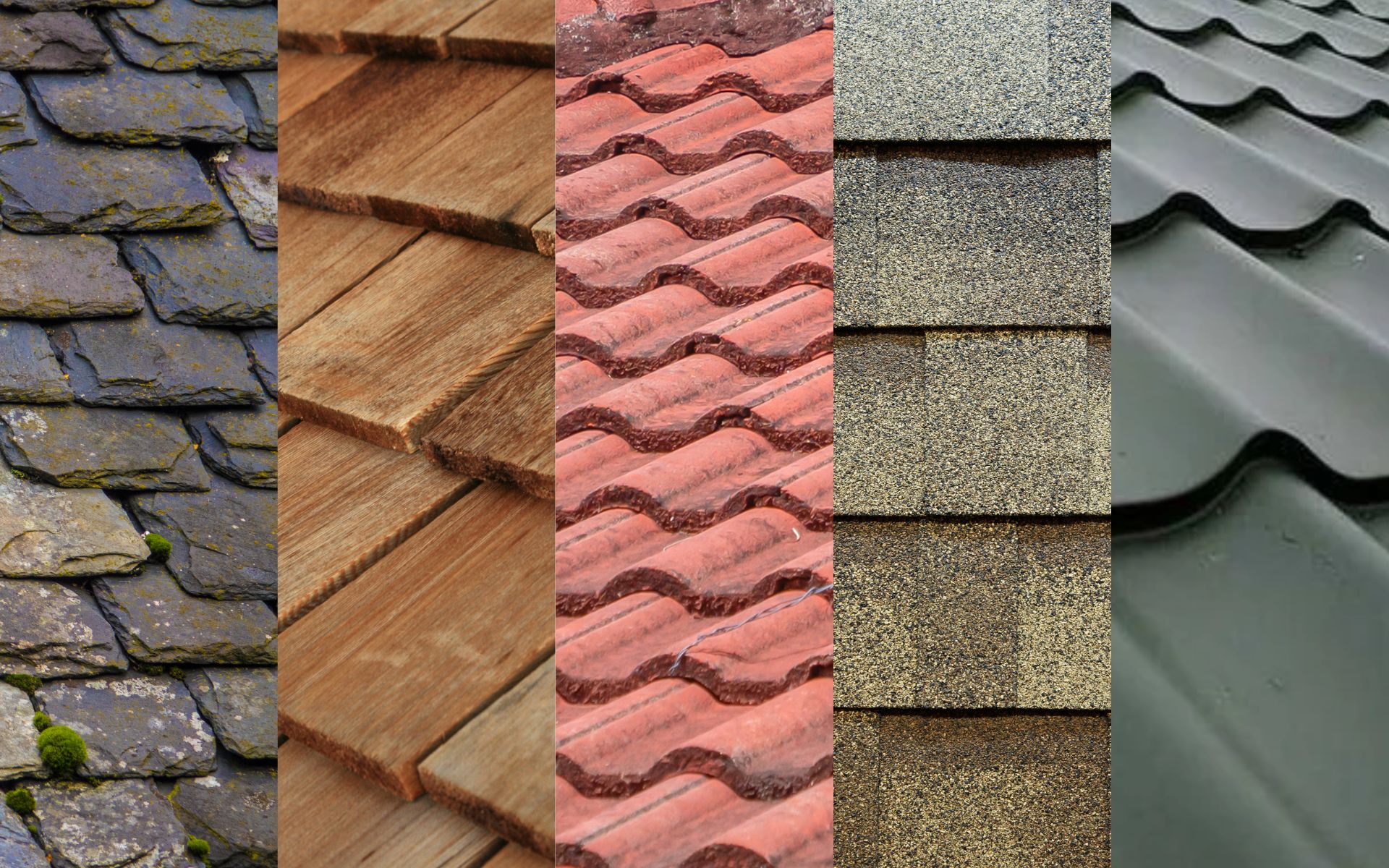
Asphalt Shingles: The Most Common Roofing Type in St Louis
This is one of the most important distinctions to understand right now.
Standard Asphalt Shingles
- Lifespan: 15–30 years
- Cost: $ (most affordable)
- Hail Resistance: Moderate
- Best for: Budget-conscious replacements and resale flexibility
Class 4 Impact-Resistant Shingles: A Smarter Choice for Hail-Prone Areas
These are still asphalt shingles—but engineered to withstand hail impact at the highest rating level.
- Lifespan: 20–30 years
- Cost: $$ (moderate increase over standard)
- Hail Resistance: High
- Best for: Storm protection + long-term cost control
Why Class 4 Is Gaining Attention
- Designed to resist cracking and splitting from hail
- Can reduce the likelihood of full roof replacement after a storm
- Often qualifies for insurance discounts of 15–30%
For many homeowners, that translates to:
- Hundreds of dollars saved annually
- A meaningful offset to the upfront upgrade
In a hail-prone market like St. Louis, this isn’t just a product upgrade—it’s a risk decision.
Other Roofing Types for Pitched Roofs (Metal, Slate, Tile, and More)
For homeowners thinking beyond asphalt, there are several other materials worth considering—each with a different balance of cost, longevity, and performance.
Metal Roofing: Built for Longevity
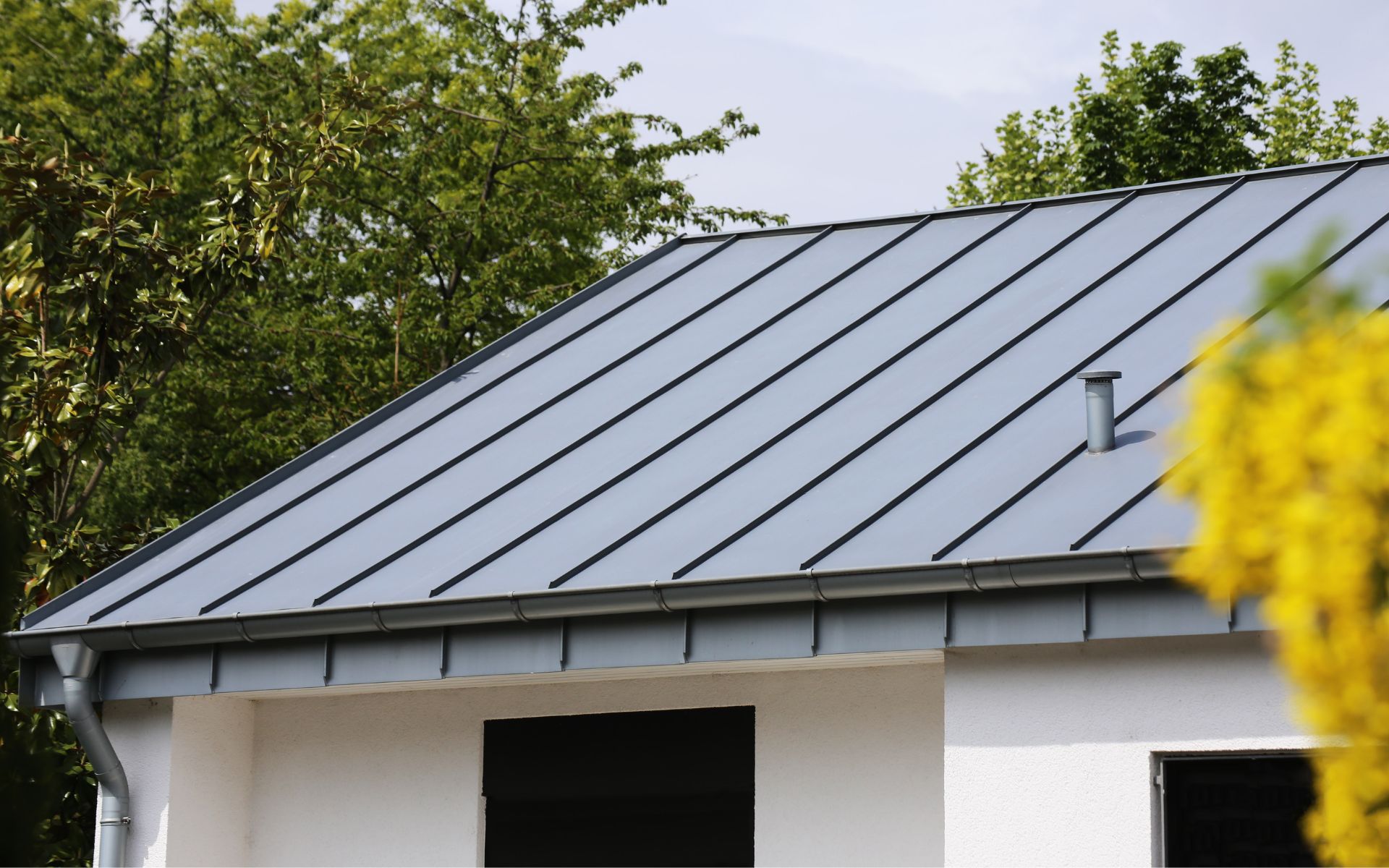
Metal roofs are typically made from aluminum, steel, copper, or zinc—each with its own durability, cost, and appearance. They’re available in a range of styles, including standing seam, corrugated panels, stone-coated systems, and metal shingles designed to mimic traditional roofing materials.
- Lifespan: 40–70+ years
- Cost: $$$
- Hail Resistance: High
- Eco-Friendly: High
Pros
- Extremely durable in severe weather
- Reflects heat (energy efficiency)
- Often made from recycled materials
Cons
- Higher upfront cost
- Requires specialized installation
Best for: Homeowners planning to stay long-term and minimize future replacements
Wood Shingles & Cedar Shakes: Character Over Convenience
Wood roofing is typically made from cedar, redwood, or pine. Homeowners can choose between wood shingles (machine-cut for a more uniform look) and wood shakes (hand-split for a more rustic, textured appearance), each offering a slightly different aesthetic and level of durability.
- Lifespan: 25–40 years
- Cost: $$
- Hail Resistance: Low
- Eco-Friendly: Moderate
Pros
- Natural, architectural look
- Strong curb appeal for historic homes
Cons
- Higher maintenance
- Vulnerable to moisture, insects, and fire
Best for: Homes where aesthetic matters more than durability
Clay & Concrete Tile: Long Lifespan, Specific Fit
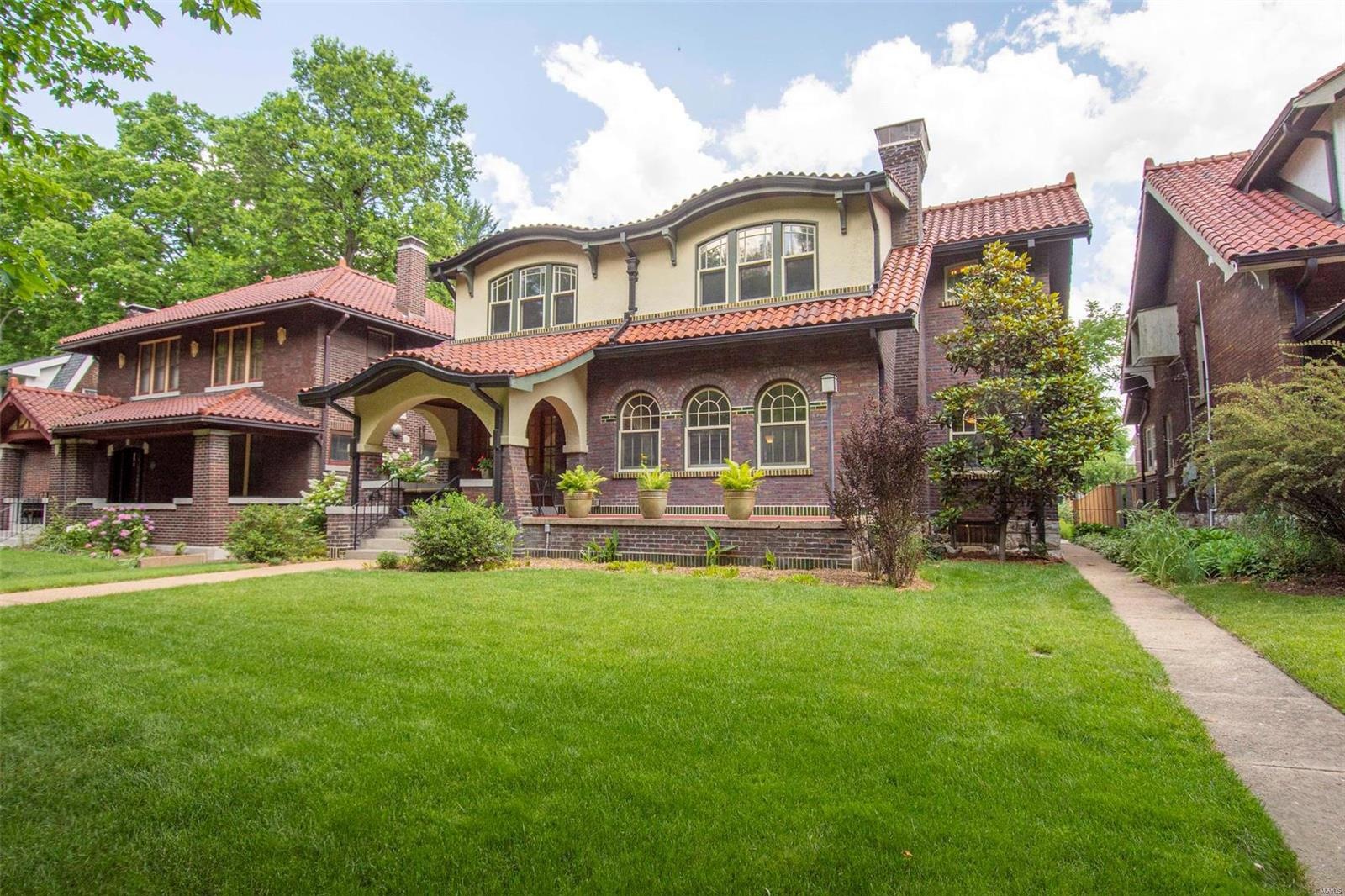
Tile roofing is most commonly made from either natural clay or concrete, with concrete offering a more affordable and versatile option. Styles range from traditional barrel (Spanish) tile to flat and interlocking profiles, allowing for a variety of architectural looks.
- Lifespan: 50–100+ years
- Cost: $$$
- Hail Resistance: Moderate (can crack under impact)
- Eco-Friendly: High
Pros
- Extremely long-lasting
- Fire-resistant
- Distinctive architectural style
Cons
- Heavy (may require structural support)
- Not ideal for all climates
Best for: Mediterranean or Spanish-style homes
Slate Roofing: A True “Forever Roof”
Slate roofs can be made from natural quarried stone or synthetic slate alternatives designed to mimic the look with less weight. Natural slate varies in thickness, color, and longevity, while synthetic options offer more flexibility in installation and cost.
- Lifespan: 75–100+ years
- Cost: $$$$
- Hail Resistance: High
- Eco-Friendly: High
Pros
- Exceptional longevity
- Timeless, high-end appearance
Cons
- Very expensive
- Requires specialized repair
Best for: Luxury homes and legacy properties
Composite Roofing: The Balanced Option
Composite roofing is manufactured from a blend of materials such as recycled plastics, rubber, and polymers. These products are designed to replicate the look of wood shakes, slate, or tile, and often come in a variety of colors and profiles, with some offering impact-resistant (Class 4) ratings.
- Lifespan: 40–50+ years
- Cost: $$$
- Hail Resistance: High (often Class 4 rated)
- Eco-Friendly: Moderate–High
Pros
- Mimics slate or wood without the drawbacks
- Lighter weight
- Durable and lower maintenance
Cons
- Higher upfront cost than asphalt
- Quality varies by manufacturer
Best for: Homeowners who want durability + design flexibility
Eco-Friendly Roofing Options and Long-Term Value
If sustainability is part of your decision, the biggest factor isn’t just material—it’s lifespan.
- Longer-lasting roofs = less waste over time
- Metal, slate, and tile rank highest
- Composite often incorporates recycled materials
- Asphalt, while common, typically has the shortest lifecycle
Quick Comparison of Roofing Types
| Material | Lifespan | Cost | Hail Resistance | Maintenance | Eco-Friendly |
|---|---|---|---|---|---|
| Asphalt | 15–30 yrs | $ | Moderate | Low | Low |
| Asphalt (Class 4) | 20–30 yrs | $$ | High | Low | Low |
| Metal | 40–70 yrs | $$$ | High | Low | High |
| Wood | 25–40 yrs | $$ | Low | High | Moderate |
| Tile | 50–100 yrs | $$$ | Moderate | Low | High |
| Slate | 75–100+ yrs | $$$$ | High | Low | High |
| Composite | 40–50 yrs | $$$ | High | Low | Moderate–High |
What This Means for Homeowners (and Future Buyers)
The conversation around roofing has shifted. It’s no longer just: “Is the roof new?”
It’s:
- What is it made of?
- How will it perform in a storm?
- Will it create insurance issues—or help avoid them?
For sellers, this matters more than ever.
A roof that’s built for the conditions we actually live in doesn’t just protect your home—it becomes part of the story you’re telling when it’s time to sell.

Frequently Asked Questions About Roofing Types in St. Louis
What type of roof lasts the longest in St. Louis?
Slate and clay tile roofs typically last the longest in St. Louis, often 50–100+ years when properly maintained. Metal roofing can also have a very long lifespan. However, Missouri weather—including hail, high winds, humidity, and temperature swings—can impact longevity depending on installation quality and maintenance.
What roofing material is best for hail in St. Louis?
Impact-resistant asphalt shingles and many metal roofing systems tend to perform well during hail storms. Because severe weather is common in the St. Louis area, many homeowners are prioritizing durability and insurance considerations alongside appearance when choosing a new roof.
Are clay tile roofs common in St. Louis?
Yes. Clay tile roofs are especially common on historic homes in neighborhoods like Shaw, Compton Heights, Lafayette Square, and parts of Central West End. They are prized for their longevity and architectural character, though repairs and replacement can be more specialized and expensive than asphalt roofing.
How long do asphalt shingle roofs last in Missouri?
Most asphalt shingle roofs in Missouri last around 15–30 years depending on material quality, ventilation, weather exposure, and maintenance. Architectural shingles generally last longer than basic 3-tab shingles.
Does a new roof increase home value?
A newer roof can absolutely improve resale appeal and buyer confidence. Many buyers see a newer roof as a major advantage because it reduces near-term maintenance concerns and may improve insurability. In competitive markets, roof condition can strongly influence offers and inspection negotiations.
Are metal roofs a good option in St. Louis?
Metal roofs are becoming increasingly popular in St. Louis because they are durable, energy efficient, and resistant to many weather-related issues. Standing seam metal roofs are especially popular on modern homes and renovations, though the upfront cost is typically higher than asphalt shingles.
Can homeowners insurance affect roofing choices?
Yes. Some insurance companies offer discounts for impact-resistant roofing materials because they may reduce storm-related claims. In areas like St. Louis where hail and wind events are common, roofing material can sometimes influence premiums and insurability.
What roofing materials are most common on older St. Louis homes?
Many older St. Louis homes feature slate, clay tile, wood shake, or architectural asphalt shingles depending on the age and style of the property. Historic neighborhoods often have roofing materials chosen to match original architecture and preserve curb appeal.
How do I know when it’s time to replace a roof?
Signs may include missing shingles, curling edges, granule loss, leaks, sagging, repeated repairs, or storm damage. Even if there are no active leaks, an aging roof nearing the end of its lifespan may become a concern during a home sale or insurance renewal.
Should I replace my roof before selling my home?
Not always—but it depends on the roof’s condition, the neighborhood, price point, and buyer expectations. In some cases, replacing an aging roof before listing can improve marketability and reduce inspection negotiations. In others, strategic pricing or repair credits may make more sense. A local real estate professional can help evaluate which approach is best for your situation.
Final Thought
Most homeowners don’t think about their roof until they have to. But the smartest decisions happen when you zoom out and ask:
Not just “What does this cost?”
But “What does this protect me from?”
Because in St. Louis, that answer is becoming clearer every year. Reach out if you have any questions. If we can’t answer them, we work with a great insurance broker who has a wealth of information on this topic, as well as some trusted roofers.