
Posted by Dawn Griffin
Midwest Data Centers: 5 Ways to Lower Energy Costs
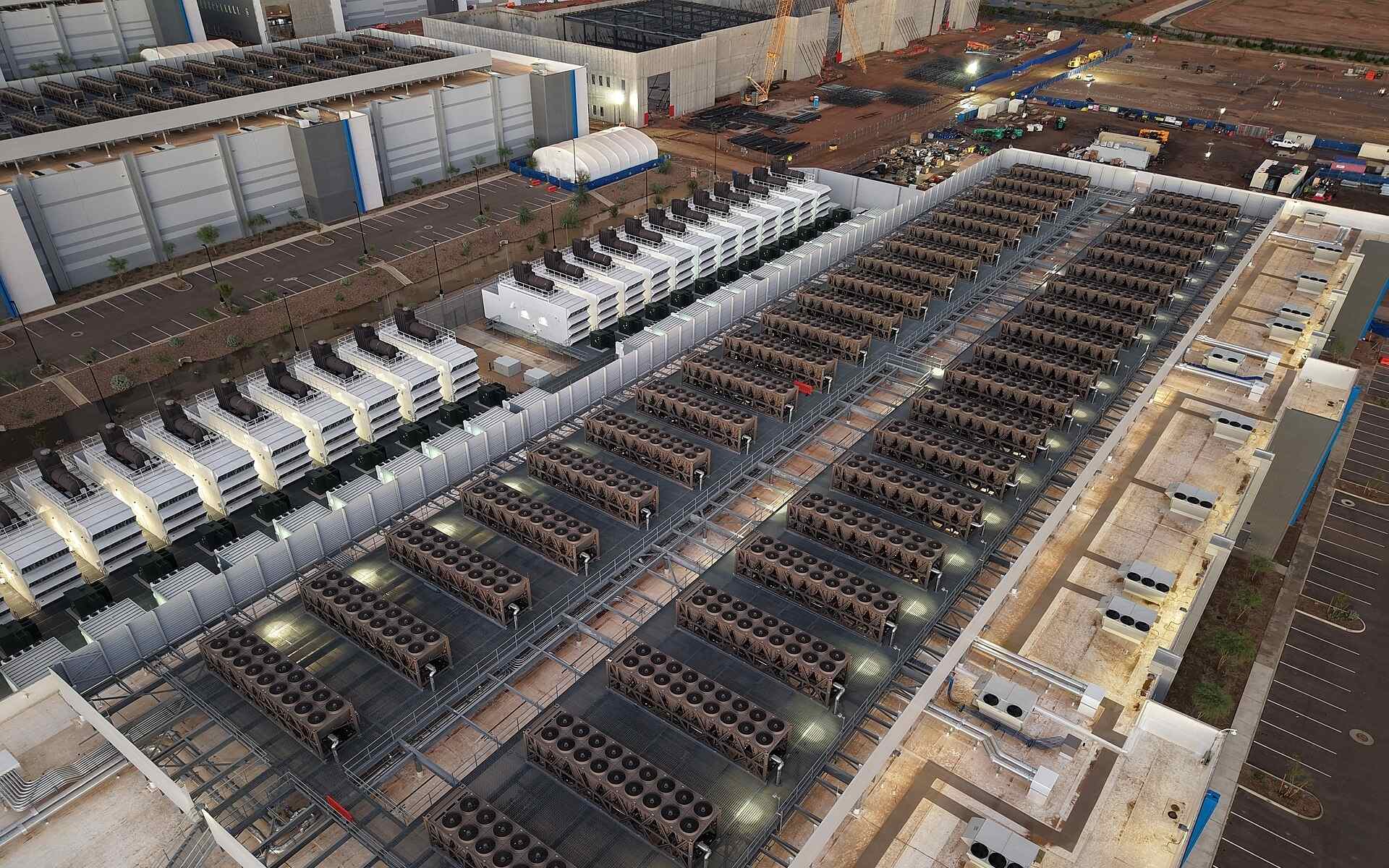
The Midwest is undergoing a quiet but powerful transformation as rising energy demand from AI data centers begins to reshape the regional power grid. As major tech companies build these massive facilities, the surge in electricity needed to fuel artificial intelligence is starting to ripple outward, affecting local infrastructure and residential energy costs.
The Surge of Midwest AI Data Centers and Your Utility Bill
For homeowners across the region, this shift isn’t just industry news—it’s a change that could impact your utility bills, home value, and long-term energy reliability. The good news: there are practical steps you can take now to stay ahead of the curve. Here are five smart ways to prepare your home.
1. Upgrade Your Home’s Energy Efficiency
As demand rises, energy costs may follow. Improving your home’s efficiency is one of the most effective ways to protect yourself.
Start with the basics:
- Seal air leaks around windows and doors
- Add or upgrade insulation
- Replace old HVAC systems with energy-efficient models
Even small improvements can significantly reduce your monthly energy usage, making your home less vulnerable to price fluctuations.
2. Consider Installing Solar Panels
With energy demand increasing, generating your own electricity is becoming more attractive. Solar panels can help offset rising utility costs and reduce dependence on the grid.
In many Midwestern states, incentives and net metering programs still make solar a worthwhile investment. Over time, this can stabilize your energy expenses and even increase your home’s resale value.
Missouri Department of Natural Resources Solar Energy Information
3. Invest in Smart Home Energy Management
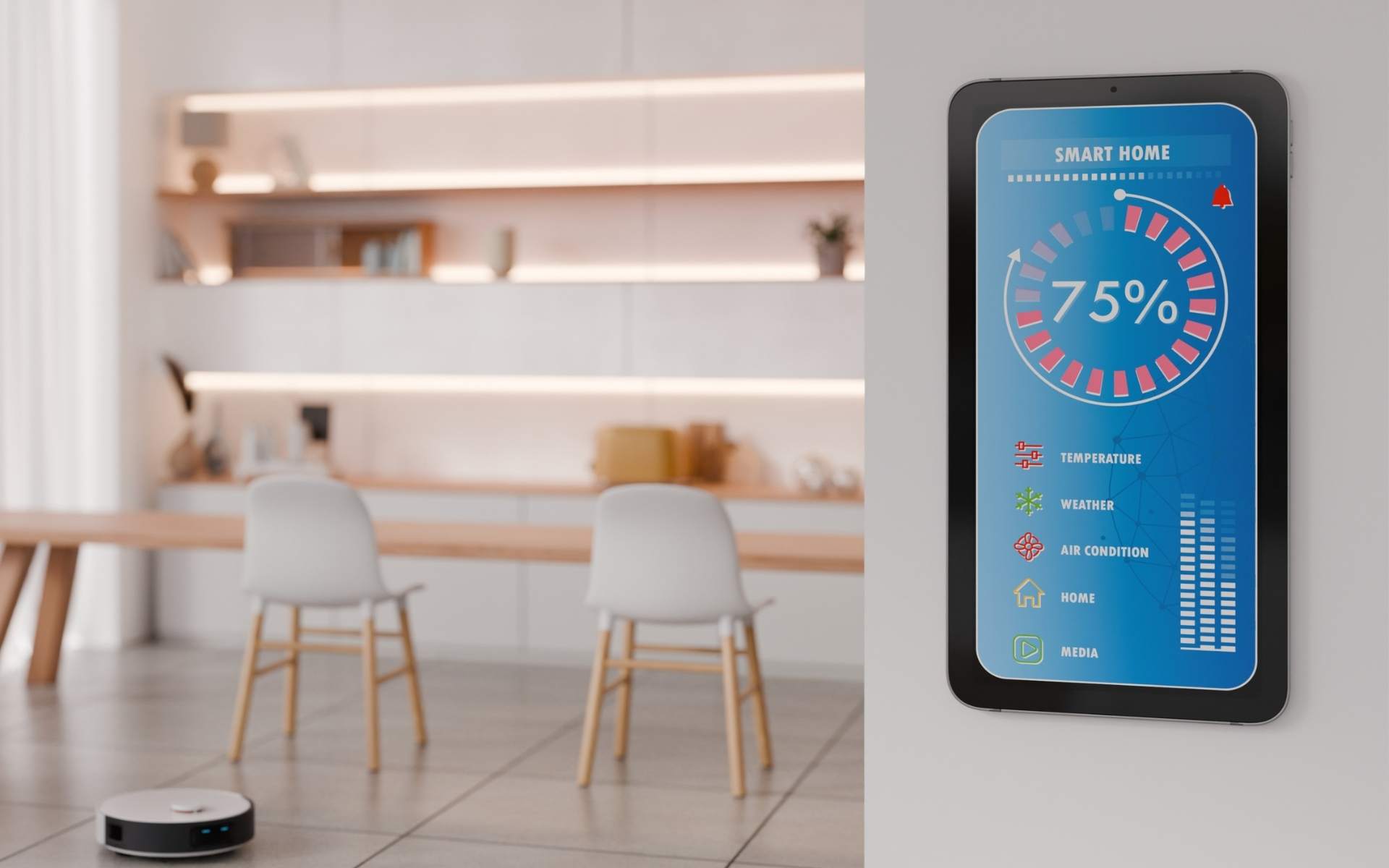
Smart thermostats, energy monitors, and connected appliances give you more control over how and when you use electricity.
These tools allow you to:
- Shift usage to off-peak hours
- Monitor real-time energy consumption
- Automate efficiency without sacrificing comfort
As utilities adapt to higher demand, time-of-use pricing may become more common—making smart energy management even more valuable.
Check out Ameren’s Energy Efficiency Programs
4. Prepare for Grid Strain and Outages from Midwest AI Data Centers
Large-scale data centers can put pressure on local grids, especially during peak usage periods. While utilities are upgrading infrastructure, temporary strain or outages could still occur.
Consider adding resilience to your home:
- Backup generators or battery storage systems
- Surge protection for electronics
- Emergency preparedness plans
Being proactive ensures your household stays comfortable and secure even during disruptions.
5. Stay Informed About Local Energy Policies
As energy demand grows, local governments and utility providers may introduce new policies, rate structures, or incentives.
Keep an eye on:
- Changes in electricity pricing
- Rebates for energy-efficient upgrades
- Community energy programs
Staying informed allows you to take advantage of opportunities and avoid surprises on your bill.
The Bottom Line
The Midwest is becoming a critical hub for the next generation of digital infrastructure, and that shift is bringing new energy challenges along with it. While much of this change is happening behind the scenes, homeowners are not immune to its effects.
By improving efficiency, exploring alternative energy, and preparing for a more dynamic energy landscape, you can position your home—and your finances—for whatever comes next.
The energy future of the Midwest is evolving. Taking action now ensures you’re ready for it. Reach out if you have any questions.