
Posted by Dawn Griffin
Major Development Shaping St. Louis in 2026
The major development shaping St. Louis in 2026 reflects the way the city has always evolved in layers. Warehouses become lofts. Rail corridors turn into greenways. Historic neighborhoods find new purpose without losing their roots. As we head into 2026, several significant projects are actively reshaping how St. Louis works, moves, and grows—economically, culturally, and residentially.
Here’s a look at the developments most likely to influence daily life in St. Louis in the years ahead.
Millennium Hotel Site Development
Downtown | $670M Investment developments
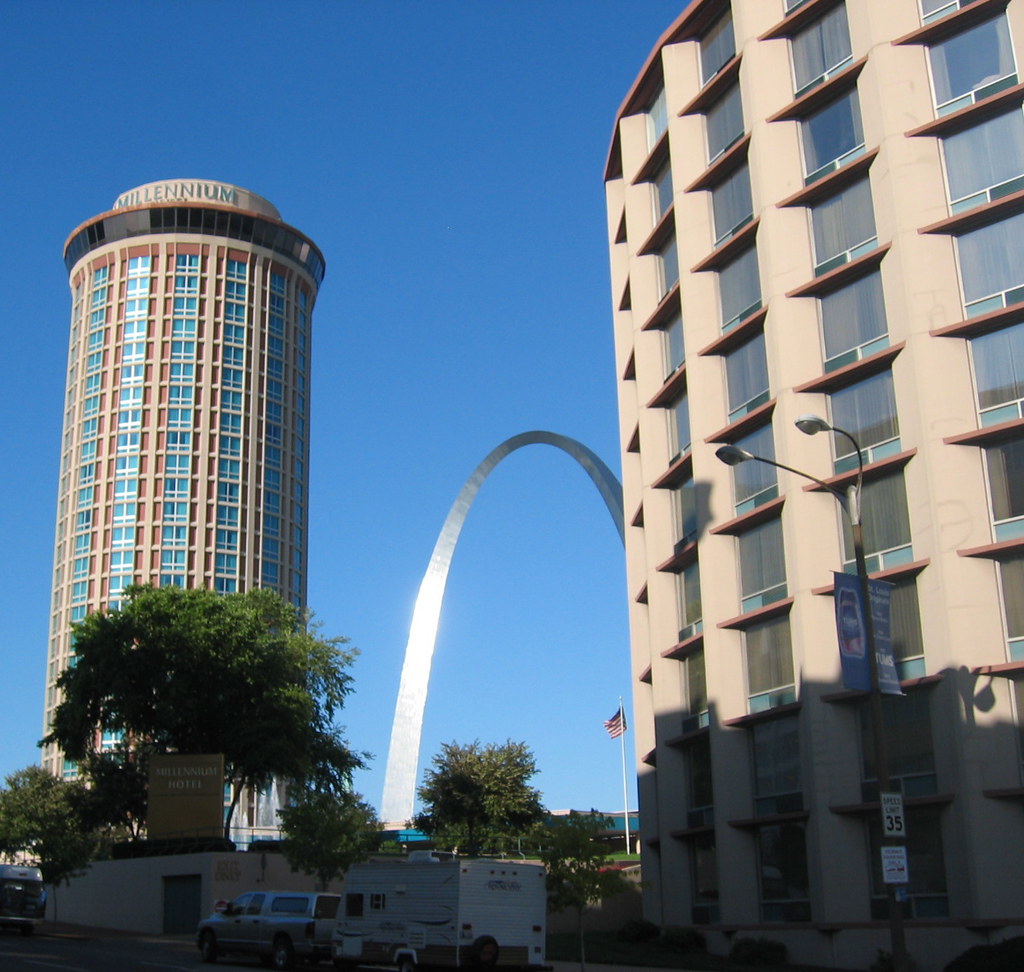
The long-vacant Millennium Hotel site next to the Arch is finally poised for transformation. Led by The Cordish Companies in partnership with the Gateway Arch Park Foundation, this $670 million redevelopment is one of the most consequential downtown projects in decades.
Plans call for a large-scale mixed-use district with residential units, hotel space, offices, entertainment, and public gathering areas—reconnecting downtown to the riverfront in a way that hasn’t existed for generations.
Why it matters:
This site sits at the symbolic front door of St. Louis. Its redevelopment isn’t just about new buildings—it’s about restoring energy, walkability, and everyday activity to the city’s core.
Gateway South Innovation District Development
Chouteau’s Landing develop | $250M+
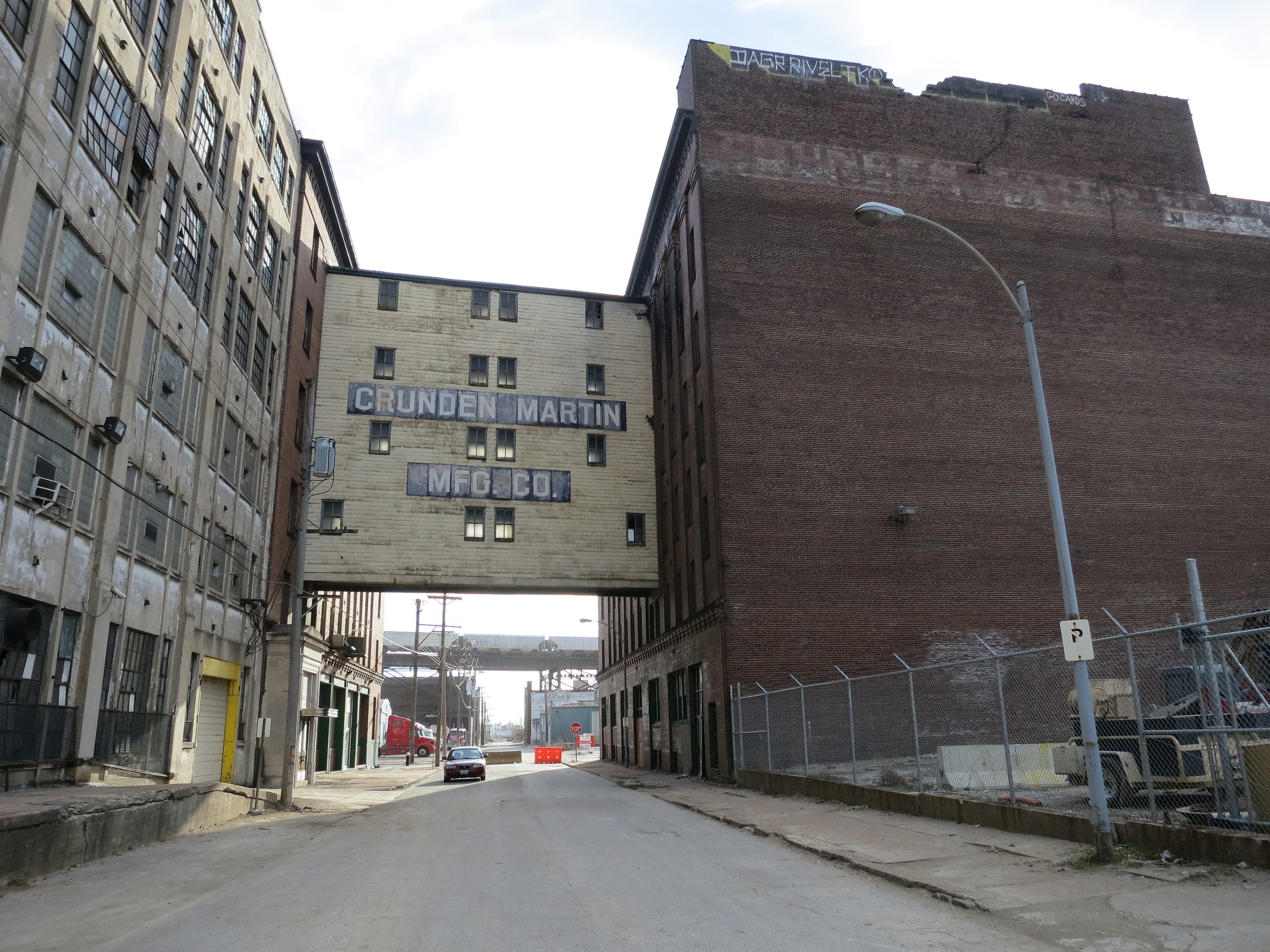
South of downtown, the historic industrial area of Chouteau’s Landing is being reimagined as Gateway South. This multi-phase innovation district is being led by Good Developments Group.
The project blends historic warehouse reuse with new construction. It’s creating space for design firms, technology companies, light manufacturing, and creative industry tenants. Think brick-and-beam buildings meeting modern infrastructure, all anchored near transit and the river.
Why it matters:
Gateway South reinforces St. Louis’s long-standing identity as a maker city—supporting jobs that blend creativity, engineering, and industry while activating an underutilized part of the urban fabric.
Modular Housing in The Ville
North St. Louis | Residential Revitalization
In The Ville, one of St. Louis’s most historically significant neighborhoods, a different kind of development is underway. Ten new modular homes are being constructed along Aldine Avenue. This brings high-quality, efficiently built housing to long-vacant lots.
Rather than large-scale demolition or displacement, this approach emphasizes infill. In turn, it adds thoughtfully designed homes that fit the existing neighborhood while increasing stability and ownership opportunities.
Why it matters:
The addition of new modular homes on Aldine Avenue in The Ville may seem small in scale, but from a residential real estate perspective, this type of infill development plays a meaningful role in neighborhood stability.
Infill housing strengthens existing neighborhoods by using land where infrastructure already exists. In The Ville, it helps reestablish continuity. Homes face the street, lights are on at night, and neighbors are invested in the block. Yet infill respects the area’s historic character.
These homes also support homeownership, often encouraging longer-term residency and stronger neighborhood ties. From a market standpoint, well-designed infill creates healthier price benchmarks without dramatic displacement, helping values rise gradually rather than abruptly.
Perhaps most importantly, infill signals confidence in the neighborhood. It’s a visible commitment to reinvesting where people already live—and to strengthening St. Louis one block at a time.
Brickline Greenway
Citywide | $245M+
The Brickline Greenway (formerly known as the Chouteau Greenway) continues to expand its 20-mile network, connecting neighborhoods, parks, employment centers, and cultural institutions across the city. More than a recreational trail, it creates a continuous, citywide connection between neighborhoods that have historically felt separate—linking residential areas with jobs, transit, and everyday amenities.
- North City connections: On the north end, the Greenway moves through neighborhoods like JeffVanderLou and St. Louis Place, helping connect residents to downtown and nearby employment centers. These connections directly address long-standing gaps in safe, continuous pedestrian and bike infrastructure.
- Central Corridor: Through the city’s core, the Greenway ties together the Central West End, Forest Park–adjacent neighborhoods, and major medical and educational hubs, reinforcing walkability and access to some of the region’s most active residential and employment centers.
- South City neighborhoods: Further south, the Greenway connects Lafayette Square, Tower Grove South, and Tower Grove East—areas already known for strong housing demand, historic architecture, and vibrant local business districts. Here, the Greenway adds everyday usability, not just recreation.
Why this matters:
Developments like the Brickline Greenway are reshaping how St. Louis connects—physically and socially—by functioning as connective tissue between North City, the Central Corridor, and South City. Greenway access improves walkability and strengthens neighborhood identity. Over time, it signals long-term investment and supports reinvestment across the city.
Downtown Chesterfield
Chesterfield | Multi-Phase Mixed-Use District (Launching 2026)
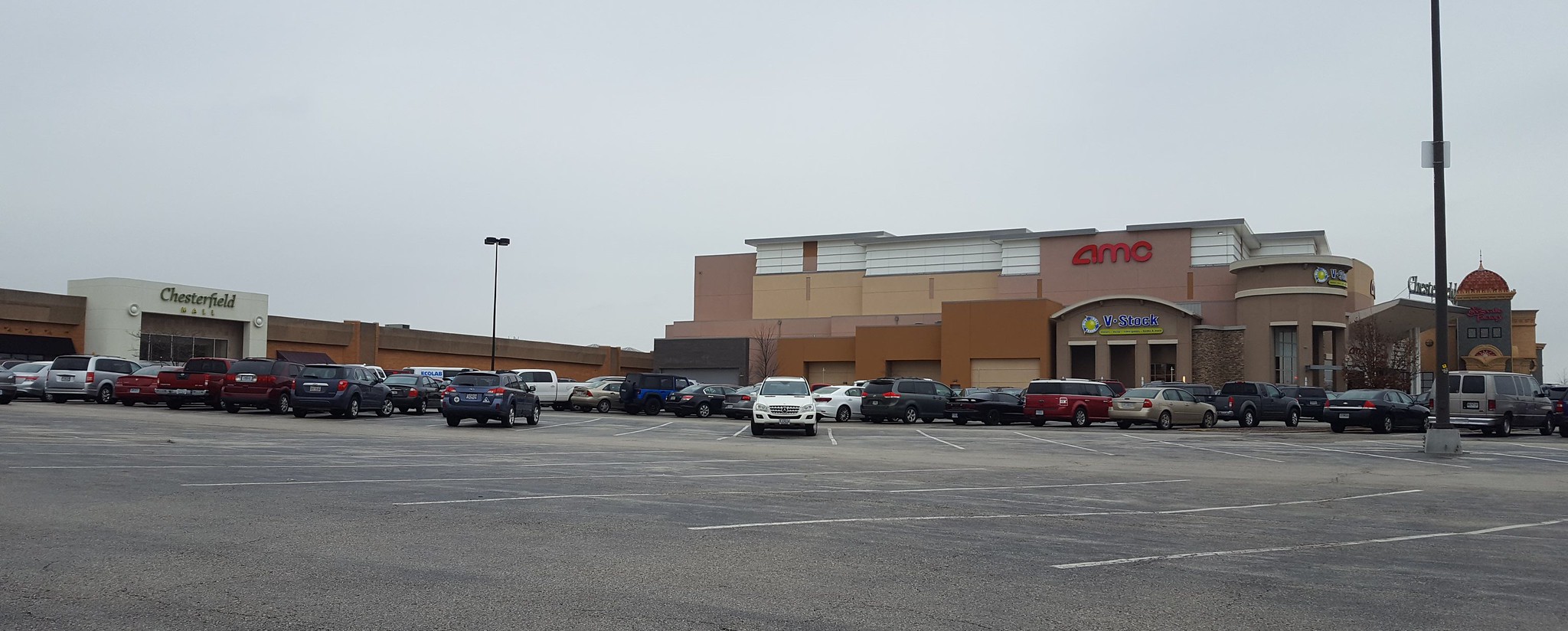
The former Chesterfield Mall site is entering a new chapter as Downtown Chesterfield, a large-scale, walkable mixed-use redevelopment that begins active infrastructure and site work in 2026.
This project replaces a traditional enclosed mall model with a modern district that blends residential, retail, office, hospitality, and public green space. While vertical construction will unfold over multiple phases, 2026 marks a meaningful transition point: the shift from demolition and planning to visible, on-the-ground progress.
Why it matters:
From a residential real estate perspective, this type of redevelopment has ripple effects well beyond the project footprint. Chesterfield has long been a strong suburban market, but Downtown Chesterfield represents a shift toward more connected, amenity-driven living—appealing to buyers who want suburban schools and space without giving up walkability, dining, and gathering places.
Developments like these tend to:
- Support long-term home value stability in surrounding neighborhoods
- Attract downsizers, professionals, and buyers seeking low-maintenance living
- Create new demand for nearby single-family homes and townhomes
- Reinforce the suburb as a destination, not just a commute point
As retail-only centers continue to struggle nationwide, the reinvention of the Chesterfield Mall site reflects a broader regional trend: adapting existing land to how people actually live now. For St. Louis County, this is one of the most consequential redevelopment stories unfolding in 2026.
What This Development Mean for St. Louis Residents
Taken together, these projects reflect a broader shift in how St. Louis is growing:
- Reuse over sprawl
- Neighborhood-scale investment
- Connectivity and walkability
- A balance of history and innovation
Development in 2026 is about reinforcing what already makes St. Louis work, while addressing gaps that have held parts of the city back.
For residents, buyers, and long-term homeowners, these investments influence everything from daily life to property values to how neighborhoods evolve over time.
St. Louis isn’t reinventing itself overnight—but it is very intentionally building its next chapter. Want to know more about any of these communities or projects? Reach out.