
Posted by Dawn Griffin
What Winter Weather Can Reveal About Your Home
When winter storms rolls through—especially one that brings a mix of snow, sleet, and ice—our homes quietly go through a stress test. Cold temperatures, wind, and moisture have a way of exposing small issues that stay hidden the rest of the year.
That’s not necessarily a bad thing. In fact, winter weather can be one of the best times to really understand how a house performs.
Here’s what cold snaps and winter storms often reveal—and what to do with what you notice.
Drafts & Insulation Gaps
Cold air makes weaknesses obvious. Rooms that never quite warm up, chilly floors near exterior walls, or noticeable drafts around windows and doors often point to insulation gaps or aging seals.
What to do: Make a quick list of drafty rooms or windows now. These are often straightforward fixes—caulking, weatherstripping, or targeted insulation—that can lower heating bills immediately.
Heating System Performance
When temperatures drop, your HVAC system is working at full capacity. Uneven heating, unusual noises, or systems that struggle to keep up are signals worth paying attention to.
What to do: If something feels off, schedule a service check before the next deep freeze. Small adjustments now can prevent emergency repairs later in the season.
Rooflines, Gutters & Ice Dams
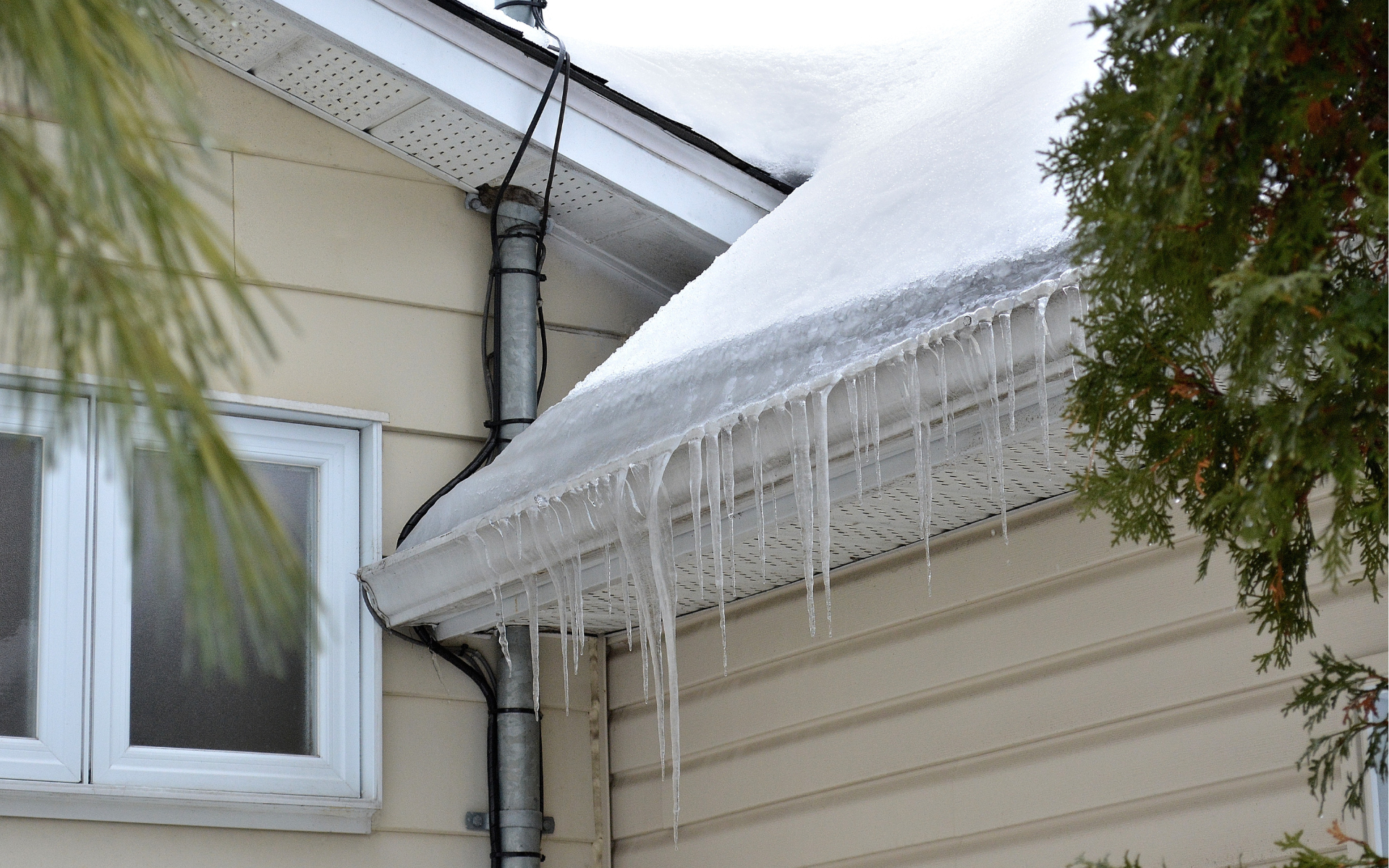
Mixed winter storms are especially hard on roof edges and gutters. Ice dams, icicles forming in odd places, or water staining near ceilings can indicate drainage or ventilation problems.
What to do: Take photos once it’s safe and temperatures rise. These visuals are helpful when talking with a roofer or contractor—and can prevent repeat issues next winter.
Basements & Moisture Intrusion
Snow melt combined with frozen ground can push water toward foundations. Damp smells, new water marks, or slow-draining floor drains are signs to note.
What to do: Track when and where moisture appears. This helps determine whether the fix is as simple as extending downspouts—or something that needs professional evaluation.
Windows, Doors & Everyday Wear
Winter highlights which windows stick, which doors swell, and where weatherstripping has failed. These are small issues that are easy to overlook in warmer months.
What to do: Flag problem spots now and address them gradually. Many efficiency upgrades are inexpensive and make an immediate difference in comfort.
Why Paying Attention in Winter Pays Off
For homeowners, winter creates a natural checklist of improvements to tackle before spring. For buyers, seeing a home during cold weather can be revealing—it shows how the house performs when conditions are toughest.
When conditions are right, contact us for recommendations. We have a list of vetted vendors and contractors who can help you tackle any of your projects.
Bottom line: Winter storms don’t just test roads and power lines—they test houses. What you notice now can guide smart maintenance, better budgeting, and fewer surprises down the road.