
Posted by Dawn Griffin
Two St. Louis Neighborhoods with Demand that Never Really Slows
If you’ve been paying attention to the St. Louis real estate market, you already know the story of neighborhoods like Maplewood, Tower Grove South, and Webster Groves. These are areas that ran hard over the past decade and are now priced to reflect it. But there are two neighborhoods that have quietly maintained fierce buyer demand while their appreciation numbers have lagged behind the rest of the metro. And that gap is worth paying attention to.
What the Data Says
According to the Zillow Home Value Index, the St. Louis metro appreciated a median of 83% between January 2015 and February 2026. University City came in at 58% over that same period. The Central West End came in at just 33%. On the surface, those numbers might look like underperformance. But the market activity tells a completely different story.
Homes in the 63130 ZIP code, which covers University City, are currently receiving an average of five offers and selling in roughly 12 days, according to Redfin data. Homes in the Central West End are selling in about 30 days. These are not the numbers of a neighborhood people are walking away from. These are the numbers of neighborhoods people are fighting to get into.
@housesinstl Two STL neighborhoods with demand that never really slows #StLouisRealEstate #centralwestend #universitycity ♬ Darling – Trees and Lucy
So what explains the gap between appreciation and demand?
University City
For University City, school district perception has historically weighed on broader market sentiment — even as the neighborhood itself has maintained a loyal buyer base. The Delmar Loop sits at its heart. Brick homes from the 1920s and 1930s line streets canopied by mature trees. Buyers who know U City know its value. The broader market hasn’t fully caught up yet.
Central West End
For the Central West End, a perception gap that lingered for years no longer reflects what’s actually happening on the ground. CWE is one of the most walkable neighborhoods in the city. Forest Park sits at its doorstep. The restaurant scene along Euclid and Maryland is as strong as anywhere in St. Louis. BJC, the WashU Medical Campus, and the Cortex Innovation Community have brought a steady wave of professionals looking to live close to work. And yet CWE has appreciated just 33% since 2015, less than half the metro median.
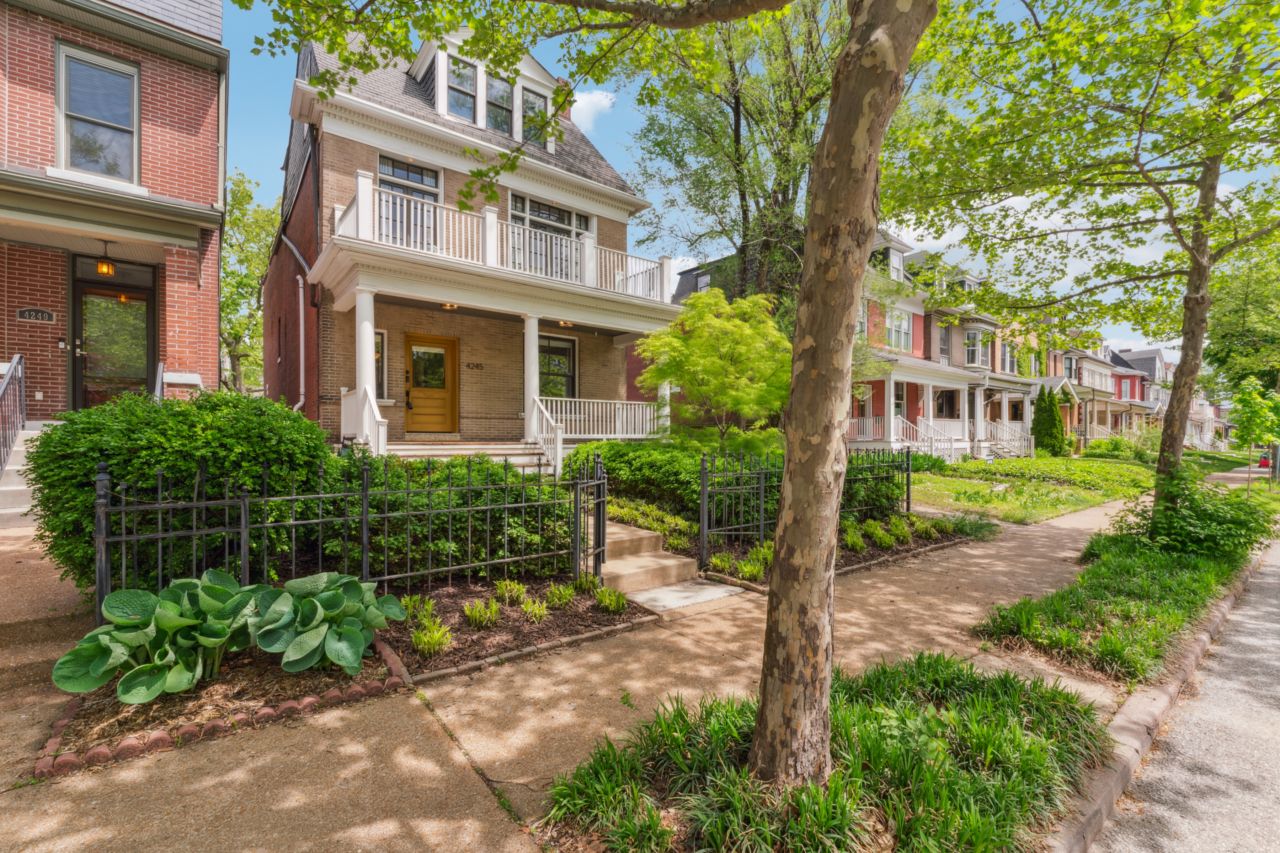
We’ve sold homes in both neighborhoods and seen firsthand how buyers respond. At 4245 Maryland Avenue, a turn-of-the-century CWE home with historic millwork, a grand foyer, and an open floor plan blending original character with modern function. It sold because this neighborhood doesn’t need to be explained to the right buyer. At 4712 Westminster Place, a five-bedroom home with a chef’s kitchen, wood-burning fireplace, and a wisteria-covered outdoor entertaining space moved quickly for the same reason.
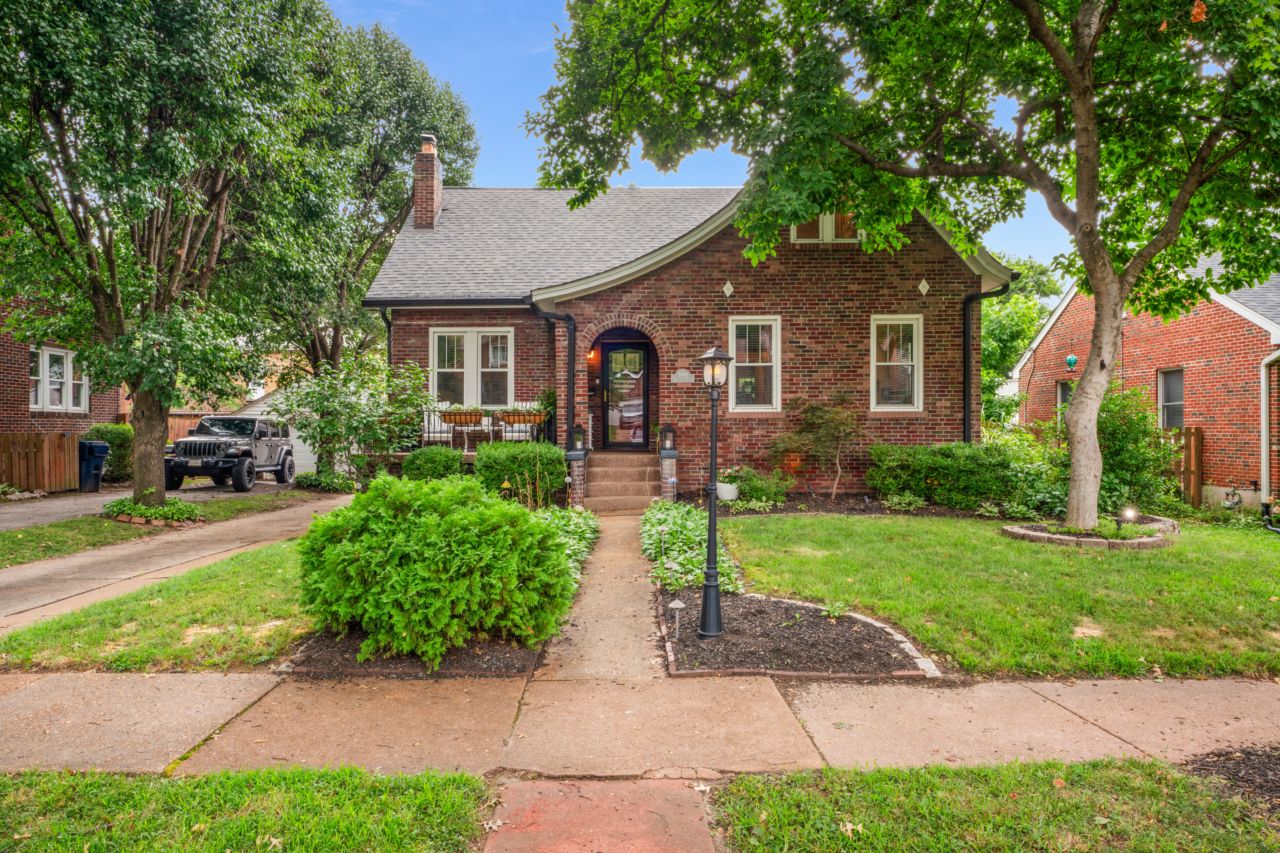
The University City story is equally strong. At 7009 Stanford Avenue, a beautifully updated English cottage in University Park, walkable to Heman Park, the Loop, and Washington University. Buyers responded immediately. At 538 Donne Avenue, classic U City architecture with thoughtful modern updates moved fast. Buyers who know these neighborhoods don’t hesitate.
The buyers are there. The lifestyle is there. The value, relative to comparable neighborhoods in other major metros, remains significant. Whether the price gap closes quickly or gradually, the fundamentals in both neighborhoods are strong.
If you’re curious about what’s available in University City or the Central West End right now, or if you’re thinking about what your home in either neighborhood might be worth in today’s market, reach out. We’d love to walk you through what we’re seeing.
And if you want to follow the data as it develops we’ve just launched a new TikTok and Youtube channel: Follow us at @housesinstl for short-form market breakdowns and neighborhood spotlights.
Appreciation data sourced from the Zillow Home Value Index (ZHVI), January 2015 – February 2026. Days on market data sourced from Redfin.