
Dawn Griffin June 23, 2026
Congress just passed its first major housing legislation in decades. The bipartisan 21st Century ROAD to Housing Act has cleared both chambers — and plenty of buyers are wondering if this means the housing shortage is finally going away.
I want to give you an honest answer. There are some genuinely useful things in this bill. But it doesn’t touch the two structural problems that are actually keeping inventory tight — in St. Louis and across the country.
The bill is the most significant federal housing legislation in decades — bipartisan, broad, and genuinely well-intentioned. It touches permitting reform, home repair funding, and even puts limits on large institutional investors buying single-family homes.
But well-intentioned doesn’t mean it solves the right problems.
Edited: President Donald Trump abruptly canceled his plans to sign the bipartisan housing bill Wednesday, saying he will not do so until Congress passes the SAVE America Act, a sweeping elections bill that has become a focal point of his second term. So the fate of the legislation discussed below remains in limbo.
I hear this question constantly from buyers: “Why don’t builders just build more starter homes?”
Here’s the reality — builders are businesses, not nonprofits. And the math doesn’t pencil the way most people assume.
The cost to build a 1,400 square foot home versus a 2,400 square foot home isn’t dramatically different when you factor in land, labor, and permits in the St. Louis market. But the sales price gap is significant. If a builder can net $40,000 profit on an entry-level home or $120,000 on a move-up home, they will build move-up homes. Every time.
The ROAD to Housing Act trims some permitting red tape and makes construction modestly easier in some cases. That’s not nothing. But it doesn’t rewrite the underlying economics. As long as bigger homes produce bigger margins, builders will keep building them.
The other piece of this puzzle is the generation of homeowners sitting in houses that are larger than they currently need — and mostly staying put.
And I want to be clear: this isn’t stubbornness. It’s math.
Many longtime homeowners in St. Louis — whether they’re in Kirkwood, Webster Groves, Ladue, or South City — bought their homes decades ago. The mortgage is paid off. Property taxes reflect what the home was worth in 1998. They have their church, their neighbors, their routines.
When they explore smaller options — a condo in Clayton, a patio home in Des Peres, a senior community in Chesterfield — they often discover that “downsizing” doesn’t actually lower their monthly costs. In some cases, it raises them. So the question becomes: Why would I leave a home I love just to spend more money?
The new legislation doesn’t change that equation at all.
The housing market functions like a relay race. First-time buyers grab starter homes. Growing families move into something larger. Empty nesters downsize and free up those larger homes. Right now, the baton isn’t getting passed.
Builders aren’t producing enough entry-level inventory. Longtime homeowners aren’t finding enough financial incentive to sell. And buyers — especially first-timers — feel the squeeze most.
Marginally, and over time. Some provisions — particularly the restrictions on institutional investors buying single-family homes and the streamlined permitting processes — could have a meaningful long-term effect on supply.
But “long-term” is doing a lot of work in that sentence.
What would actually move the needle faster: making entry-level homes more profitable to build through targeted subsidies or tax incentives, and creating genuine financial incentives for older homeowners to sell — things like capital gains relief, property tax portability, or senior-specific bridge loan programs. Until policy addresses those two friction points directly, the inventory problem is going to look pretty much like it does right now.
If you’re buying in St. Louis this year, I don’t want to sugarcoat it: competition for well-priced homes in good condition is still real. The fundamentals driving the shortage haven’t changed, and a bill with a good name isn’t going to change them overnight.
What I can tell you is that with the right strategy and someone in your corner who knows this market, you can still find your home. That’s what the Dawn Griffin Group does every single day.
Questions about what the St. Louis housing market actually looks like right now? Let’s talk.
It’s a bipartisan federal housing bill that passed both chambers of Congress in 2026. It includes more than 45 provisions aimed at increasing housing supply, streamlining permitting, repairing aging homes, and restricting large institutional investors from purchasing single-family homes.
Not directly or quickly. The bill addresses some supply-side friction, but doesn’t change the two biggest drivers of low inventory: builder profit incentives that favor larger homes, and the lack of financial incentive for longtime homeowners to downsize.
Two main reasons: builders find it more profitable to construct larger homes than starter homes, and many longtime homeowners in established neighborhoods have little financial reason to sell and move.
Waiting for inventory to dramatically improve may mean waiting a long time. The structural issues driving the shortage — builder economics and senior homeowner retention — won’t be resolved by a single piece of legislation.
Yes. One of the notable provisions in the final bill restricts large institutional investors from purchasing single-family homes, which has been a contributing factor in reduced inventory in many markets.
Stay up to date on the latest real estate trends.

September 2026 housing numbers and what home buyers and sellers need to know.

Many local butcher shops are longtime neighborhood institutions that still offer something increasingly difficult to find at a supermarket: personal service, specialty… Read more

Recognition
The Dawn Griffin Group is named St. Louis Magazine's Best Real Estate Agent for the third year in a row.

Halfway into the first full season, here are some things I've learned about pool ownership.

Save Big By Finding Dates, Eligible Items and Shopping Limits

New shops and restaurants in downtown Kirkwood and beyond
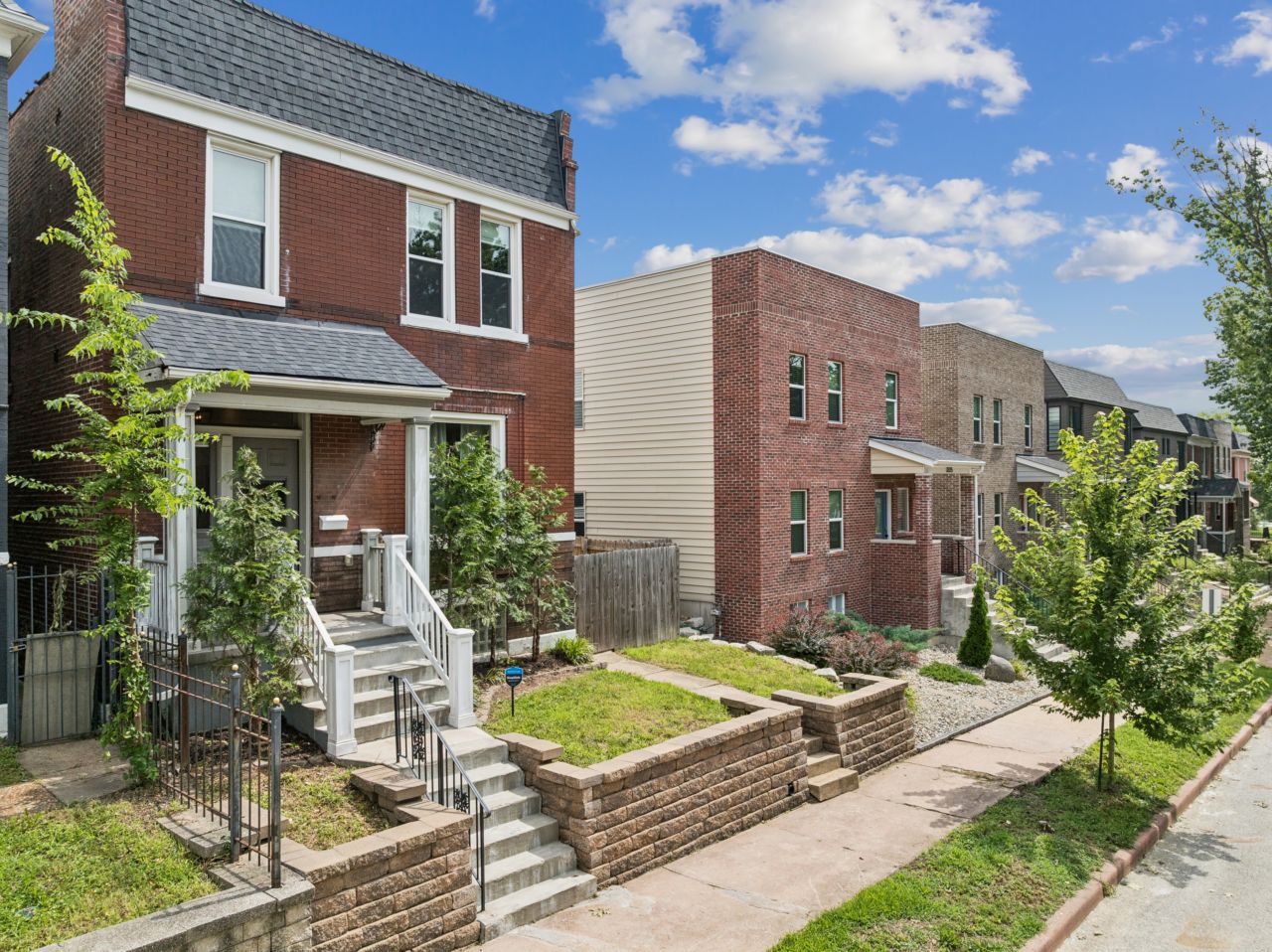
3329 Vista Avenue sits in a neighborhood that has been rewritten, quite literally, more times than almost any other pocket of the city.

We regularly use these same resources to help our clients before, during, and long after closing.

Here are seven of the most popular St. Louis first-time homebuyer programs available.
Partner with a team that values honest advice, strategic guidance, and exceptional service. With decades of experience and over 1,000 successful transactions, we're committed to helping you achieve your real estate goals with confidence.
Planning a move? Thinking about selling? Want to talk real estate?

Dawn Griffin Group
3636 S Geyer Rd Ste #100 St. Louis, MO 63127