

Dawn Griffin November 9, 2025
The word mortgage literally comes from Old French mort gage — meaning “dead pledge.”
The pledge “dies” only when the debt is repaid or the property is taken.
Fast forward to today, and the new 50-year mortgage proposal feels truer to that origin than ever.
Spoiler alert: it’s not homeowners.
The 50-year mortgage is being sold as an “affordability solution,” but it’s really a lender and investor solution. The core housing issue isn’t loan length — it’s inventory.
Roughly 60–65% of U.S. homeowners hold mortgages below 4%, and they’re staying put. That keeps supply tight.
A 50-year mortgage doesn’t fix that. It just injects more buying power into a market with too few homes, pushing prices higher and trapping buyers in debt for decades longer.
If affordability feels out of reach, don’t stretch the debt — strengthen your strategy:
Stay up to date on the latest real estate trends.

September 2026 housing numbers and what home buyers and sellers need to know.

Many local butcher shops are longtime neighborhood institutions that still offer something increasingly difficult to find at a supermarket: personal service, specialty… Read more

Recognition
The Dawn Griffin Group is named St. Louis Magazine's Best Real Estate Agent for the third year in a row.

Halfway into the first full season, here are some things I've learned about pool ownership.

Save Big By Finding Dates, Eligible Items and Shopping Limits

New shops and restaurants in downtown Kirkwood and beyond
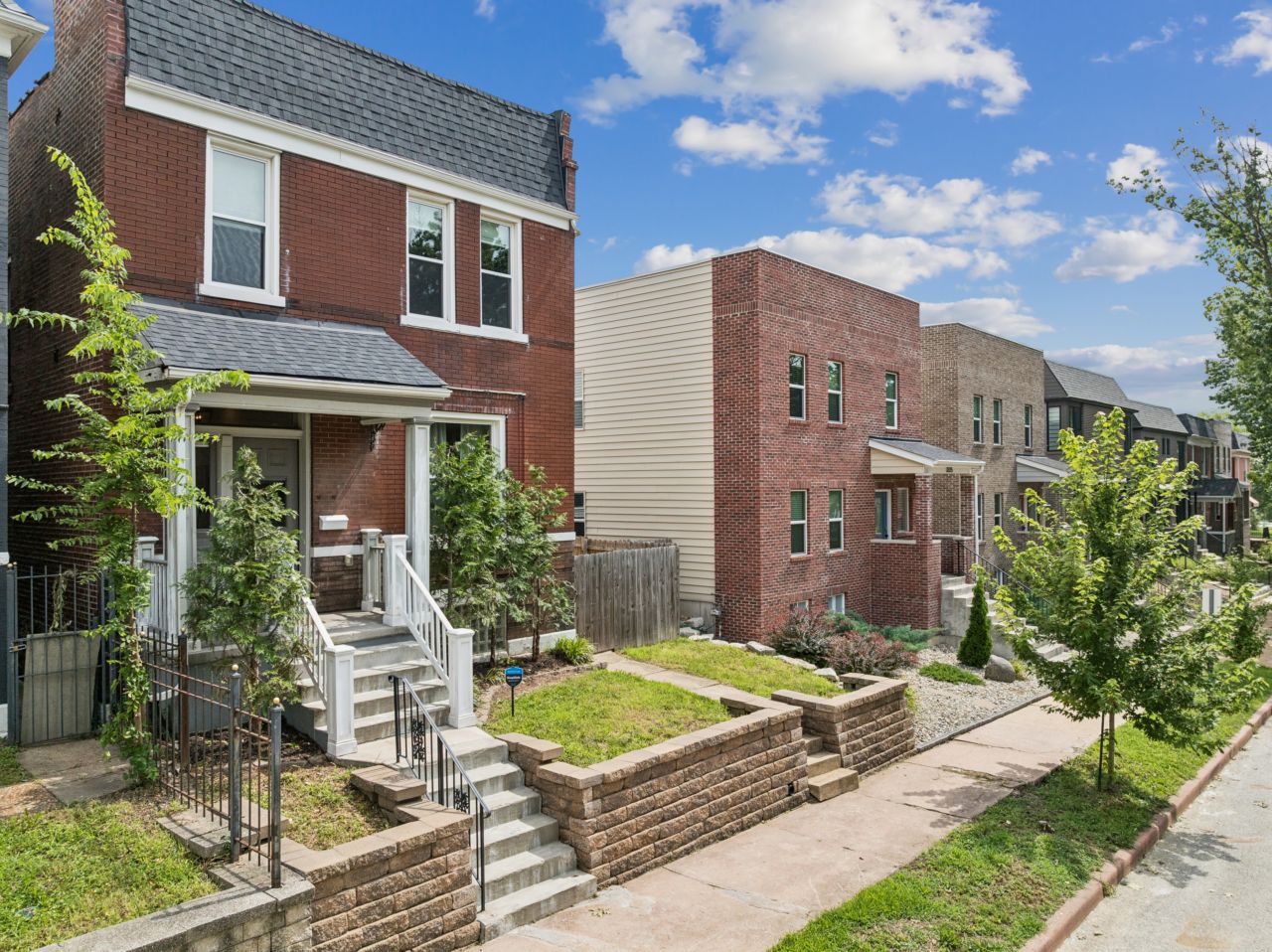
3329 Vista Avenue sits in a neighborhood that has been rewritten, quite literally, more times than almost any other pocket of the city.

We regularly use these same resources to help our clients before, during, and long after closing.
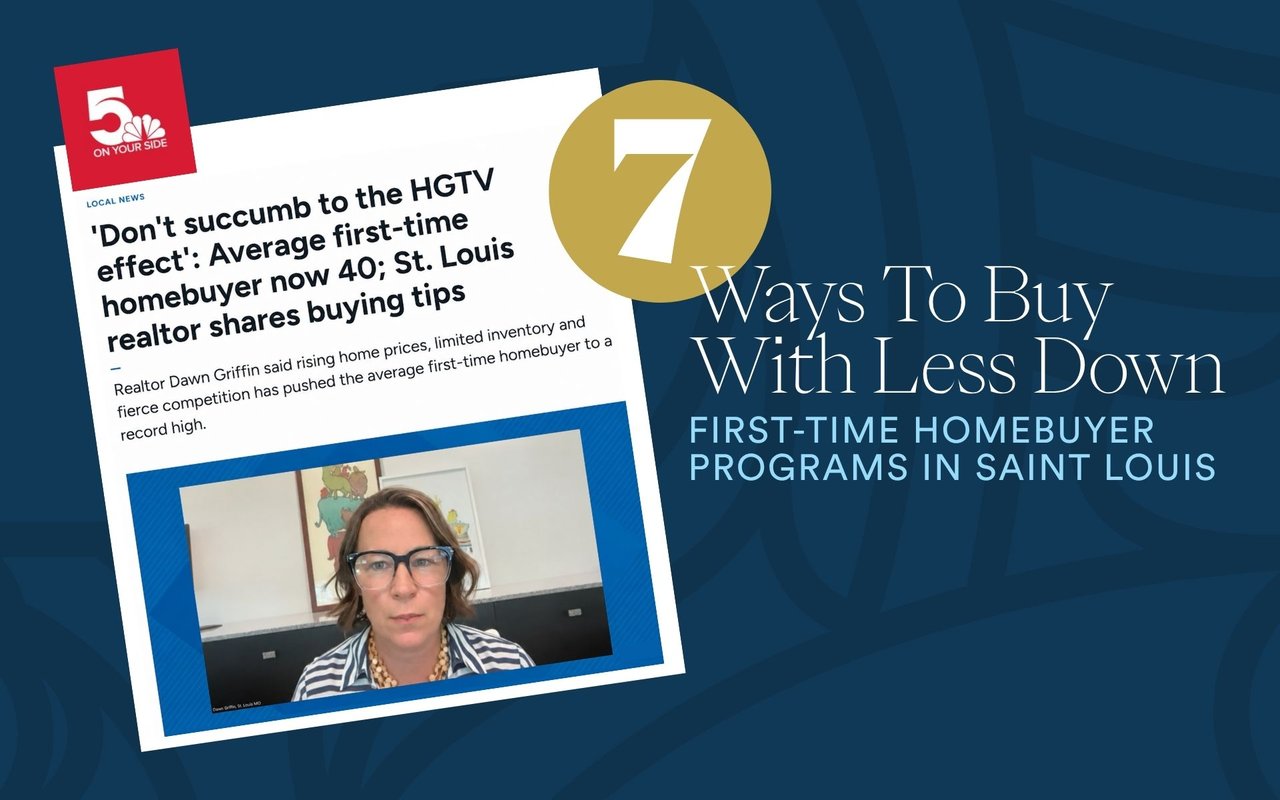
Here are seven of the most popular St. Louis first-time homebuyer programs available.
Partner with a team that values honest advice, strategic guidance, and exceptional service. With decades of experience and over 1,000 successful transactions, we're committed to helping you achieve your real estate goals with confidence.
Planning a move? Thinking about selling? Want to talk real estate?

Dawn Griffin Group
3636 S Geyer Rd Ste #100 St. Louis, MO 63127