
Andrea Durway August 20, 2025
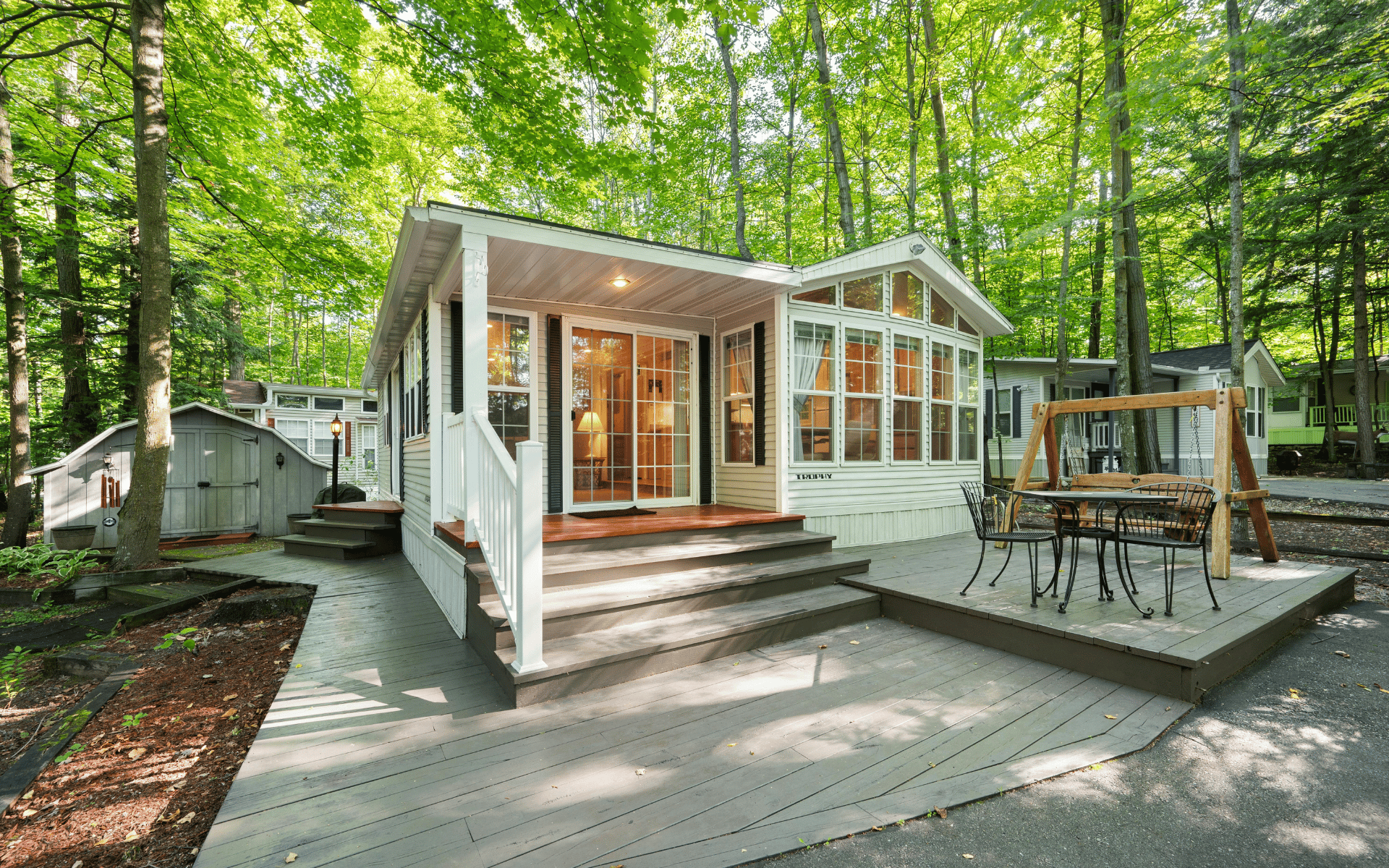
About once a month, someone forwards me an article about friends choosing creative cohousing arrangements as they age. One story featured couples who bought homes side by side in a small beach town. Another described a group that pooled their money, purchased land, and built modern modular homes around a shared space for cooking and socializing. Most recently, the New York Times highlighted eleven women in East Texas who created a tiny home village—complete with nine dogs, no men, and a firm “no drama” rule.
When many people picture retirement, they imagine moving into a traditional retirement community or downsizing into a condo. But a growing number of older adults are exploring a different option—senior cohousing. Instead of an institution-like setting, seniors are choosing to live with friends or like-minded peers in shared communities that balance privacy with connection.
Senior cohousing is a type of intentional community where older adults design their living arrangement to suit their needs. This can take different forms:
Unlike nursing homes or traditional retirement communities, these arrangements are resident-driven, often with an emphasis on friendship, autonomy, and mutual support.
The kitchen is a common area, where community members can share cooking chores.
Several social and economic factors are fueling interest in senior cohousing:
These modest homes provide private areas yet are clustered around a shared community space, where the friends gather to cook, share meals, and socialize.
While some seniors prefer age-specific cohousing, multigenerational cohousing brings together people of all ages in a thoughtfully designed, resident-led community. Instead of separating generations, this model blends seniors, singles, and young families into a supportive neighborhood where everyone contributes and benefits. Older adults gain companionship, purpose, and the chance to act as mentors or “bonus grandparents,” while younger residents enjoy built-in community support and meaningful relationships across generations. The result is a vibrant, interwoven lifestyle that reduces isolation, fosters connection, and celebrates the strengths each age group brings. Great Oaks Cohousing in Ann Arbor, Michigan is an example. With 37 households, ranging from young families to retired couples, the community has about 65 adults and 25 kids.
Senior cohousing is still relatively new in the U.S., but interest is surging. Communities are forming in cities and suburbs alike, often near walkable neighborhoods and transit lines. Some real estate developers are beginning to design cohousing-style properties to meet the demand.
Creating a cohousing arrangement requires upfront planning, agreements, and sometimes legal structuring. It is important to have many conversations before embarking on such an arrangement.
Cohousing Association of the United States (CohoUS): Offers a live directory of existing and forming cohousing communities, plus educational programming and a monthly Q&A. Great starting point to learn about models, locate local communities, or even connect with others building a community.
SeniorLiving: A helpful overview of what senior cohousing entails, how communities get started, and how to find ones near you.
OneSTL: OneSTL is a collaboration to encourage and support greater sustainability across the eight-county St. Louis region and provides a Cohousing Toolkit.
“Why more seniors should choose cohousing” — The Guardian
“Cohousing Communities: Aging Better Together” — Mutual of Omaha
“Building Community with Cohousing” — Urban Land
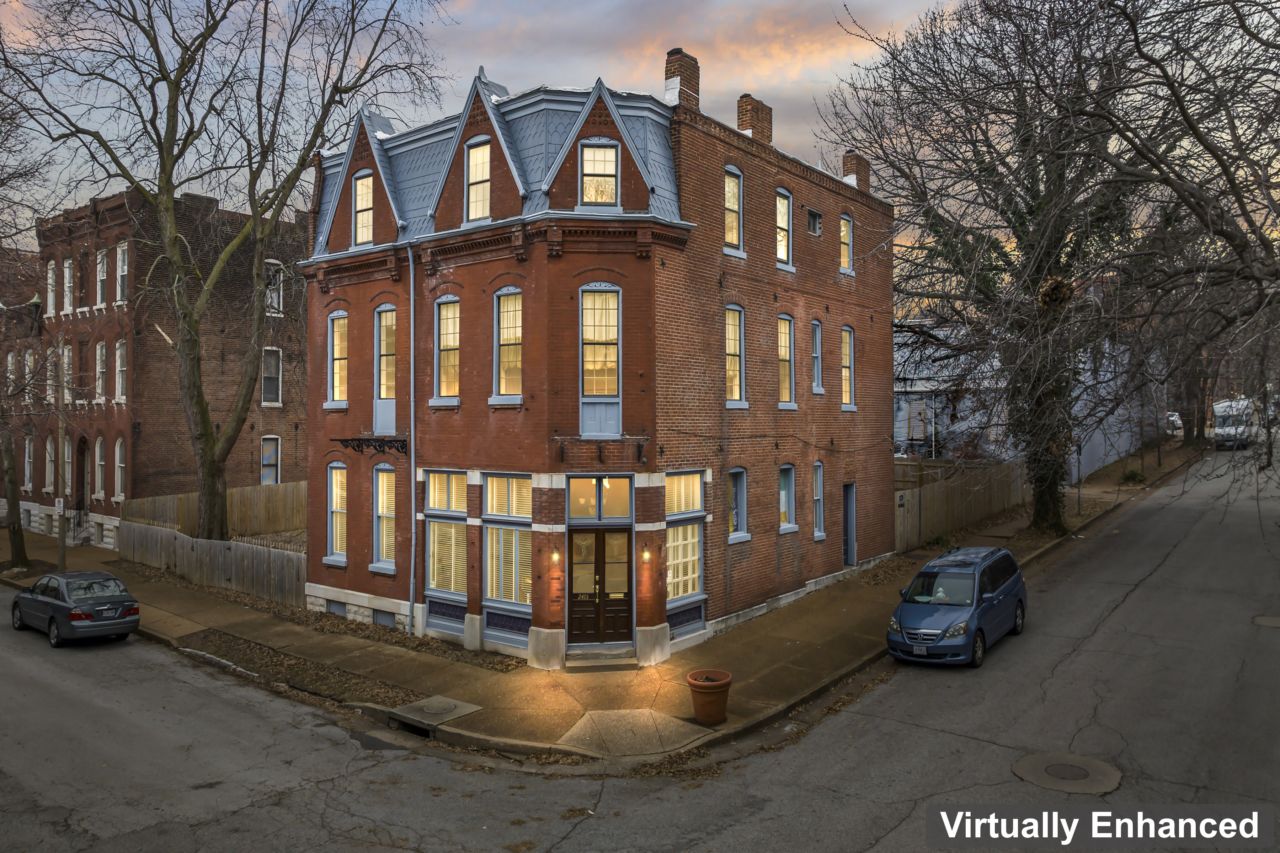
2401 South 11th Street in Soulard is an example of a building that would lend itself to urban cohousing. The street level area has open office spaces, kitchenette, and bathroom and could easily be converted into a common area for the 3 upper level units. The yard has plenty of room for shared garden space, if desired.
For many older adults, the appeal is simple: grow older without growing isolated. Senior cohousing offers the best of both worlds—private space when you need it, and friendship, support, and laughter just outside your door. If you are interested in finding a property for cohousing consideration, we’d love to hear your vision and help where we can. Reach out.
Stay up to date on the latest real estate trends.

September 2026 housing numbers and what home buyers and sellers need to know.

Many local butcher shops are longtime neighborhood institutions that still offer something increasingly difficult to find at a supermarket: personal service, specialty… Read more

Recognition
The Dawn Griffin Group is named St. Louis Magazine's Best Real Estate Agent for the third year in a row.

Halfway into the first full season, here are some things I've learned about pool ownership.

Save Big By Finding Dates, Eligible Items and Shopping Limits
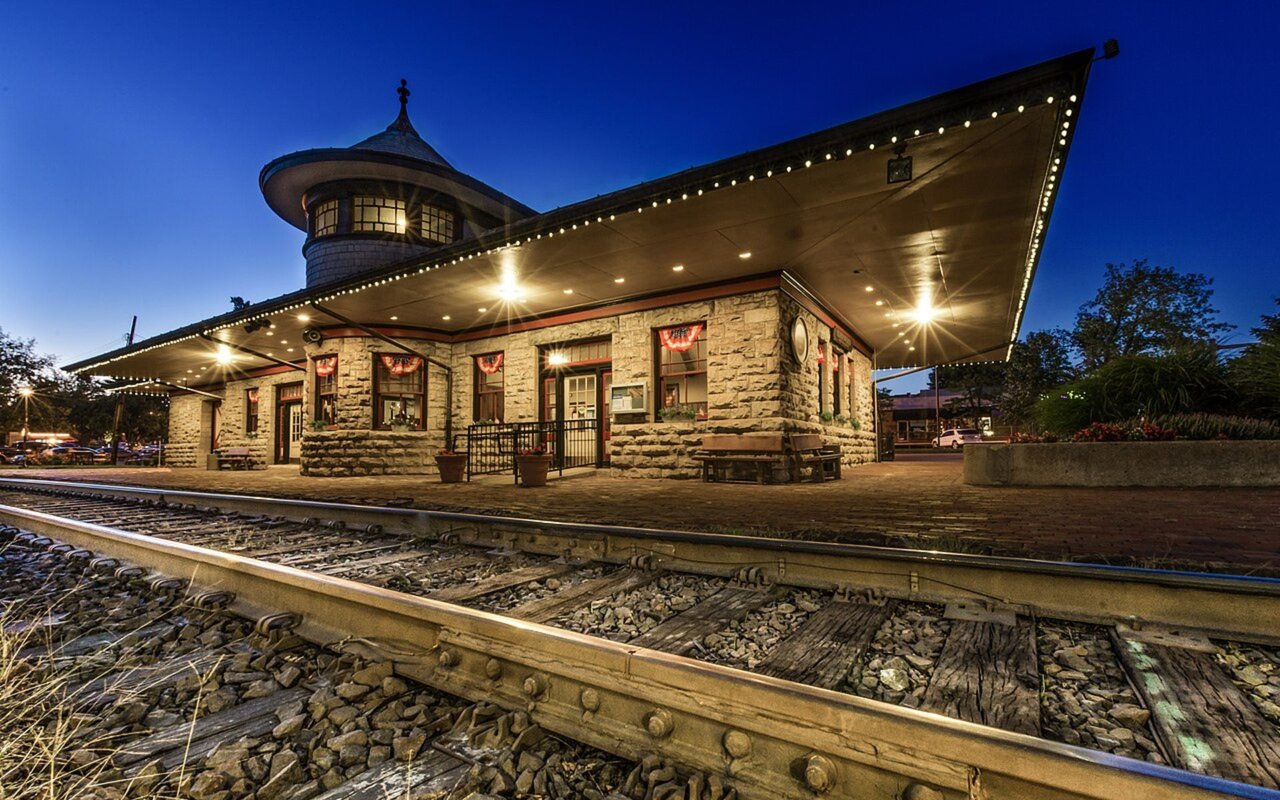
New shops and restaurants in downtown Kirkwood and beyond
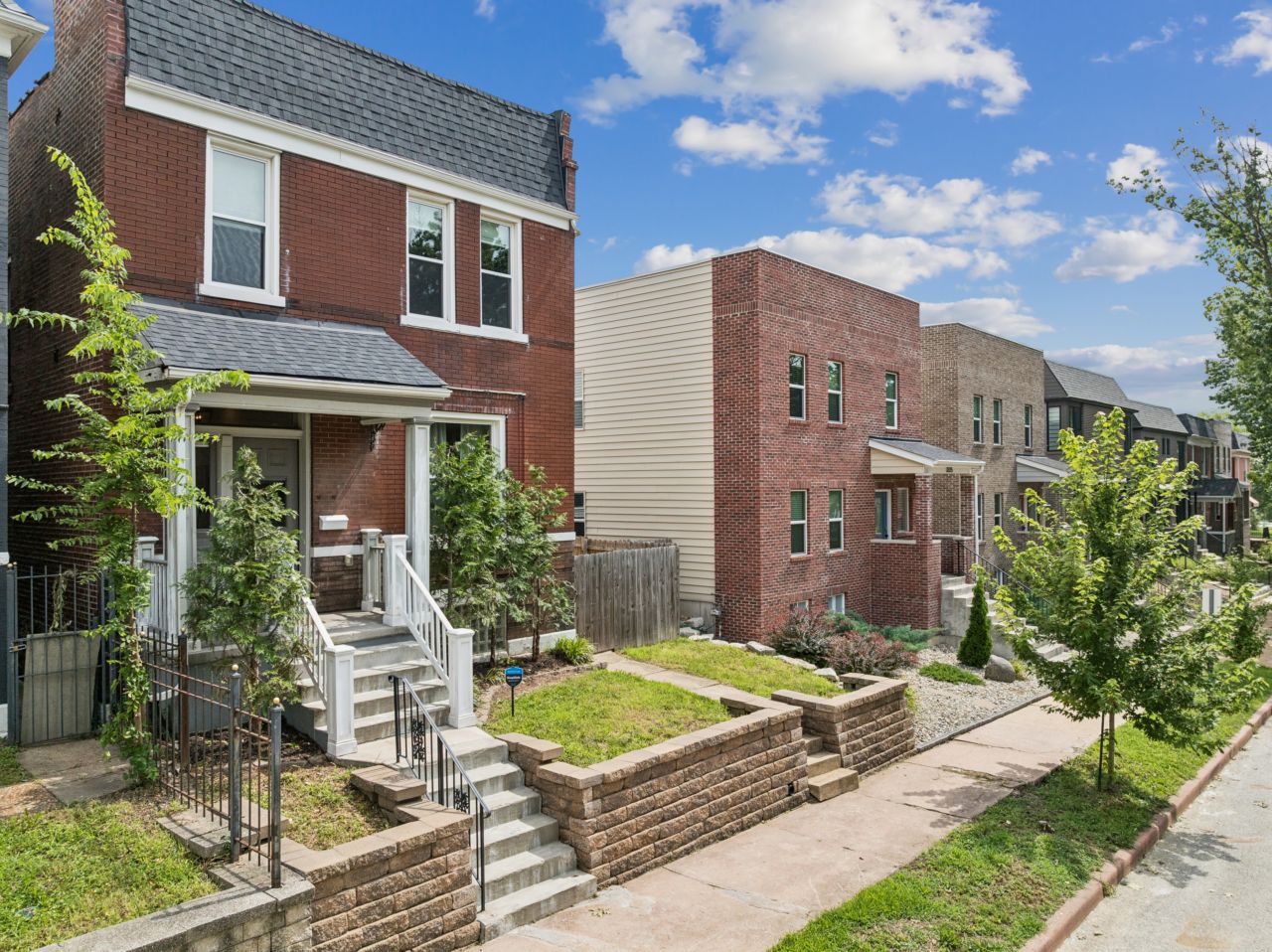
3329 Vista Avenue sits in a neighborhood that has been rewritten, quite literally, more times than almost any other pocket of the city.

We regularly use these same resources to help our clients before, during, and long after closing.
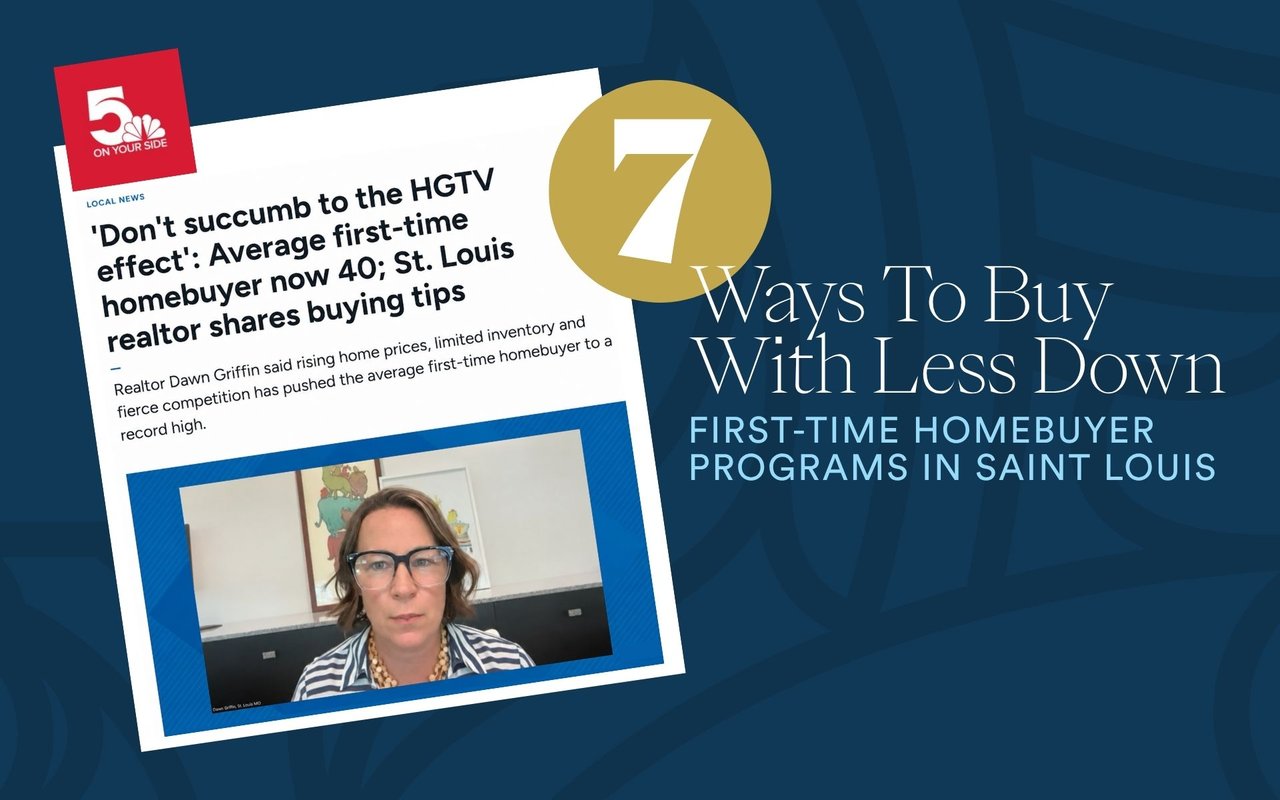
Here are seven of the most popular St. Louis first-time homebuyer programs available.
Partner with a team that values honest advice, strategic guidance, and exceptional service. With decades of experience and over 1,000 successful transactions, we're committed to helping you achieve your real estate goals with confidence.
Planning a move? Thinking about selling? Want to talk real estate?

Dawn Griffin Group
3636 S Geyer Rd Ste #100 St. Louis, MO 63127