

Andrea Durway September 21, 2016
As a buyer or a seller, one of the first things your agent may ask you to do once there is an accepted contract is to select a title company. If you aren’t sure where to start, we’ve outlined some of the basics below.
As soon as a buyer’s earnest money is given to a title company, they will act as the intermediary between all parties to record the necessary legal documents, and ultimately finalize the purchase or sale of a real estate property. They hold the earnest money in escrow until the day of closing, when it will be applied towards the purchase.
The title company makes sure that the title to a piece of real estate is legitimate and then issues title insurance for that property. Title insurance protects the lender and/or owner against lawsuits or claims against the property that result from disputes over the title.
Title is the right to, or ownership of, a specific real estate property. Ownership, and all the rights and duties of each individual that holds the title for a property, is recorded in a legal document that is filed with public records. This document is referred to as the deed.
Before closing can take place on a property, the title or escrow company does an initial search of its title to determine the history of ownership and ensure it is clear of defects, liens, easements, encroachments, or other restrictions on the property.
This varies by state, and in Missouri, it even varies by market. In St. Louis, the buyer usually chooses and indicates their title company selection in the contract when they write the offer. Since TRID (TILA-RESPA Integrated Disclosure) went into effect in 2015, most sellers elect to use the same title company as the buyer.
Senate Bill 833 took effect August 28, 2016. The bill requires that a Closing Protection Letter (CPL) must be issued on all residential transactions where a policy of title insurance is issued and a title agent, agency, or underwriter is handling any funds or documents on behalf of a consumer or lender. A Closing Protection Letter will only be granted if both title companies use the same underwriter. If the two title companies in the transaction do not share an underwriter, then the buyer’s title company has to disperse the proceeds to the seller. The buyer’s title company usually adds fees for same day wiring of funds to the seller or a smaller fee for next day or two day wiring of funds. This makes another strong case for the seller using the same title company as the buyer.
In some cases, a seller may still prefer to use their own title company. For instance, an investor who rehabs many properties and is involved in several closings a year, may want to use the same title company for all transactions. As a seller, if you have a strong case for using a particular title company, make sure you let your listing agent know in advance, so all parties can be aware and there is no delays in closing.
Reputation: You’ll want to work with a company that has a good reputation in the community and has a proven track record of navigating all the ins and outs of your local laws. Your agent will probably have a list of vendors that they frequently work with. This can often be the smoothest path as they have worked with dozens of title companies in your market and will know which ones are reputable and easy to work with.
Experience: Look into the professionalism of the title company, review their website and online presence. Give anyone you are considering working with a phone call and ask a few questions about what the process is like working with them. This will give you a good indication of how the relationship would be moving forward.
Convenience: Believe it or not, if you choose a closing agent with an office on the other side of town it could end up being a huge inconvenience. You may have to visit your closing agent several times before closing. So choosing a title company that is close to home or work could literally save you hours of valuable time.
Fees: The final piece to consider is how much money it will cost you in closing fees. There aren’t standard fees across the industry, so be sure when talking to your closing agents during your phone interview you ask about their fee structure. You’ll also want to be aware of who is expected to pay those fees, the buyer or seller. The expected person changes from state to state, but whoever is paying the fees should be determined well ahead of time.
Title topics can be confusing and with changing regulations, it is important to do due diligence. A good agent will be able to guide you through the general process, but she should have relationships with reputable title agents with the expertise to answer your specific questions or concerns. Contact us if you have more questions about choosing a title company.
Stay up to date on the latest real estate trends.

September 2026 housing numbers and what home buyers and sellers need to know.

Many local butcher shops are longtime neighborhood institutions that still offer something increasingly difficult to find at a supermarket: personal service, specialty… Read more

Recognition
The Dawn Griffin Group is named St. Louis Magazine's Best Real Estate Agent for the third year in a row.

Halfway into the first full season, here are some things I've learned about pool ownership.

Save Big By Finding Dates, Eligible Items and Shopping Limits

New shops and restaurants in downtown Kirkwood and beyond
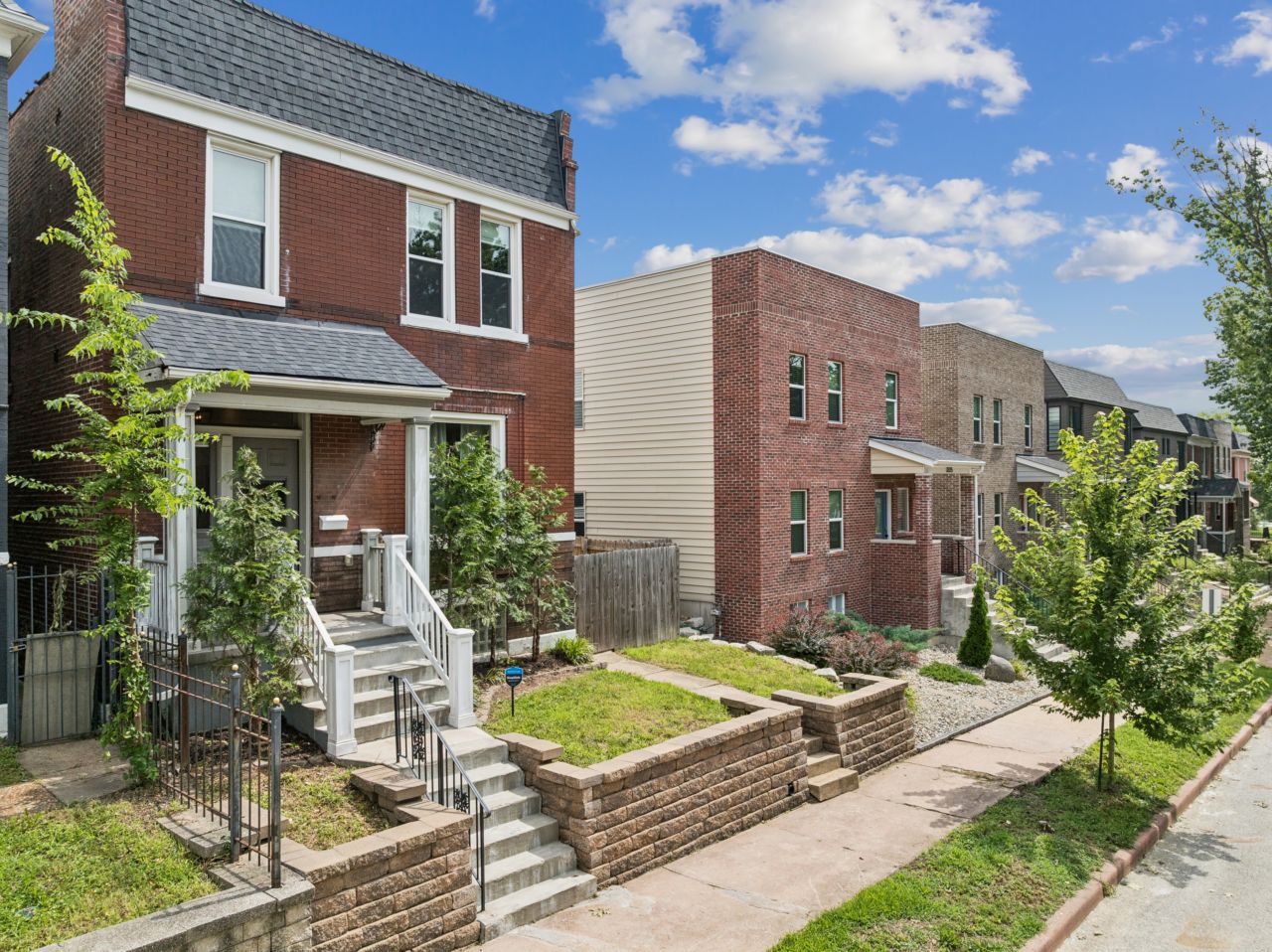
3329 Vista Avenue sits in a neighborhood that has been rewritten, quite literally, more times than almost any other pocket of the city.

We regularly use these same resources to help our clients before, during, and long after closing.
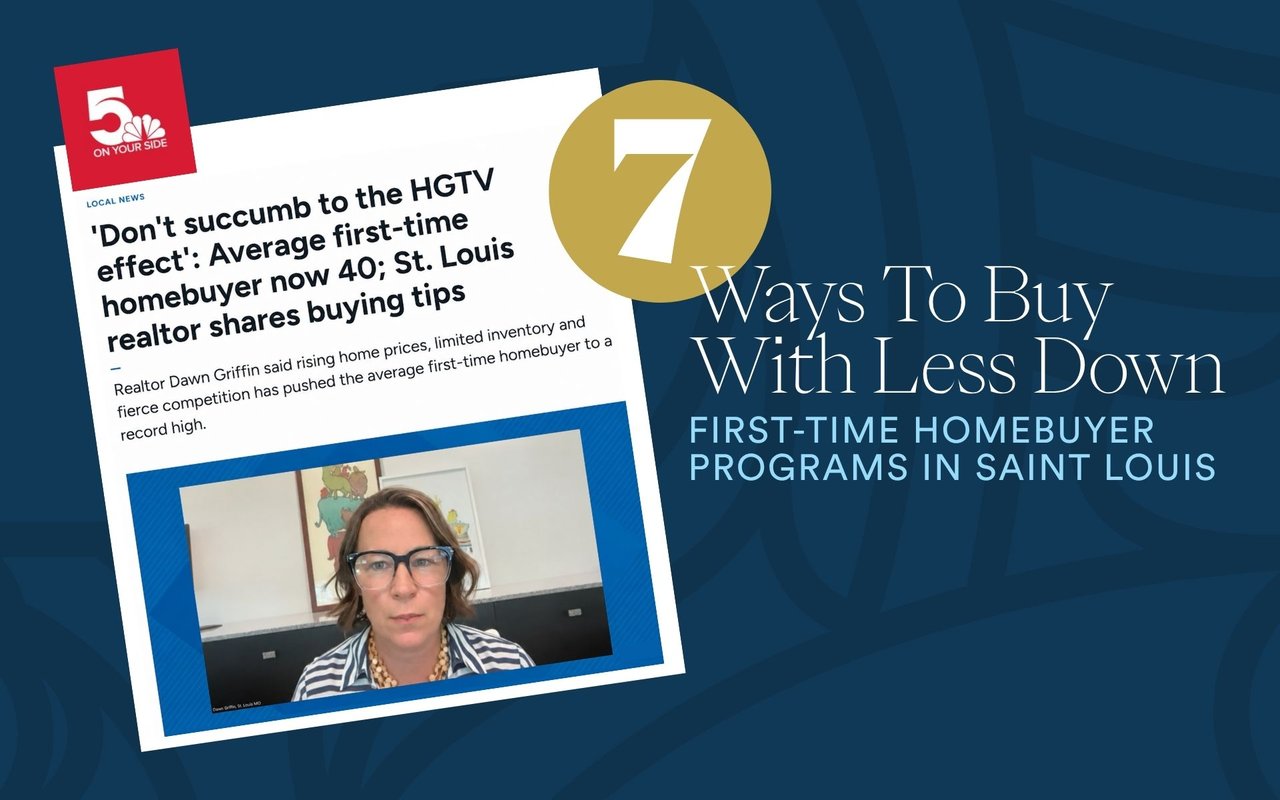
Here are seven of the most popular St. Louis first-time homebuyer programs available.
Partner with a team that values honest advice, strategic guidance, and exceptional service. With decades of experience and over 1,000 successful transactions, we're committed to helping you achieve your real estate goals with confidence.
Planning a move? Thinking about selling? Want to talk real estate?

Dawn Griffin Group
3636 S Geyer Rd Ste #100 St. Louis, MO 63127